


How to Estimate Construction Site Costs
6min read
|
May 20, 2026
Construction cost estimating usually looks simple from the outside. Add up materials, calculate labor, rent some equipment, and you should have a project budget.
Real projects are rarely that clean.
A construction site is full of moving parts: changing material prices, weather delays, labor inefficiency, delivery problems, equipment downtime, and site conditions that never looked serious on the drawings. That’s why professional estimators don’t just “calculate costs.” They try to predict how the project will actually behave once work begins.
The good news is that most contractors still follow a fairly repeatable process when building an estimate.
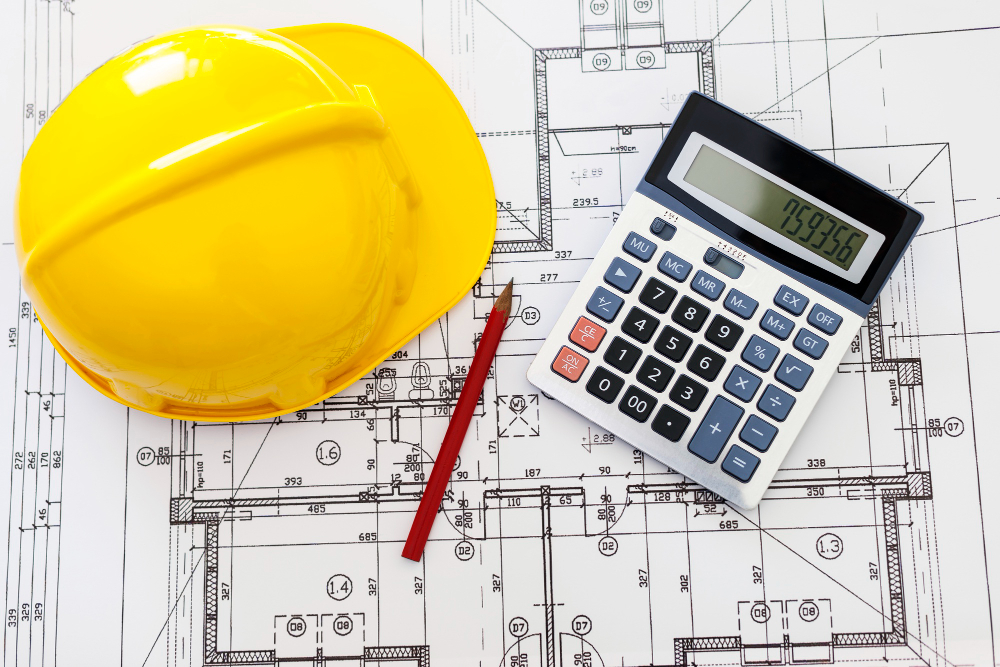
Step 1: Review the Drawings and Scope of Work
Before estimating anything, you need to understand exactly what is being built.
That sounds obvious, but many estimating mistakes happen because someone priced the project too early without fully reviewing the plans.
Most estimators start by going through:
- architectural drawings
- structural plans
- specifications
- schedules
- engineering details
- bid documents
At this stage, you’re not really trying to calculate numbers yet. You’re trying to identify complexity.
A project with exposed concrete finishes behaves differently from one with basic finishes. A tight completion deadline may require overtime labor. A building with difficult MEP coordination may create installation delays later.
Small details hidden in the documents often become major costs during construction.
Step 2: Visit the Construction Site
This is where real-world estimating begins.
Drawings can tell you dimensions, but they usually don’t tell you how difficult the site actually is to build on.
During a site visit, estimators typically look for things like:
- soil conditions
- slope and elevation
- drainage issues
- truck access
- nearby structures
- staging space
- utility availability
These conditions directly affect productivity.
For example, a steep or crowded site may slow down excavation, material handling, and equipment movement. Limited access can turn simple deliveries into scheduling problems. Poor drainage may require temporary dewatering systems before work can even start.
A project that looks profitable on paper can become expensive very quickly if site conditions are underestimated.
Step 3: Break the Project Into Work Categories
Once the project conditions are understood, the estimate gets divided into sections.
This makes the job easier to organize and helps reduce missed costs.
Typical categories include:
- site preparation
- foundations
- structural framing
- roofing
- electrical
- plumbing
- HVAC
- finishes
- exterior work
Different categories carry different types of risk.
Structural work is often more predictable because quantities are clearer. Finishes can become unpredictable because material selections, installation methods, and waste rates change easily. Mechanical systems usually depend heavily on subcontractor coordination and supplier pricing.
Breaking the estimate into phases makes it easier to understand where the project budget is actually going.
Step 4: Perform a Quantity Takeoff
This is where construction estimating becomes much more technical.
Before pricing materials, estimators first need to figure out how much material the project actually requires. And on real projects, this step is usually harder than applying unit prices afterward.
Concrete is a good example.
At first glance, calculating concrete volume looks simple:
Volume=Length×Width×Height
But actual construction takeoffs quickly become more complicated once foundations, footings, columns, beams, slopes, openings, and waste allowances are involved.
Even small quantity errors can become expensive. Underestimating concrete doesn’t just affect material orders — it can also affect:
- pump scheduling
- delivery coordination
- labor hours
- equipment duration
And concrete is only one material. Estimators also calculate:
- drywall by wall area
- flooring by square footage
- roofing by roof pitch and surface area
- paint by coverage rate
- rebar by structural drawings
- excavation by soil volume
This is why quantity takeoff is often the most time-consuming part of construction estimating.
Many contractors now use digital takeoff software for this process, but calculators are still commonly used for quick preliminary estimates. For example, if you're estimating slabs, footings, or foundations, you can use the InvoiceZip Concrete Calculator to quickly estimate concrete volume before finalizing material costs.
Step 5: Calculate Material Costs
Once quantities are finalized, materials can finally be priced.
The basic formula looks simple:
Material Cost=Quantity×Unit Price
But real construction pricing is rarely straightforward.
Material prices change constantly, especially for:
- steel
- lumber
- concrete
- fuel-related products
Estimators also need to include:
- delivery costs
- taxes
- storage
- waste allowances
Waste is one of the most commonly underestimated costs in construction. Materials rarely get installed with perfect efficiency. Tiles break, lumber gets trimmed, finishes get damaged, and concrete gets wasted during pours.
Experienced contractors build those realities into the estimate instead of pretending they won’t happen.
Step 6: Estimate Labor Costs
Labor is usually one of the biggest variables in construction estimating. You can calculate your labor cost based on the number of workers, hours, and hourly rate.
Most beginners assume workers operate at full productivity every day. Real projects don’t work that way.
Weather delays, coordination problems, inspections, material shortages, and equipment downtime all affect labor efficiency.
A basic labor formula may look like this:
Labor Cost=Workers×Hours×Hourly Rate
But the real challenge is estimating productivity accurately.
A crew may appear efficient on paper but lose hours every day waiting for deliveries, moving materials, or working around other trades. Renovation projects are especially difficult because hidden conditions often slow work down unexpectedly.
This is why experienced contractors rely heavily on historical project data when estimating labor.
Step 7: Add Equipment Costs
Construction equipment can become surprisingly expensive over time.
Common equipment costs include:
- excavators
- cranes
- scaffolding
- concrete pumps
- generators
- loaders
A simple equipment calculation may look like:
Equipment Cost=Rental Rate×Duration
But equipment costs go beyond rental fees. Estimators also consider:
- fuel
- operators
- transportation
- maintenance
- idle time
A crane sitting unused on-site still costs money every day.
Step 8: Include Indirect Costs and Site Overhead
Not all construction costs are tied directly to physical work.
Projects also require temporary infrastructure and operational support.
That includes:
- site offices
- portable toilets
- temporary fencing
- internet
- security
- temporary utilities
- supervision
- safety equipment
These indirect costs often look small individually, but together they can become a major part of the project budget — especially on longer jobs.
Smaller contractors frequently underestimate overhead because they focus too heavily on direct construction work.
Step 9: Add Contingency
Unexpected problems are normal in construction.
Material prices change. Weather affects schedules. Clients revise finishes. Hidden utilities appear underground. Deliveries get delayed.
That’s why professional estimates include contingency.
A common formula is:
Contingency=Subtotal×Contingency Rate
Typical contingency ranges are:
- 5–10% for simpler projects
- 10–20% for more complex projects
Without contingency, even small disruptions can quickly damage profitability.
Step 10: Finalize the Estimate and Add Profit
Once all direct and indirect costs are included, the final step is adding the profit margin.
A simplified formula looks like this:
Final Bid=Total Cost + Profit Margin
Before submitting the estimate, experienced contractors usually review:
- quantity accuracy
- supplier quotes
- subcontractor pricing
- exclusions
- assumptions
- scheduling risks
Because construction estimating is never just about math.
It’s about predicting reality as accurately as possible before the project even starts.
Most Popular Pages



Try Invoice Zip Today
Start Sending Invoices, Building Reports, Saving Office
Time and Get Paid Faster.