

How to Deal with Clients Who Always Pay Late
4min read
|
Jun 26, 2026
Late payments are a common cash flow challenge for businesses around the world.
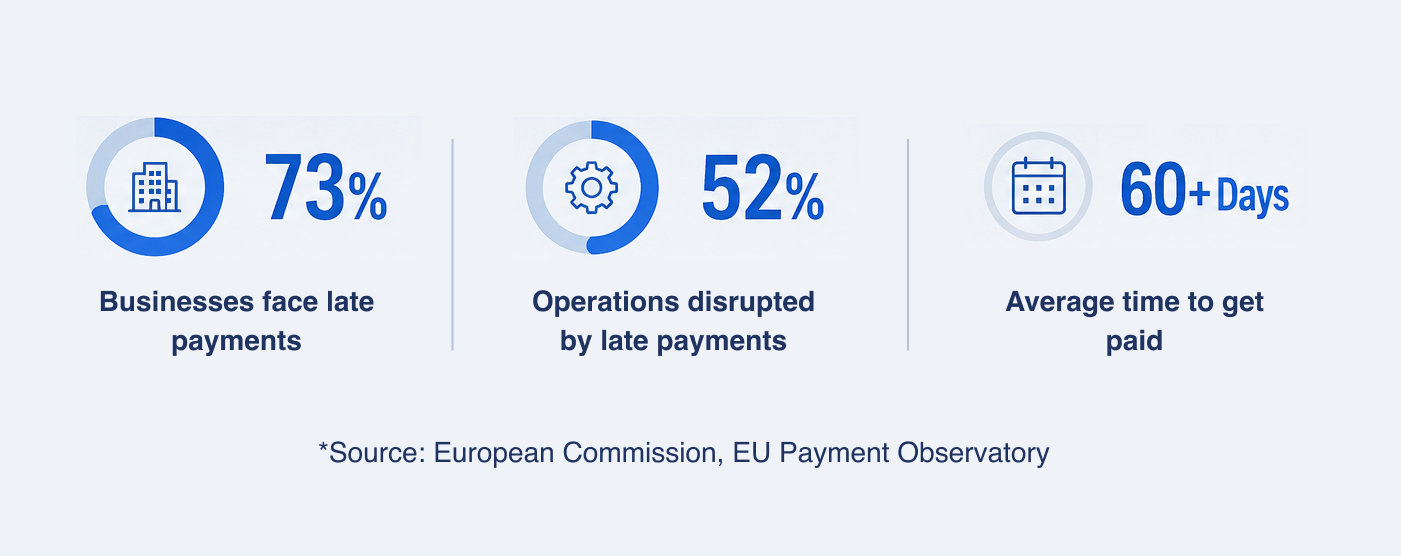
According to the European Commission’s EU Payment Observatory, 73% of businesses report experiencing late payments, and 52% say these delays directly harm their operations. In many B2B and public-sector transactions, average payment periods exceed 60 days, meaning businesses often wait months to get paid after delivering services. These delays put continuous pressure on cash flow, especially for small businesses with limited financial buffers.
When invoices go unpaid, expenses such as payroll, supplier payments, and operating costs continue to add up. Many business respond by manually chasing payments, but delays are often caused by weak payment processes rather than difficult clients.
By setting clear payment expectations, reducing payment friction, and automating follow-ups, businesses can get paid faster with less collection effort.
Why Late Payments Hurt Small Businesses
Many small business owners view late payments as a normal part of doing business. As long as the customer eventually pays, a delayed invoice may seem like a minor inconvenience.
In reality, late payments can create significant cash flow pressure and do more than simply delay revenue—they consume valuable time and resources. Research commissioned by the UK Department for Business and Trade found that businesses affected by late payments spend an average of 86 hours per year chasing overdue invoices. The same research estimates that late payments cost the UK economy nearly £11 billion annually and contribute to the closure of approximately 14,000 businesses each year. These findings show that the impact of late payments extends beyond cash flow, creating administrative burdens that can limit growth and strain day-to-day operations.
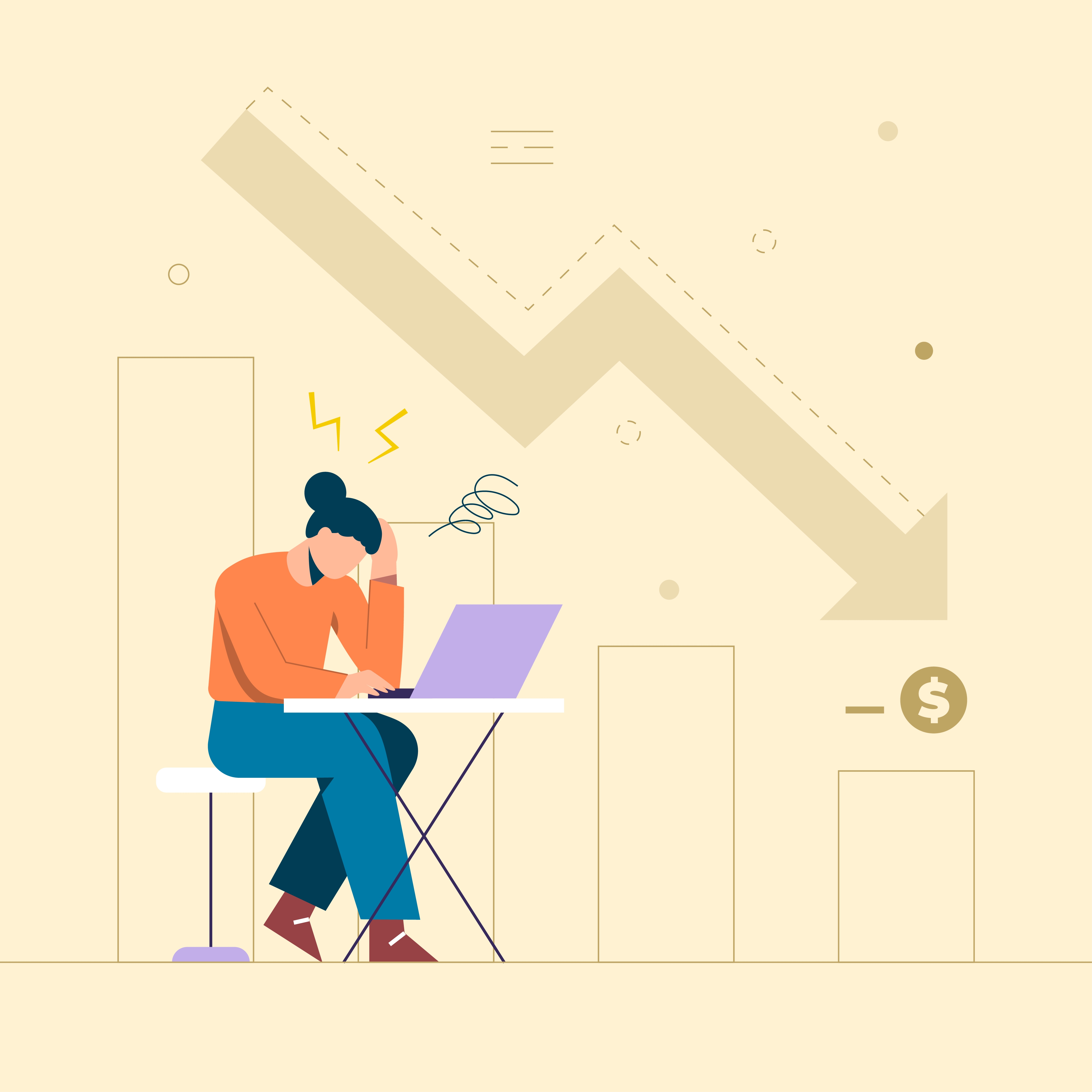
The issue isn't whether customers pay, but whether they pay on time. When payments arrive later than expected, cash flow becomes less predictable, making it harder to cover expenses and maintain financial stability. For many small businesses, late payments are not simply an invoicing issue—they are a cash flow issue.
Why Clients Pay Late
Many business owners assume that late payments are caused by difficult clients. In reality, payment delays often result from weaknesses in the billing and payment process. When expectations are unclear, approvals are delayed, or paying is inconvenient, invoices are more likely to become overdue.
Unclear Payment Expectations
- Payment methods were never agreed upon in advance
- Payment due dates were not clearly communicated
Invoice Approval Delays
- Incomplete invoice information requires additional clarification
- Invoices are sent to the wrong contact or department
Payment Friction
- The payment process is lengthy or complicated
- Limited payment options make payment less convenient
Prevent Late Payments Before They Happen
Because late payments can create cash flow pressure even when customers eventually pay, businesses should focus on prevention rather than follow-up.
Set Clear Expectations Early
Set Clear Payment Terms
Common examples include:
- Net 7
- Net 15
- Net 30
Collect Deposits
- Agree on payment expectations before work begins
- Collect 30%-50% upfront when appropriate
Invoice immediately
- Send invoices as soon as work is completed
- Avoid waiting days or weeks to bill clients
- Clear payment expectations make on-time payment more likely and reduce the need for future collection efforts.
Use Automated Payment Reminders
Many clients don't need pressure to pay——they simply need timely reminders.
A simple reminder schedule can help keep invoices visible throughout the payment cycle:
- Before the due date
- On the due date
- 3 days overdue
- 7 days overdue
Instead of manually monitoring every invoice, businesses can use reminder alerts to know exactly when a follow-up is needed. Invoice Zip notifies users when invoices are approaching or past their due dates, making it easier to reach out to clients at the right time and keep receivables on track.
The result is:
- More timely follow-ups
- Better visibility into outstanding invoices
- Fewer overdue payments slipping through the cracks
Make Paying Easy
Payment speed is strongly influenced by how easy it is for customers to pay. Federal Reserve data shows that checks are still widely used, with 80% of employer firms accepting them and 95% among invoice-based businesses, while cards (74%) and ACH (56%) are also common, reflecting a mixed-payment environment.
By offering multiple payment options and removing unnecessary steps from the payment process, businesses can reduce friction and make it easier for customers to pay promptly.
Conclusion
In conclusion, late-paying clients are often a symptom of weak payment systems.
Reducing late payments starts with clear payment expectations, less payment friction, and consistent follow-ups. By taking a proactive approach, businesses can improve cash flow amd spend less time chasing overdue invoices.
The goal is simple: help payments arrive on time in the first place — and when an invoice still goes unpaid, our guide on how to follow up on unpaid invoices covers what to do next.
Most Popular Pages
Try Invoice Zip Today
Start Sending Invoices, Building Reports, Saving Office
Time and Get Paid Faster.