


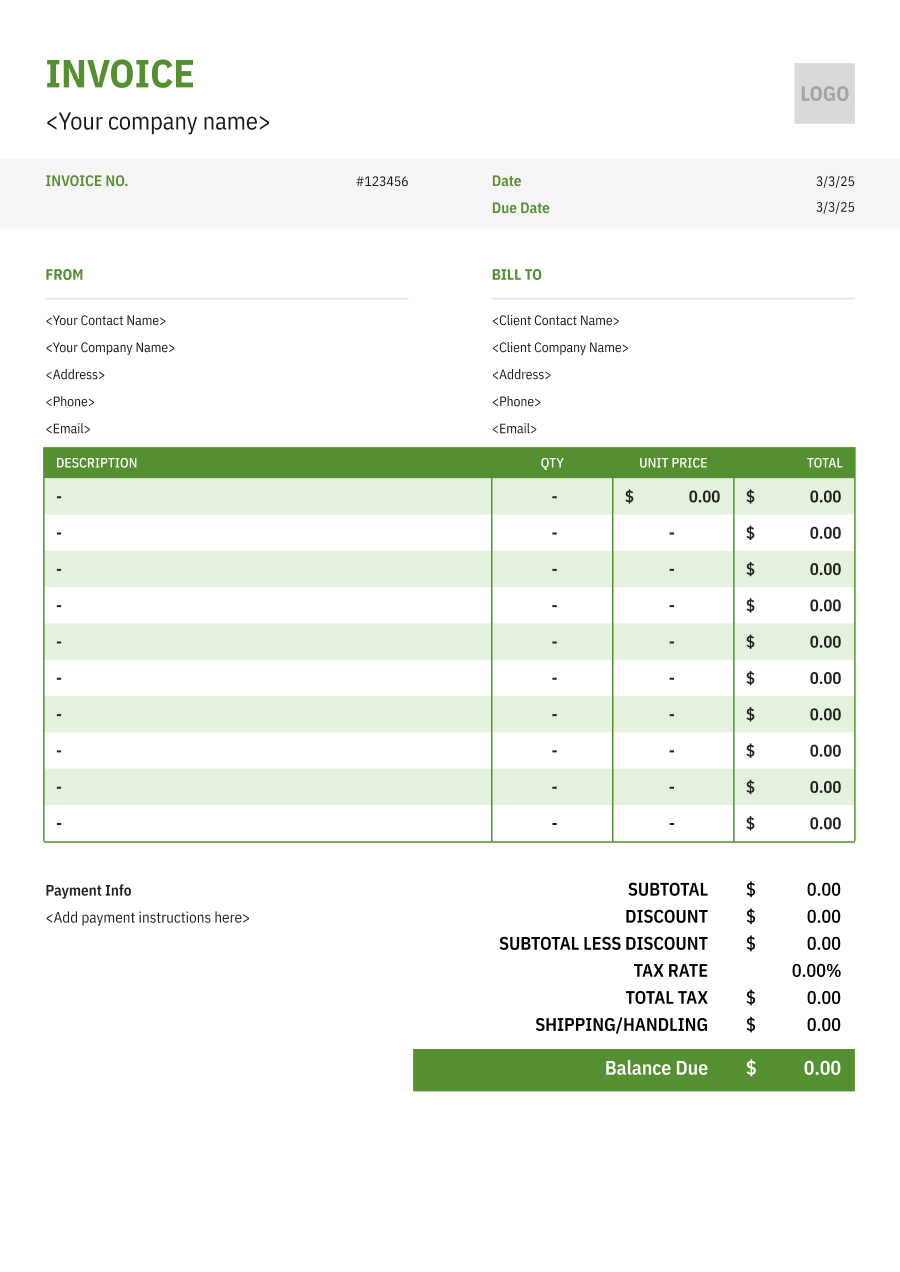
Commission Invoice Template
Create a professional commission invoice with editable invoice templates for sales commissions, referral fees, performance-based earnings, and related charges.
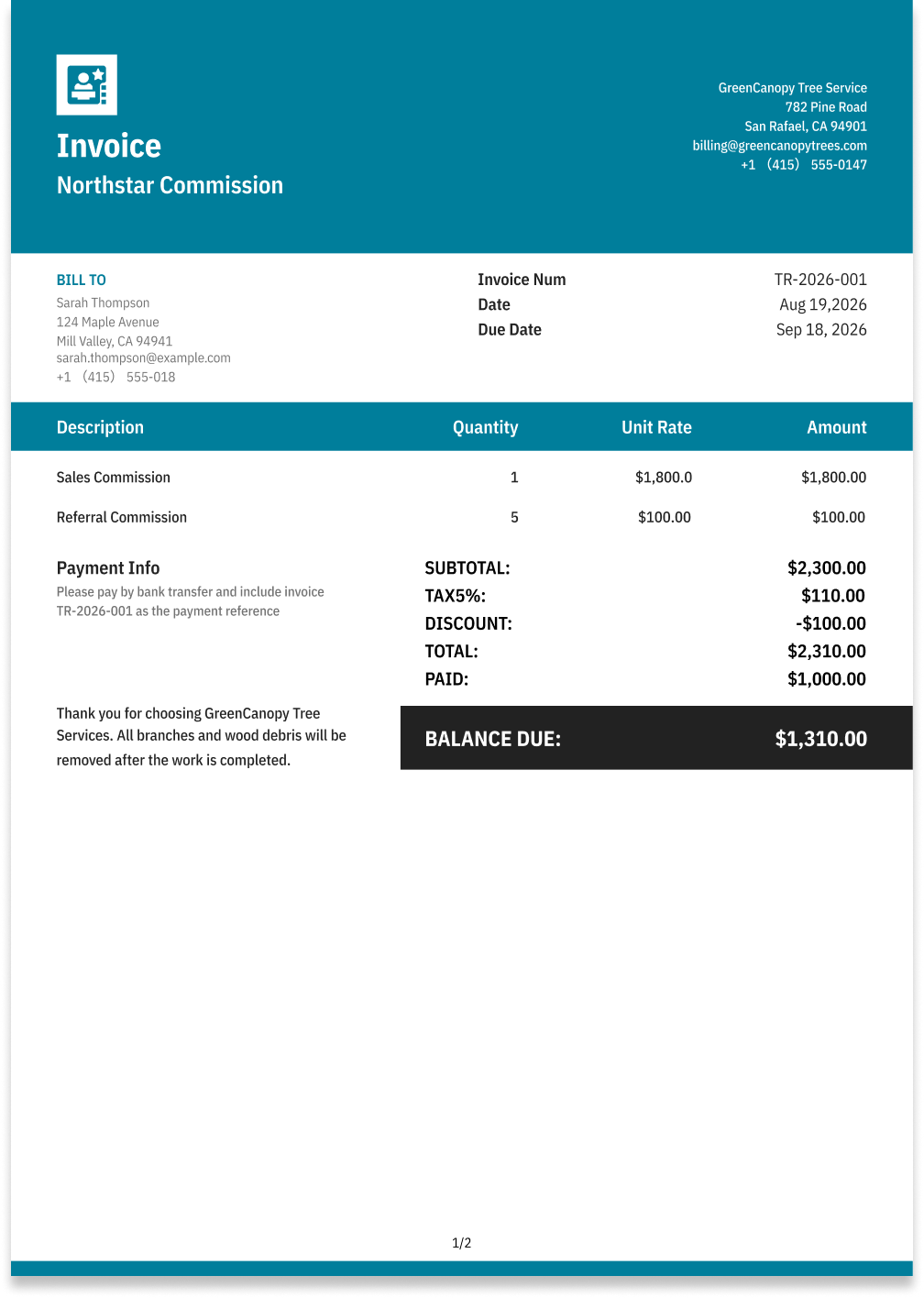
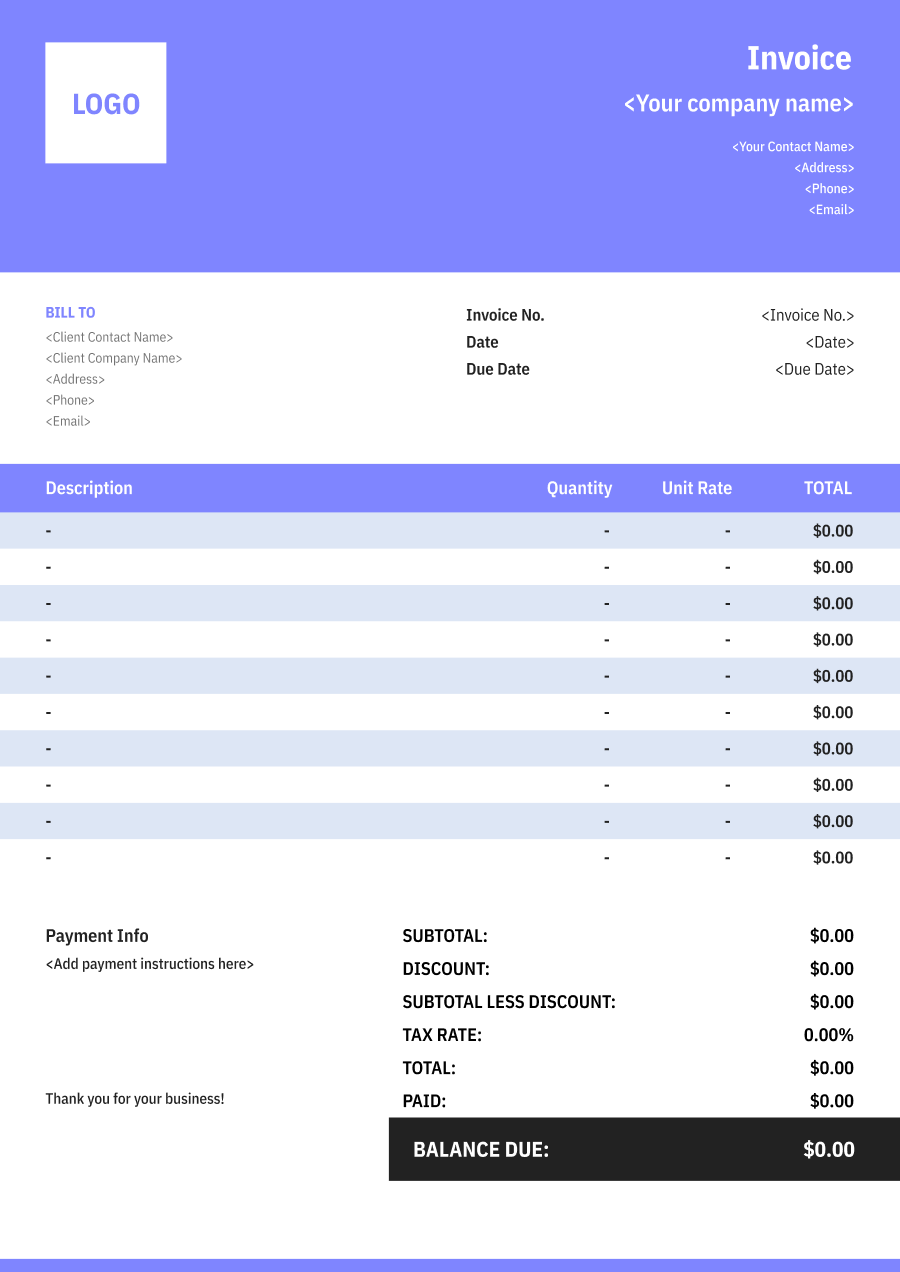
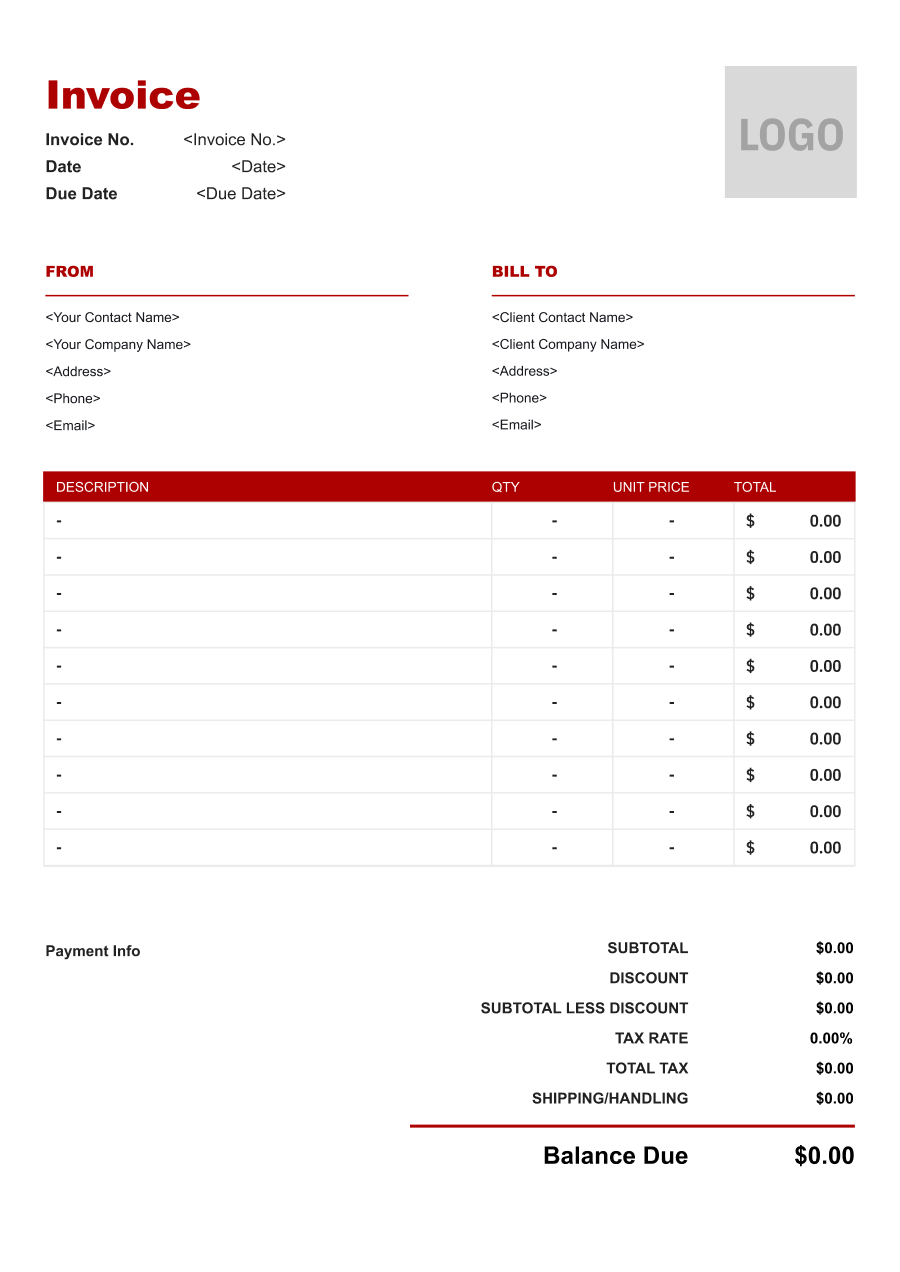
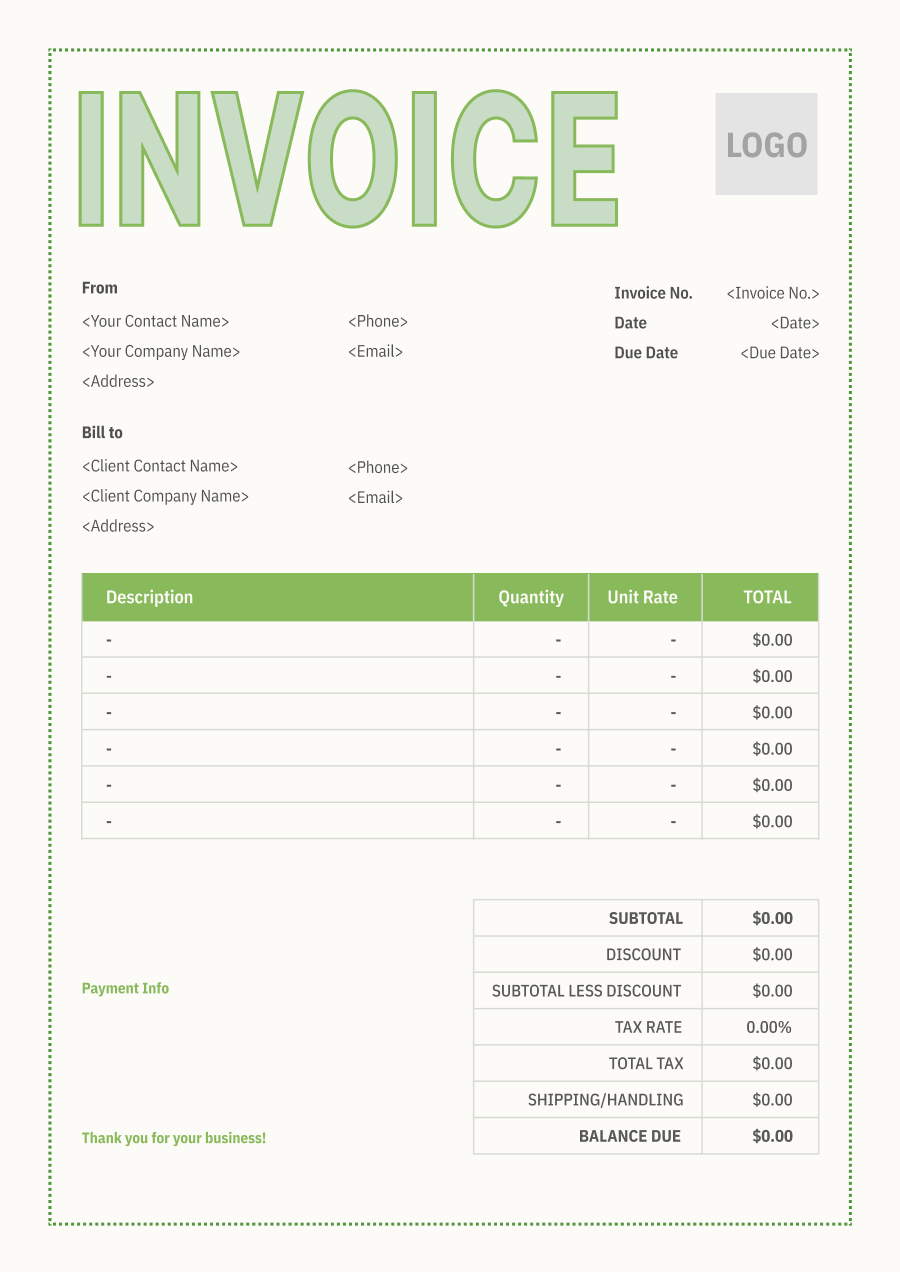
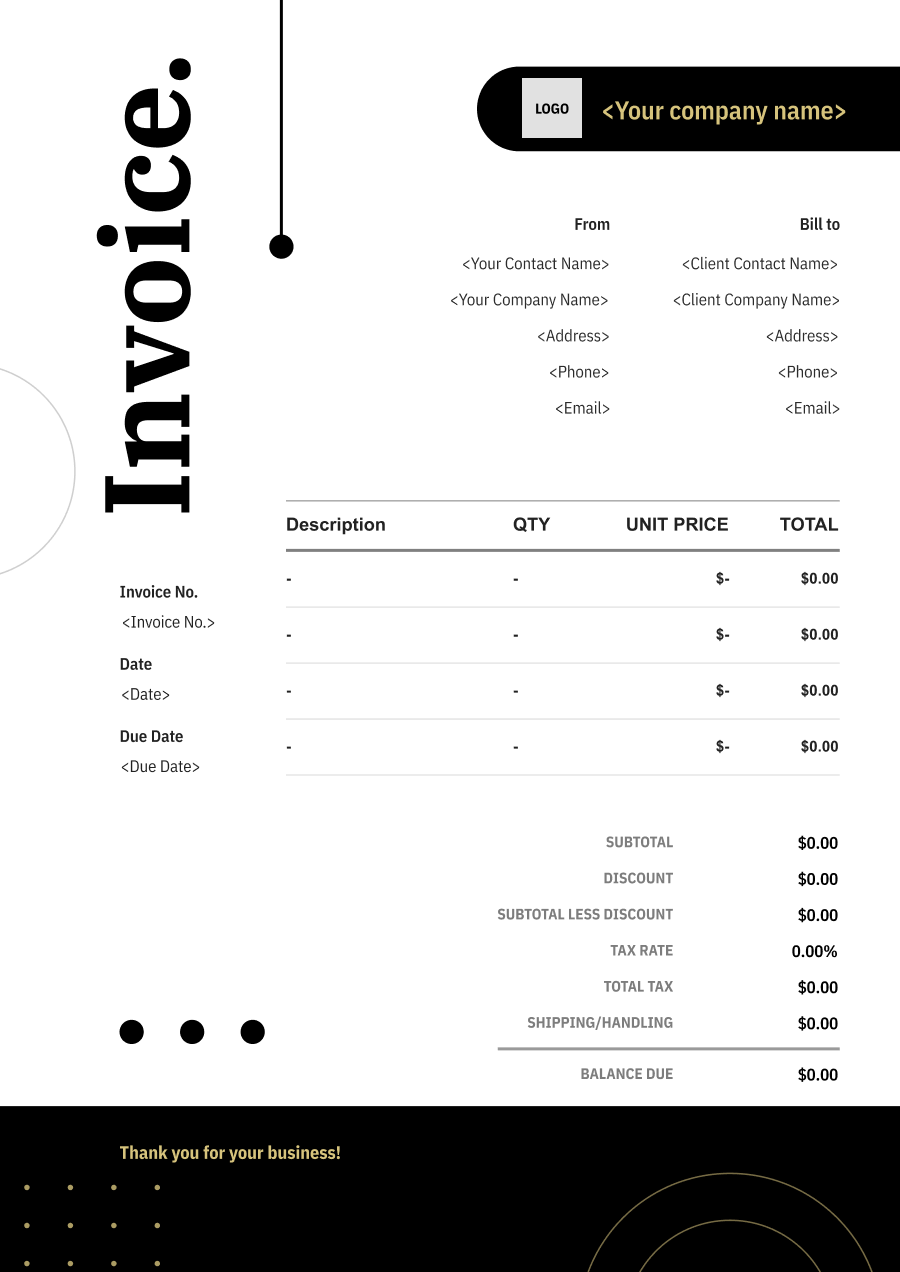
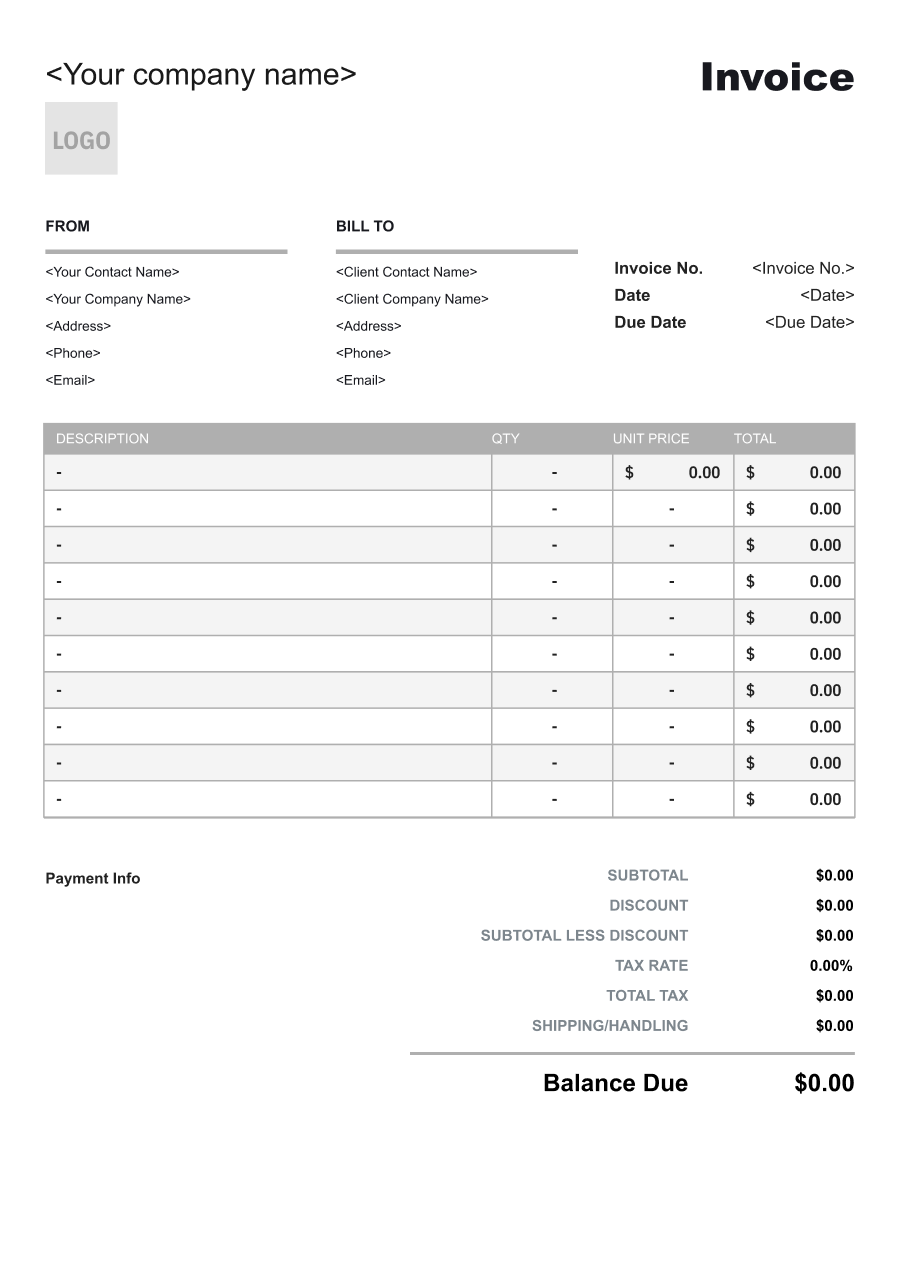
Choose the Best Invoice Template for Your Commission Business


Create A Professional
Commission Invoice in Minutes
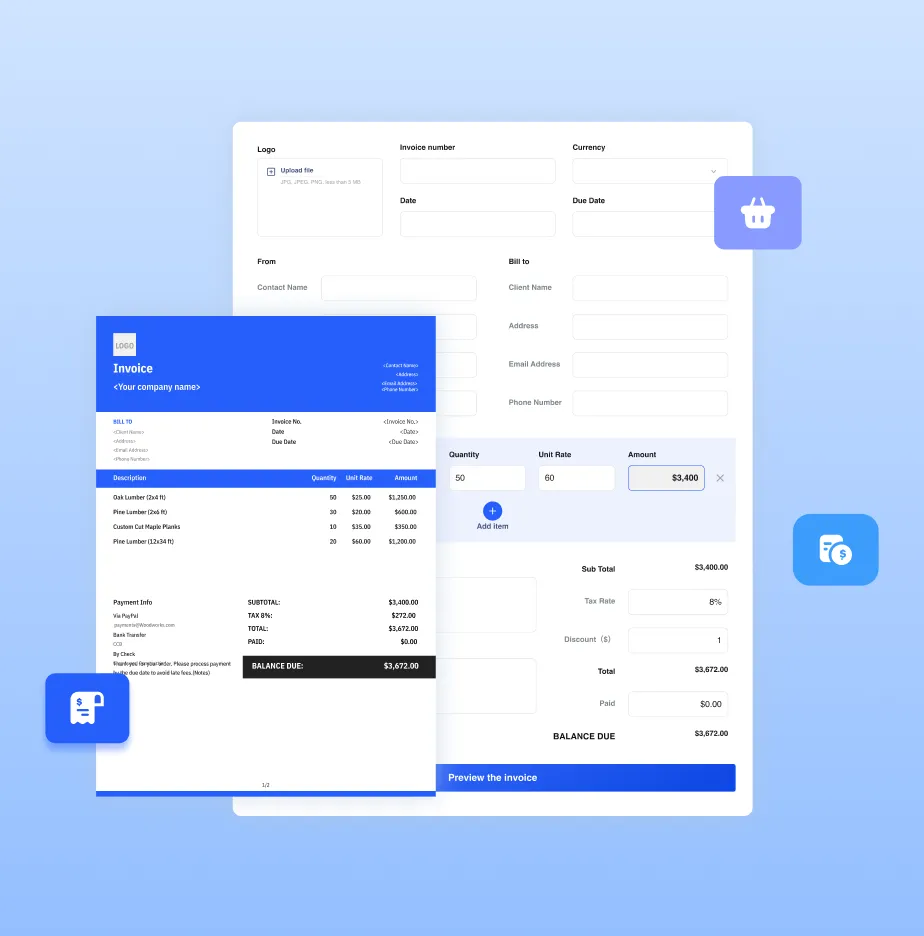
Add your commission business and client details, itemize the products or services provided, and generate a professional invoice when you are ready.
1
Invoice details
Set the document identity, dates and currency.
Logo

Upload file
JPG, JPEG, PNG, less than 5 MB
Invoice number
Currency
USD
Issue date
Due date
2
Business & client
Add the details your client needs to identify both parties
From
Company Name
Contact name
Address
Email Address
Phone Number
Bill To
Client name
Address
Email Address
Phone Number
3
Products & services
Itemize what you’re charging for. Totals update automatically.
4
Totals & payment
Apply adjustments and tell your client how to pay.
Payment instructions
Notes
Sub Total
$0.00
Tax Rate
%
Discount
$
Total
$0.00
Amount paid
$
Balance Due
$0.00
What to include in Commission Invoice
A clear commission invoice helps prevent disputes and ensures timely payment. Use this checklist to include the essential details.
- 1
Business Header & Contact
Company name, logo, phone number, email address, and physical business location.
- 2
Client Contact Information
Client's full name or business entity name, billing address, phone number, and email.
- 3
Invoice Metadata
Unique invoice number, invoice issue date, and payment due date (e.g., Net 15 / Due upon receipt).
- 4
Cost Summary & Taxes
Subtotal for services, local sales taxes (if applicable), applied discounts, and final bolded Total Due.
- 5
Deposit & Balance Tracking
Original estimate total, pre-paid deposit deductions (e.g., 'Less Deposit Received: -$500'), and remaining net balance due.
- 6
Payment Instructions
Accepted payment methods, including direct online payment links (Credit/ACH), check mailing address, or bank transfer details.
- 7
Commission Source & Transaction
Identify the sale, contract, account, referral, or transaction that generated the commission. Include the transaction date, customer or account reference, and other identifiers needed to verify the underlying activity.
- 8
Commission Rate & Calculation Basis
State the applicable commission rate or fixed commission amount and the base used to calculate it, such as gross sales, net sales, collected revenue, or another agreed measure.
- 9
Eligible Sales & Adjustments
Show the sales or transactions included in the calculation and account for returns, cancellations, discounts, refunds, chargebacks, or other adjustments that affect the commissionable amount.
- 10
Commission Period & Payment Schedule
Clearly state the period covered by the invoice and the agreed commission payment schedule. This is particularly important for recurring sales commissions or commissions calculated after customer payments are received.
Common Commission Services & Billing Items
How Commission charges are typically structured and billed.
Common Services
What's Included
Billing Items
Sales Commission
Transaction or sale amount, Commission rate, Transaction date, and Service date
Commission FeesTransaction Amount
Referral Commission
Transaction or sale amount, Commission rate, Administrative service, Date or period, and Service date
Commission FeesAdministrative Fees
Real Estate Commission
Transaction date, Transaction or sale amount, Administrative service, Date or period, and Service date
Transaction AmountAdministrative Fees
Affiliate Commission
Transaction or sale amount, Commission rate, Transaction date, Adjustment reason, Related charge, and Service date
Commission FeesTransaction AmountAdjustments
Performance Commission
Transaction date, Transaction or sale amount, Adjustment reason, Related charge, and Event date and location
Transaction AmountAdjustments
Commission Reconciliation
Transaction or sale amount, Commission rate, Administrative service, Date or period, Adjustment reason, and Related charge
Commission FeesAdministrative FeesAdjustments
Bonus Commission
Transaction or sale amount, Commission rate, Transaction date, Administrative service, Date or period, and Service date
Commission FeesTransaction AmountAdministrative Fees
Commission Fees: Compensation earned for sales, referrals, placements, or other commission-generating transactions.
Transaction Amount: The sale, policy, contract, or transaction value used to calculate a commission.
Administrative Fees: Charges for reports, notices, accounting, paperwork, or management administration.
Adjustments: Credits, reversals, corrections, or other changes to the calculated commission.
Commission Invoicing Tips
Commission costs vary by service scope, pricing method, and additional requirements. A detailed invoice helps customers understand every charge and reduces payment disputes.
1
Show the Commission Calculation
Commission invoices can be difficult to verify when they only show a final amount. Best practice: show the commissionable base, rate, adjustments, and resulting commission so the payer can reproduce the calculation.
2
Separate Current Commissions from Prior Adjustments
Returns or chargebacks may affect commissions earned in a previous period. Best practice: identify prior-period adjustments separately from current commissions so the invoice does not appear to contain an unexplained reduction.
3
Match Commissions to Source Transactions
When commissions come from many sales, include transaction IDs, order numbers, customer references, or another traceable identifier. This makes reconciliation easier and reduces disputes over which transactions qualify.
4
State When Commission Becomes Payable
Commission agreements may make payment dependent on a sale closing, invoice being paid, or another event. Best practice: state the applicable earning or payment basis on the invoice and align it with the underlying commission agreement.


Reusable Billing Structure in Invoice Software
Use the items above to quickly create a Commission Invoice Template in Invoice Zip.
FAQs about Commission Invoicing
Q: How should a sales professional calculate commission on completed transactions?
A: The invoice can identify the sales amount, applicable commission rate, and resulting commission. If different products or contracts use different rates, each commission category can be calculated separately.
Q: How should a commission invoice handle returns, cancellations, or refunded sales?
A: Adjustments can be shown as deductions from the commissionable sales amount or as a separate negative line item. This creates a clear connection between the original commission and the transaction that was later reversed.
Q: How should commission payments be invoiced when they cover several customer sales?
A: The invoice can summarize the commission period and list the underlying sales or group them by account, product, or transaction date. A supporting sales report can be referenced when there are many transactions.
Q: How should different commission rates be shown on the same invoice?
A: Separate sales categories should be listed with their corresponding commission rates and amounts. This is useful when a salesperson earns different percentages for different products, customers, or sales thresholds.
Q: How should a commission invoice show an advance or draw against future commissions?
A: The advance or draw should be shown as a credit or amount already paid, with the earned commission calculated separately. The final balance then shows what remains payable after applying the advance.
Other Free Resources

Try Invoice Zip Today
Start Sending Invoices, Building Reports, Saving Office
Time and Get Paid Faster.