

What Is Billable Expense Income
6min read
|
Sep 11, 2026
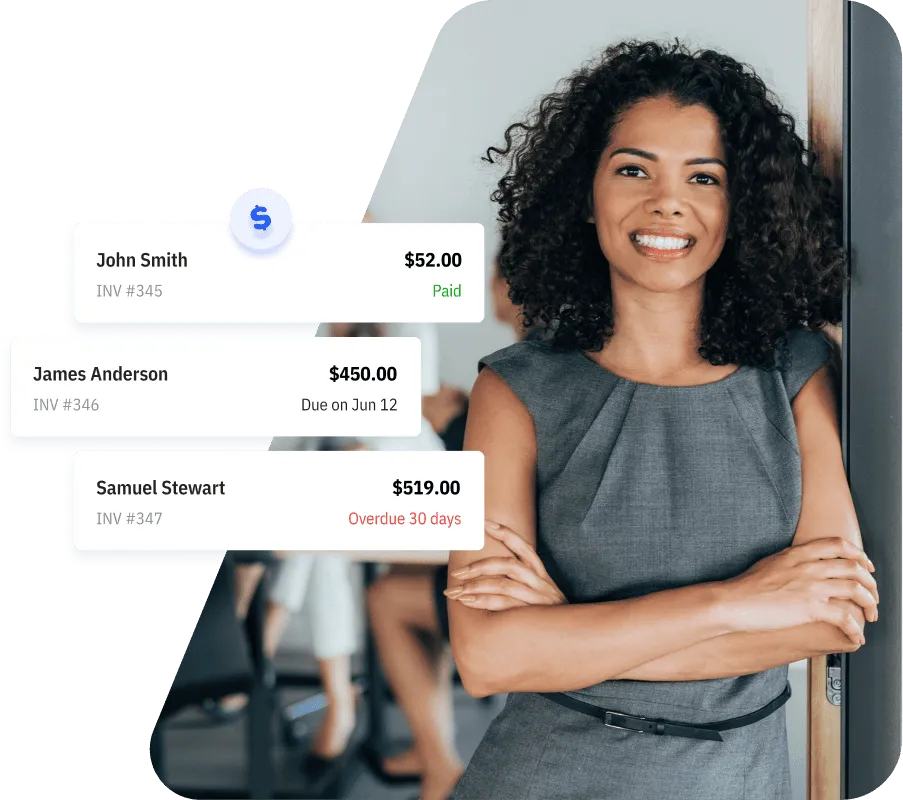
Billable expense income is the amount a business charges or collects from a customer for an expense that was incurred on the customer's behalf and marked as billable.
For example, a contractor may purchase $200 of materials for a customer's project and then add that $200 expense to the customer's invoice. The original $200 is a business expense, while the amount charged to the customer can be recorded as billable expense income.
Billable expenses are common for contractors, consultants, freelancers, agencies, and other service businesses that sometimes pay for customer-related costs before billing the customer.
Understanding the difference between the original expense and the amount charged to the customer can help you create accurate invoices and maintain clearer financial records.
How Does Billable Expense Income Work?
Billable expense income generally occurs through a simple process:
- The business pays or incurs an expense related to a customer.
- The business identifies the expense as billable.
- The expense is added to the customer's invoice.
- The customer pays the invoice.
- The amount collected is recorded as income according to the business's accounting method and setup.
For example, suppose a consultant pays $150 for a software license required specifically for a customer's project.
The consultant may record:
$150 → Original business expense
The consultant then adds the expense to the customer's invoice:
$150 → Amount billed to customer
When the customer pays, the amount received may be recorded as billable expense income.
The expense and the income represent different sides of the transaction. The business incurred the original cost, while the customer payment represents the amount the business receives for that billable cost.
If the business adds a markup, the amounts may be different.
For example:
- Original expense: $100
- Markup: $20
- Amount billed to customer: $120
In this case, the business incurred a $100 expense but charged the customer $120. The accounting treatment of the expense, income, and markup depends on how the business records the transaction and its accounting practices.
Billable Expense vs. Regular Business Expense
Not every business expense is billable to a customer.
A billable expense is a cost that the business is allowed to charge to a customer under the terms of the project or agreement.
A regular business expense is a cost the business incurs as part of operating the business but does not normally pass on to a specific customer.
| Expense Type | Customer Reimburses Business | May Appear on Customer Invoice |
|---|---|---|
| Billable expense | Yes, according to the agreement | Yes |
| Regular business expense | Usually not | Usually not |
For example, a contractor may purchase $500 of lumber specifically for a customer's project. If the agreement allows materials to be billed separately, the lumber can be treated as a billable expense.
On the other hand, the contractor's general office rent is normally a business operating expense rather than a customer-specific billable expense.
Whether an expense is billable depends on the agreement with the customer and the nature of the expense. Businesses should not assume that every cost they incur can be passed on to customers.
Billable Expense vs. Billable Expense Income
A billable expense and billable expense income are related, but they are not the same thing.
Billable expense refers to the cost the business incurs on behalf of the customer.
Billable expense income refers to the amount the business charges or collects from the customer for that billable expense.
For example:
Step 1: Business pays for materials
The business purchases $300 of materials for a customer's project.
$300 = Billable expense
Step 2: Business invoices the customer
The business adds the $300 material cost to the customer's invoice.
$300 = Amount charged to customer
Step 3: Customer pays
The customer pays the invoice.
The amount received is associated with the billable expense income.
If the business charges a markup, the customer may be billed more than the original expense. For example, a $300 expense with a $60 markup results in a $360 customer charge.
The original expense and the amount charged should still be understood as separate accounting concepts.
How to Record Billable Expenses on an Invoice
When you pass a billable expense on to a customer, the invoice should make the charge clear.
A billable expense line can include:
- Description of the expense
- Date, when relevant
- Quantity
- Amount
- Markup, if applicable
- Total amount charged
For example:
| Description | Qty. | Rate | Amount |
|---|---|---|---|
| Project materials | 1 | $300 | $300 |
| Printing costs | 1 | $75 | $75 |
| Billable Expenses | $375 |
You can also separate billable expenses from service charges:
| Description | Amount |
|---|---|
| Consulting services | $1,000 |
| Project materials | $300 |
| Printing costs | $75 |
| Total | $1,375 |
Clear descriptions help customers understand what they are being charged for and make it easier to compare the invoice with project records or receipts.
If your agreement allows you to charge a markup on reimbursable expenses, make sure the pricing terms are clear before adding the markup to the invoice.
Billable Expense Income Example
Consider a web designer who needs to purchase stock images for a customer's website.
The designer pays $80 for the images and records the cost as a customer-related expense.
The project agreement allows the designer to bill the customer for the expense. The designer adds the $80 cost to the invoice:
Stock image license — $80
The customer then pays the invoice.
The original $80 represents the cost incurred by the designer, while the $80 charged to the customer represents the amount billed for that expense.
If the designer applies a 25% markup:
$80 × 25% = $20 markup
The customer would be charged:
$80 + $20 = $100
The business has still incurred the original $80 expense, while the customer has been charged $100 for the billable item.
The exact accounting treatment can depend on the business's accounting method and how its accounting software is configured.
Common Questions About Billable Expense Income
Is billable expense income revenue?
Billable expense income can be recorded as income when a business charges a customer for a billable expense, but the exact accounting treatment depends on the business's accounting method and bookkeeping setup.
The original expense and the amount billed to the customer are separate transactions and should not simply be treated as the same entry.
Is a billable expense an income or expense?
The original cost is an expense incurred by the business. When that cost is billed to a customer, the amount charged may be recorded as income. These are separate parts of the transaction.
What is the difference between billable expenses and billable expense income?
A billable expense is the cost the business incurs on behalf of a customer. Billable expense income is the amount charged or collected from the customer for that cost.
Can I charge a markup on a billable expense?
You may be able to charge a markup if your agreement with the customer allows it. For example, a business might purchase materials for $100 and charge the customer $120. The $20 difference represents a markup. Make sure the pricing terms are clear before applying one.
How are billable expenses shown on an invoice?
Billable expenses are typically listed as separate invoice line items with a clear description and amount. Depending on the type of expense and the customer's expectations, you may also include the date, quantity, supporting details, or applicable markup.
Most Popular Pages
Try Invoice Zip Today
Start Sending Invoices, Building Reports, Saving Office
Time and Get Paid Faster.