

Free Quote Templates
Create a professional quote that defines the work, states the price, and gives the customer a clear way to approve it. Organize products or services, quantities, labor, materials, terms, validity, exclusions, and acceptance details so the accepted quote can guide fulfillment and later invoicing.


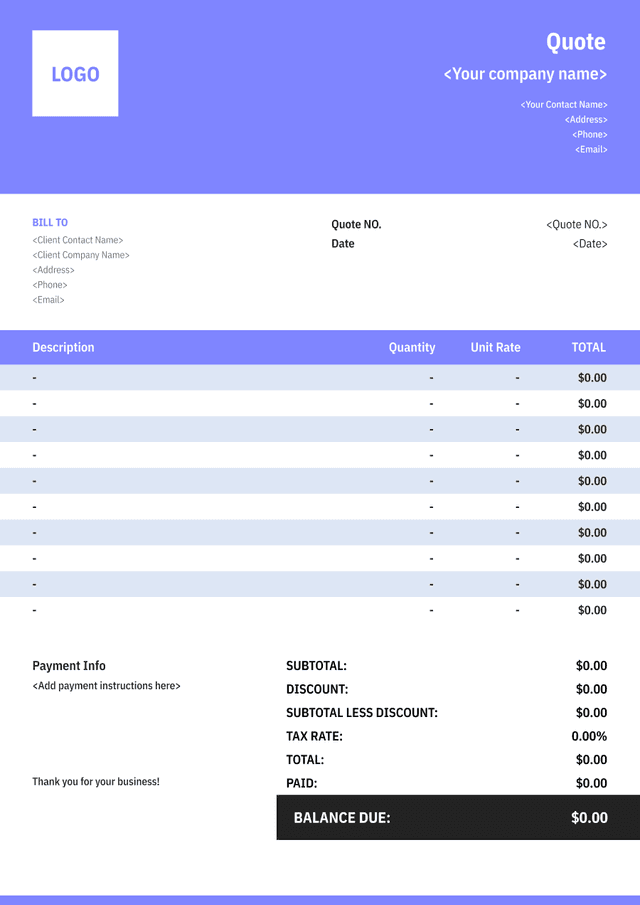
What Is a Quote?
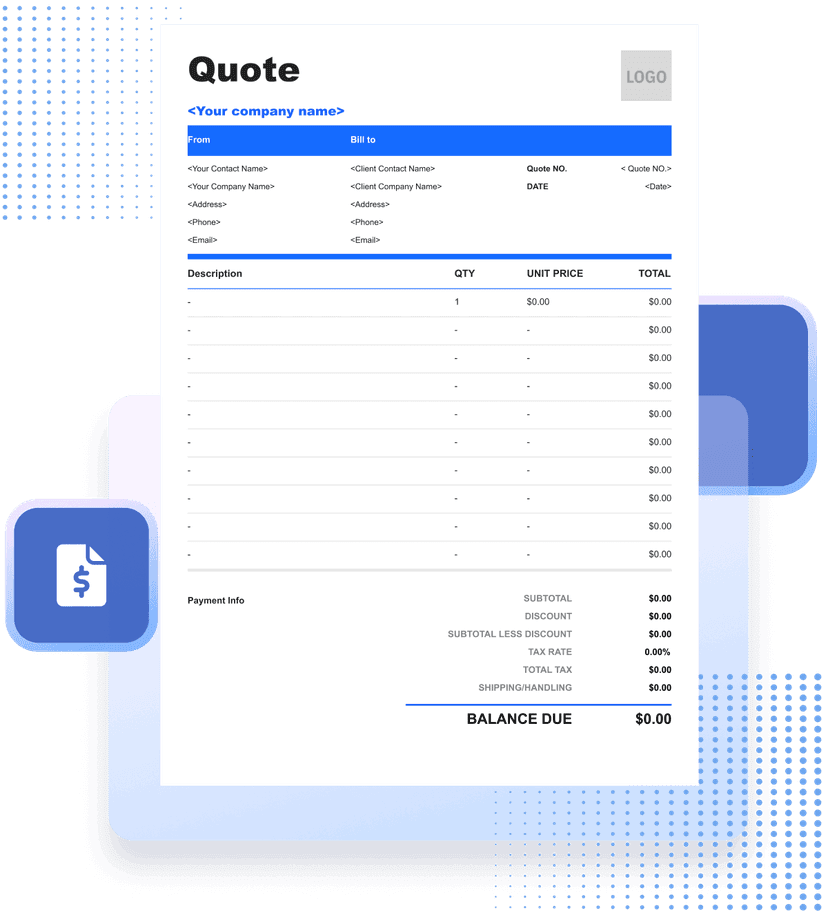
A quote is a written offer to supply defined goods or services at a stated price under stated terms. It lets the customer review what is included, how the price is built, how long the offer remains open, and how to accept it.
A strong quote is specific enough to guide later work and billing. It identifies the customer and project, describes the deliverables, shows quantities and prices, and records assumptions, exclusions, taxes, payment terms, and a validity period.
Acceptance can create important obligations depending on the wording, transaction, and applicable law. Use clear approval instructions, keep the accepted version, and obtain agreement before performing work or adding charges outside the quoted scope.
Version control matters when several people discuss the sale. Give each revision a date or version number, identify what changed, and store the customer’s approval with the final quote and any later variation.
- 01
Offer and parties
Identify the business, customer, quote reference, and authorized contacts.
- 02
Defined scope and price
Describe the included goods or services, quantities, rates, and total.
- 03
Approval record
State validity and terms, then preserve the accepted version and changes.
What Should a Quote Include?

- 01
Parties and Quote Reference
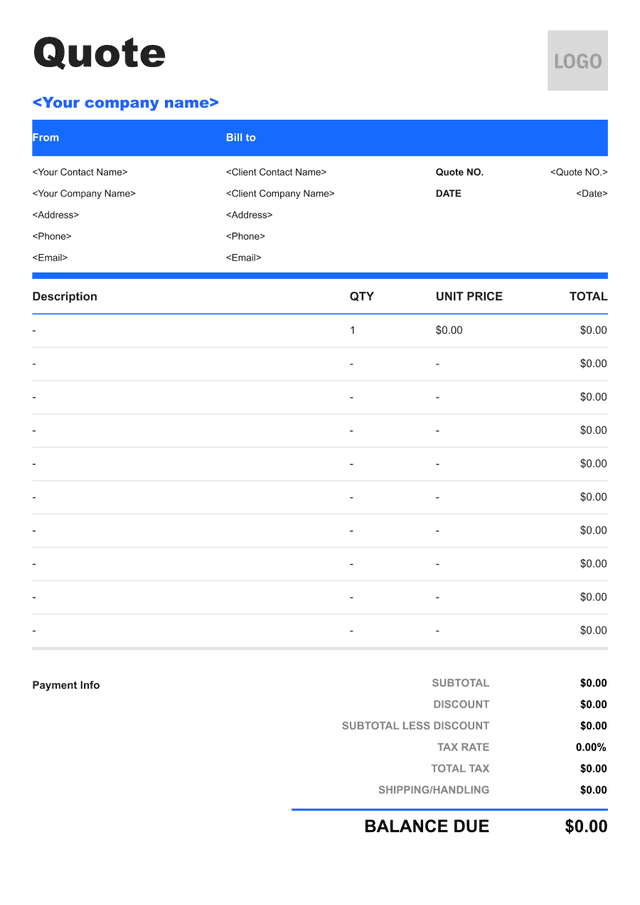
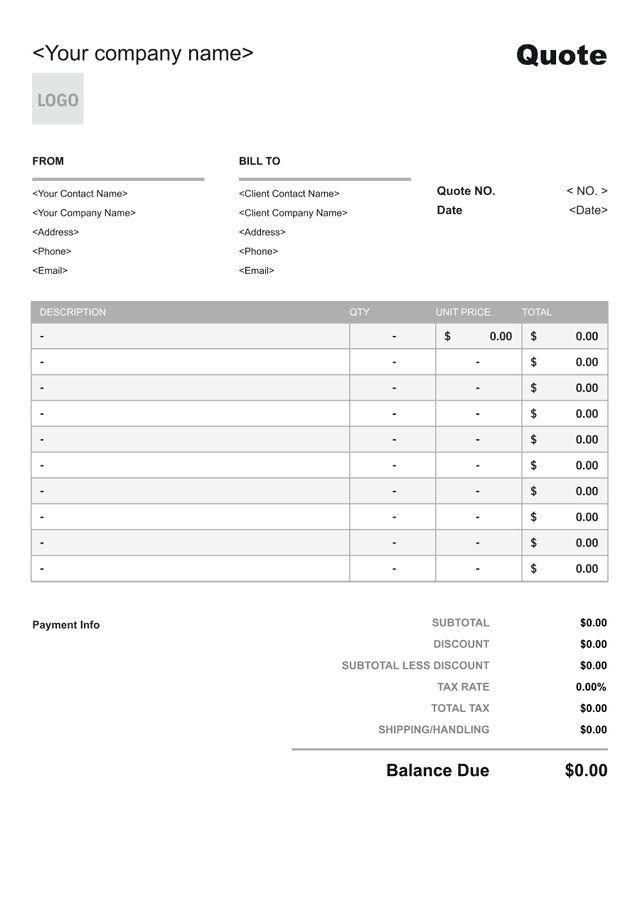
Place the business name, customer, quote number, issue date, and project reference at the top. Add contacts plus service and billing addresses when they differ, and reuse the quote reference on later documents.
- 02
Defined Scope and Price
Describe each product or service with quantities, units, rates, and line totals. Separate labor, materials, delivery, options, and other charges when that detail helps the customer understand the stated price.
- 03
Terms, Validity, and Acceptance
Show subtotal, discounts, taxes, total quoted price, payment terms, validity period, assumptions, and exclusions. Give the customer a clear acceptance method and explain how changes will be approved.
How to Create a Quote Customers Can Approve

- 01
Define the Scope in Specific Terms
Use precise product or service names, quantities, units, specifications, location, deliverables, and completion standards. Place meaningful exclusions and optional items beside the related scope.
- 02
Make the Price Easy to Review
Show quantities, rates, and line totals where they explain the calculation. Separate subtotal, discounts, taxes, delivery, included charges, and optional items, and check the arithmetic.
- 03
Make Acceptance and Changes Explicit
State the validity period, payment terms, acceptance method, and authorized contact. If the scope changes, document the price and schedule effect and obtain approval before performing or billing it.
How to Calculate Labor and Material Costs for a Quote

Calculate Quoted Labor
Break the defined scope into tasks and include setup, travel, production, installation, testing, and cleanup when those activities are included. Match each task to the correct rate and check that the quoted hours cover the promised result.
Quoted labor
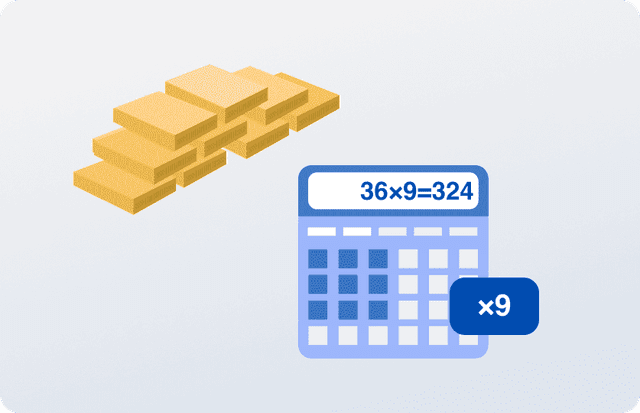
Hours×Hourly rate
Worked example: 6 hours × $75 = $450
Calculate Quoted Materials
List each included material with a measurable quantity and current unit price. Identify the specified product or quality level, state whether delivery is included, and recheck price and availability before sending.
Quoted materials
Quantity×Unit price
Worked example: 12 shelves × $30 = $360
Build the Quoted Total
Add visible costs for delivery, equipment, permits, disposal, or subcontracted work when included. Review the subtotal before discounts and taxes and keep unselected options outside the accepted total.
Quoted subtotal
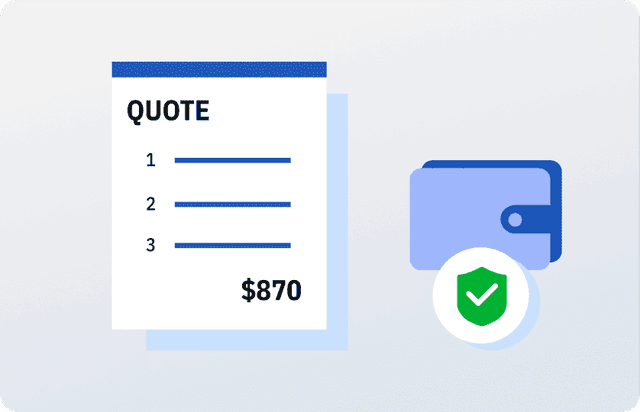
Labor + materials+Included costs
Worked example: $450 + $360 + $60 = $870
How to Handle Uncertain Costs in a Quote
Define Allowances
Name each allowance, show the amount included, explain what it covers, and state how a higher or lower selection changes the price.
State Assumptions
Write the conditions on which the quote depends, such as dimensions, access, usable existing services, or normal working hours.
Separate Options
Keep optional work outside the accepted total unless selected, and give each option a clear description, price, and approval method.
Control Variations
Describe any scope change and its price and schedule effect, then obtain approval and retain it with the original quote.
Common Quote Mistakes to Avoid
Quoting a Vague Scope
Name the exact product, service, location, quantity, and completion boundary rather than relying on a general phrase such as “installation work.”
Leaving Terms Unclear
State validity, included taxes and delivery, payment timing, and the acceptance method directly on the quote.
Hiding Exclusions or Options
Keep exclusions and optional items visible and do not add an option to the accepted total unless the customer selects it.
Changing Price Without Approval
Document the variation, price effect, and schedule effect before performing or invoicing work outside the accepted quote.

Quote Template FAQs
Is a quote the same as an invoice?
No. A quote offers defined goods or services before payment becomes due. An invoice requests payment when an accepted deposit, delivery, milestone, completed service, or final balance is due.
How long should a quote remain valid?
Use a period that matches how long you can hold the price, availability, and schedule. State a specific expiration date or number of days and refresh expired terms when needed.
Can I change a quote after the customer accepts it?
Do not change an accepted scope or price silently. Prepare a written variation or revised quote, explain the effect, and obtain approval before performing or billing the change.
Should a quote include taxes and payment terms?
Show whether tax is included or added, and state deposits, milestones, payment methods, and due timing so the customer understands the full offer before accepting.
Other Free Resources
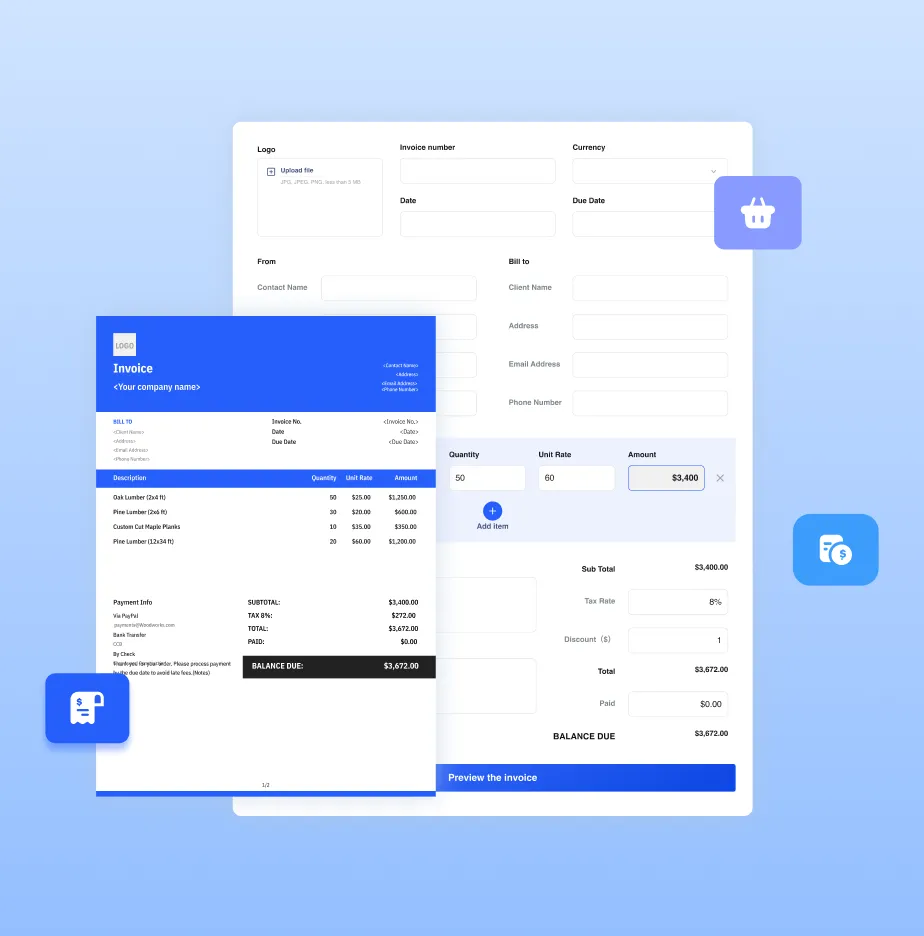

Try Invoice Zip Today
Start Sending Invoices, Building Reports, Saving Office
Time and Get Paid Faster.