

Free Estimate Templates
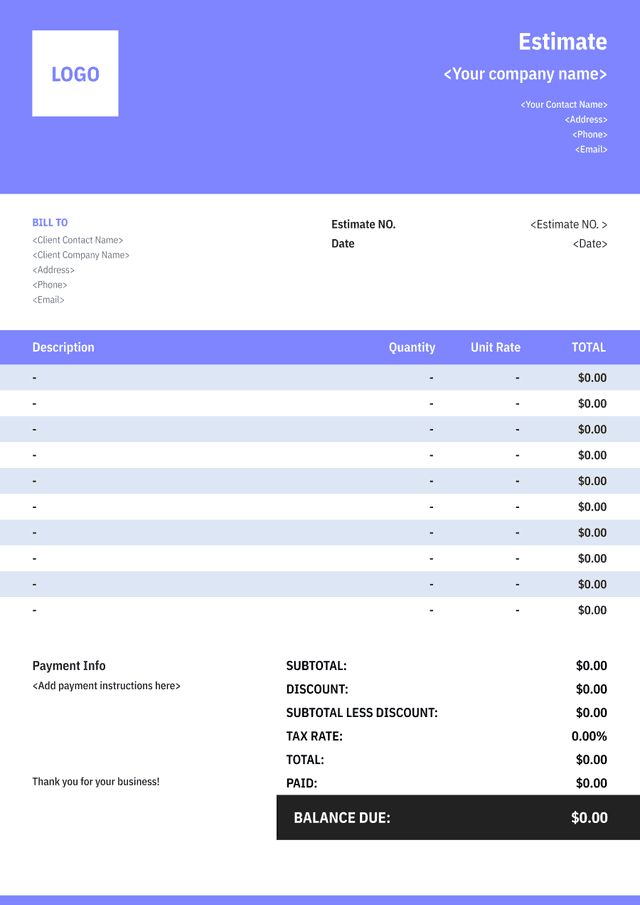
Prepare a clear estimate before you invoice a customer. Organize the proposed scope, quantities, labor, materials, assumptions, allowances, and expected cost so the customer can understand what may change and approve the next step.


What Is an Estimate?
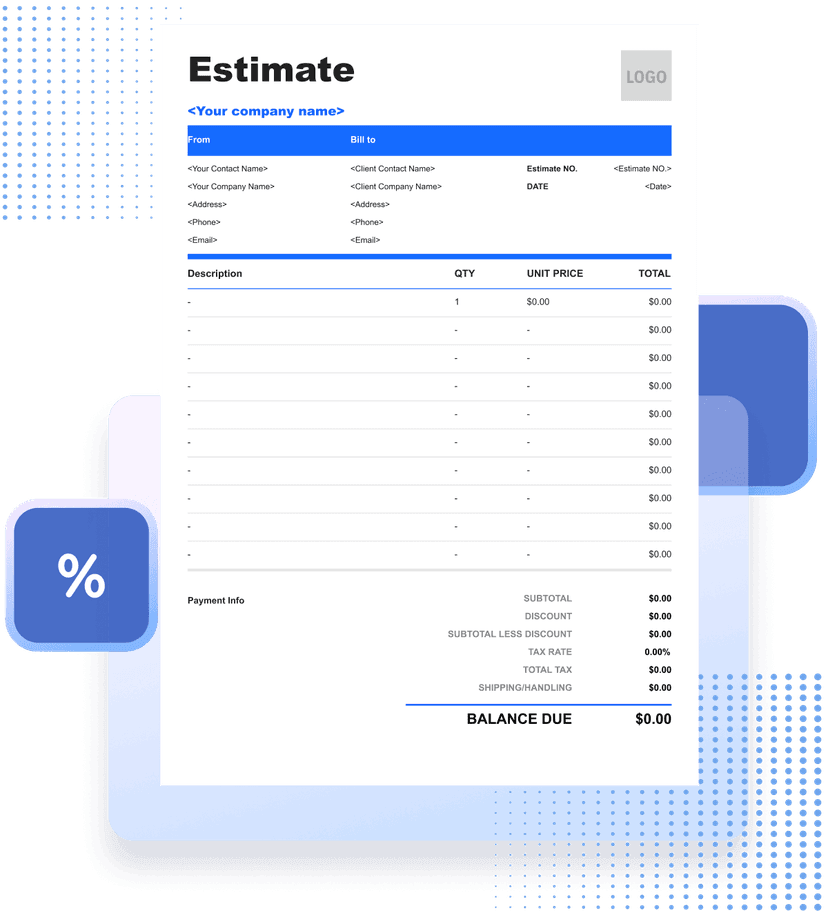
An estimate is a projected cost for work or goods based on the information available when it is prepared. It helps a customer understand the expected scope and price before final quantities, conditions, or selections are known.
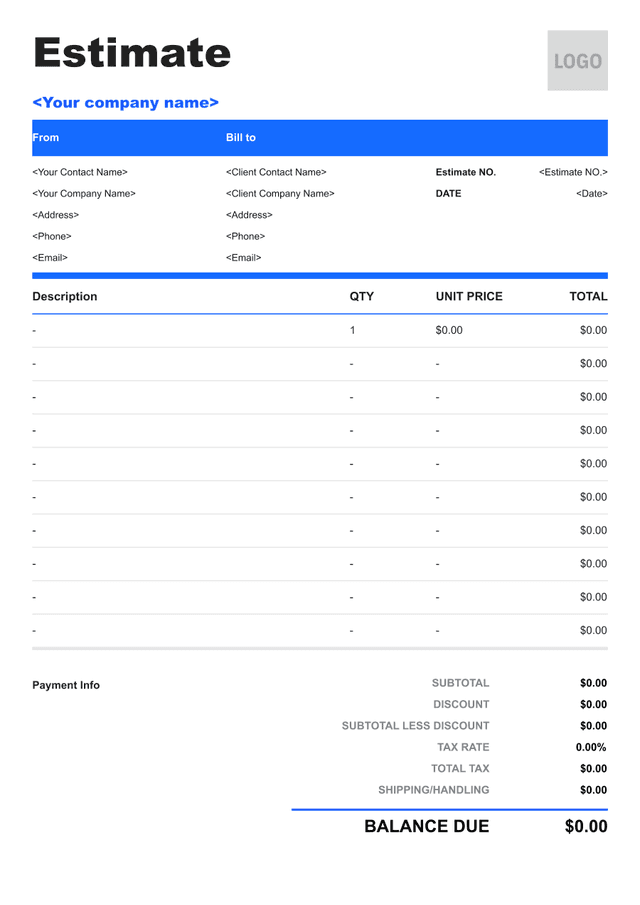
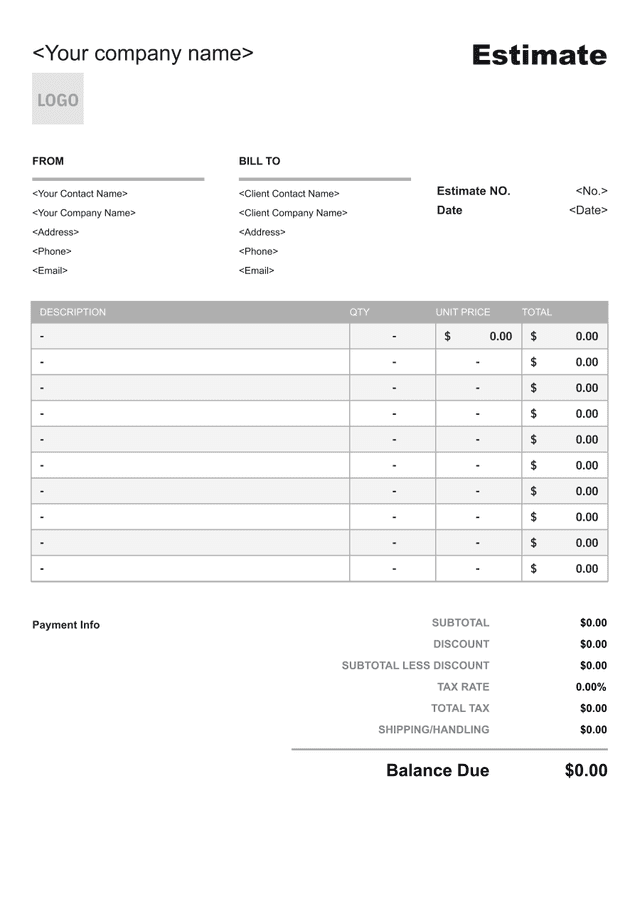
A useful estimate explains how the expected cost was built. It lists proposed work, quantities, labor, materials, rates, allowances, taxes, assumptions, exclusions, and a validity period instead of presenting one unexplained total.
An estimate is not an invoice and does not by itself mean the entire estimated amount is payable. When an agreed deposit, milestone, delivery, or completed work becomes due, prepare the appropriate invoice using approved and current figures.
If new information changes the expected cost, issue a dated revision and identify the change. Keep customer approval and later scope changes with the project so the final billing can be traced to the latest accepted information.
- 01
Expected scope
Describe the work, quantities, and deliverables used for the projection.
- 02
Cost assumptions
Show rates, allowances, exclusions, and conditions that may change.
- 03
Path to billing
Revise when needed and invoice only when an agreed amount becomes due.
What Should an Estimate Include?

- 01
Parties and Estimate Reference
Identify the business, customer, estimate number, issue date, project location, and useful contacts. Reuse the reference on revisions and later invoices.
- 02
Proposed Scope and Cost Breakdown
Describe tasks, products, quantities, units, labor, materials, rates, and subtotals. Group longer work by phase so the expected total can be checked.
- 03
Assumptions, Exclusions, and Validity
State what the estimate relies on, what is outside scope, how long the figures remain current, and how revisions or customer selections will be handled.
How to Create an Estimate Customers Can Understand

- 01
Define the Proposed Scope
Describe the expected work in plain language and identify dimensions, quantities, deliverables, location, and completion boundaries used for the estimate.
- 02
Show How the Cost Was Built
Use quantities, units, rates, and subtotals for labor, materials, equipment, delivery, or subcontracted work. Label allowances and provisional amounts.
- 03
Explain What May Change
Place assumptions and exclusions beside the affected scope, state the validity period, and explain how updated information will lead to a revised estimate.
How to Calculate Labor and Material Costs for an Estimate
Estimate Labor Cost
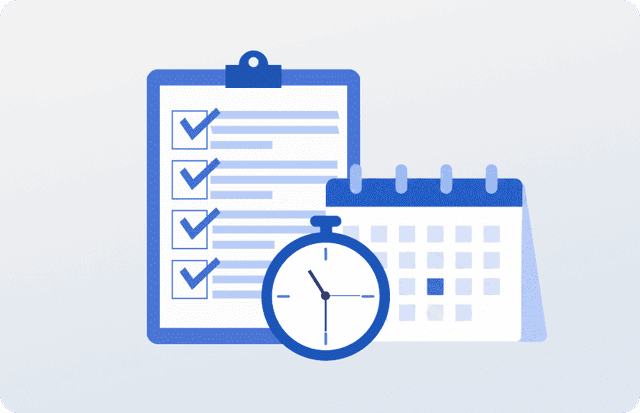
Break the work into tasks, estimate realistic hours for each, and include setup, travel, access, testing, and cleanup when relevant. Match each task to the correct labor rate.
Estimated labor
Expected hours×Hourly rate
Worked example: 8 hours × $70 = $560
Estimate Material Cost
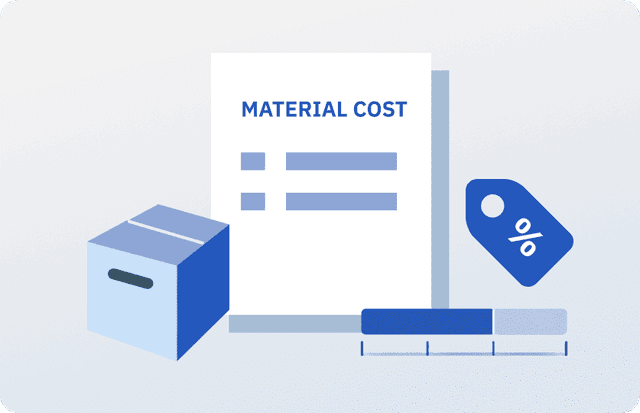
Measure the expected quantity, apply current unit prices, and account for ordinary waste or minimum orders only where appropriate. Identify allowances for unselected products.
Estimated materials
Expected quantity×Unit price
Worked example: 20 units × $18 = $360
Build the Estimated Total
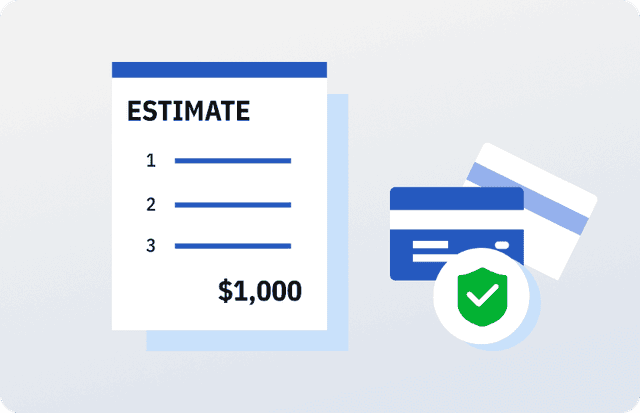
Add labor, materials, equipment, delivery, permits, and other expected costs. Apply discounts and estimated tax visibly and avoid counting an included cost twice.
Estimated total
Expected subtotal+Estimated additions
Worked example: $560 + $360 + $80 = $1,000
How to Handle Uncertain Costs in an Estimate
Use Defined Allowances
Assign a named provisional amount to an item not yet selected and explain what happens when the actual selection differs.
State Testable Assumptions
Describe the measurements, access, site conditions, schedules, or customer information used to prepare the figures.
List Meaningful Exclusions
Identify work or costs the customer could reasonably expect but that are not included in the estimate.
Issue Traceable Revisions
Date each revision, identify changed quantities or scope, and preserve the accepted version instead of editing history silently.
Common Estimate Mistakes to Avoid
Using One Unexplained Total
Show the major tasks, quantities, and cost categories so the customer can understand the expected amount.
Treating Estimates as Fixed Facts
Label assumptions, allowances, and provisional quantities instead of presenting unknowns as final.
Omitting Important Exclusions
State meaningful work or costs that are outside the proposed scope before the customer relies on the estimate.
Invoicing the Estimate Unchanged
Before billing, reconcile completed work, actual quantities, approved changes, and prior payments rather than copying the estimate total.

Estimate Template FAQs
Is an estimate the same as a quote?
Not always. An estimate presents an expected cost based on current information, while a quote generally states a price for a defined scope under stated terms. The legal effect depends on wording and applicable law.
Should I show uncertain costs?
Yes. Use named allowances, assumptions, ranges, or provisional quantities so the customer can distinguish known inputs from figures that may change.
Can I revise an estimate?
Yes. Give the revision a new date or version, identify what changed, preserve the earlier version, and obtain any approval needed before relying on the update.
When should I send an invoice instead?
Send an invoice when an agreed deposit, milestone, delivery, completed work, or final balance becomes payable. Use actual approved figures and credit earlier payments.
Other Free Resources

Try Invoice Zip Today
Start Sending Invoices, Building Reports, Saving Office
Time and Get Paid Faster.