


Free Tree Removal Estimate Template
Prepare a tree removal estimate that prices the tree assessed on site, ties each line to a species, a DBH and height measurement, and a risk and access evaluation, and shows where site conditions such as proximity to structures or utility lines may move the total. Give the property owner and any insurer a reviewable basis before a deposit, a signed work order, or an emergency callout is requested.
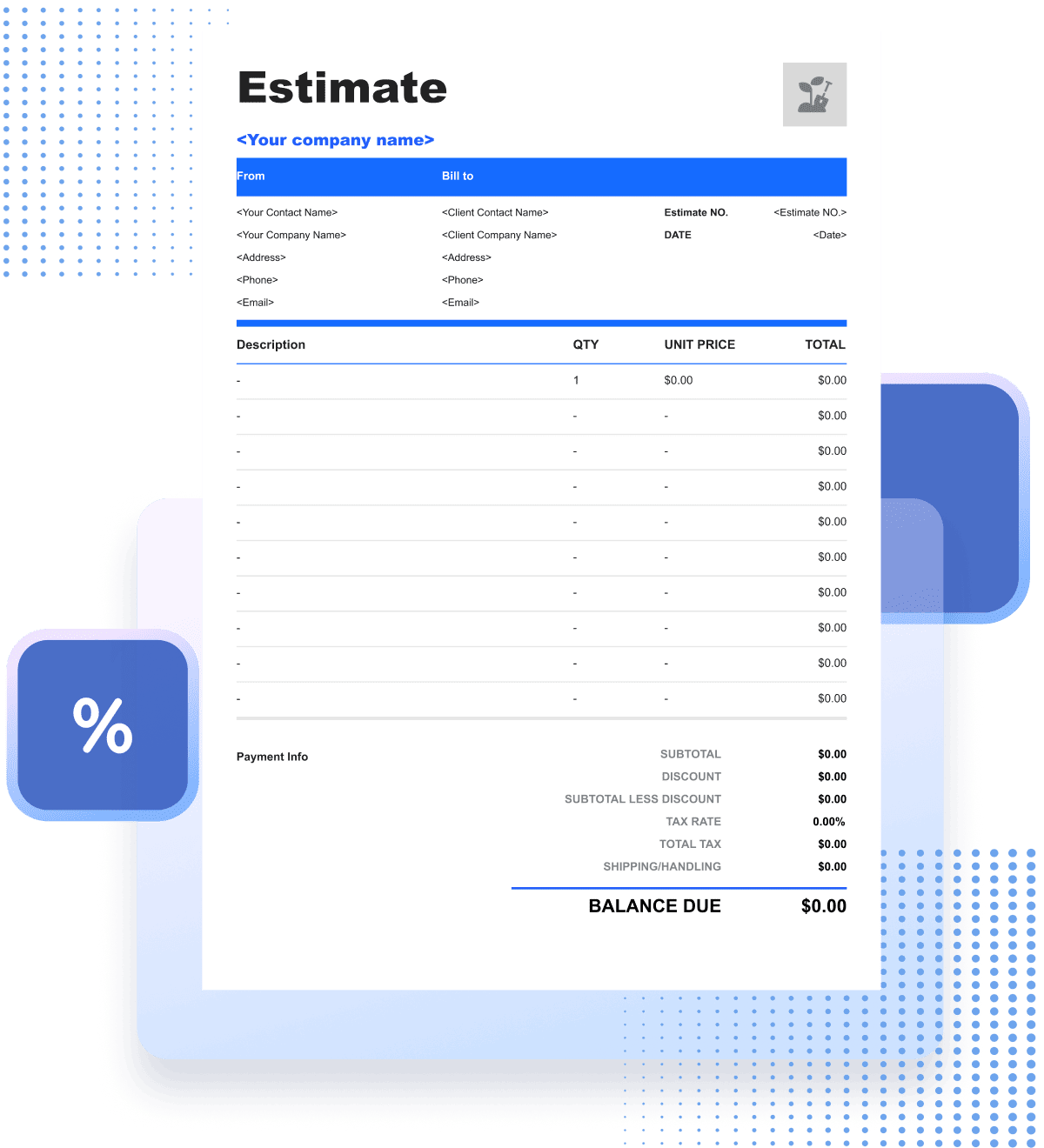
Tree Removal Estimate Template
A tree is priced by its risk, not by its height alone. Put the species and trunk diameter, what it could hit if it comes down wrong, the equipment and access, the removal method, the stump and debris handling, and the permit and utility-locate steps under one estimate number.
Targets and access change the price more than the tree does. Separating the take-down, the stump grinding, and the hauling lets the owner choose how much of the job you do, and gives you a record of what was excluded when a fence, a driveway, or a neighboring hedge is in the drop zone.
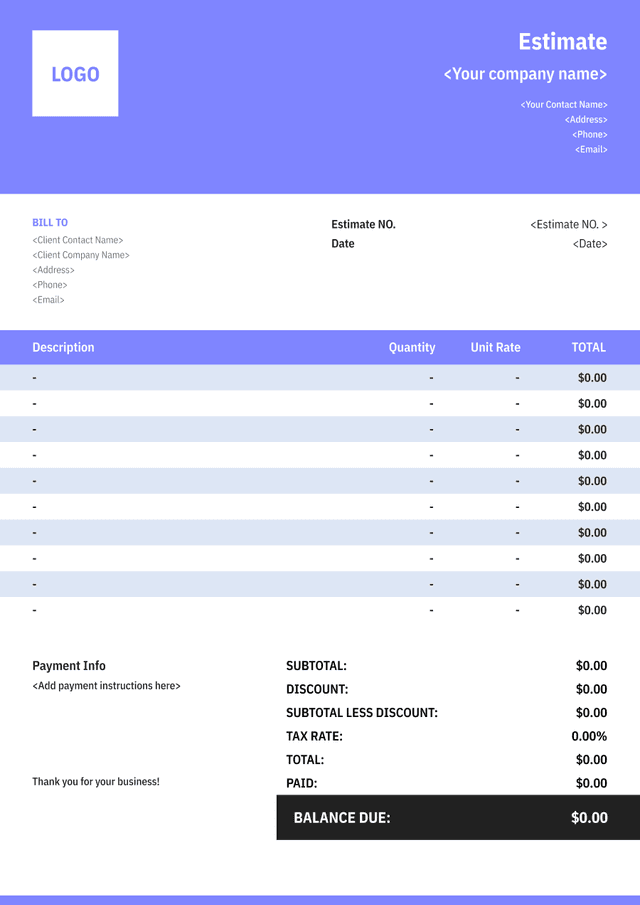


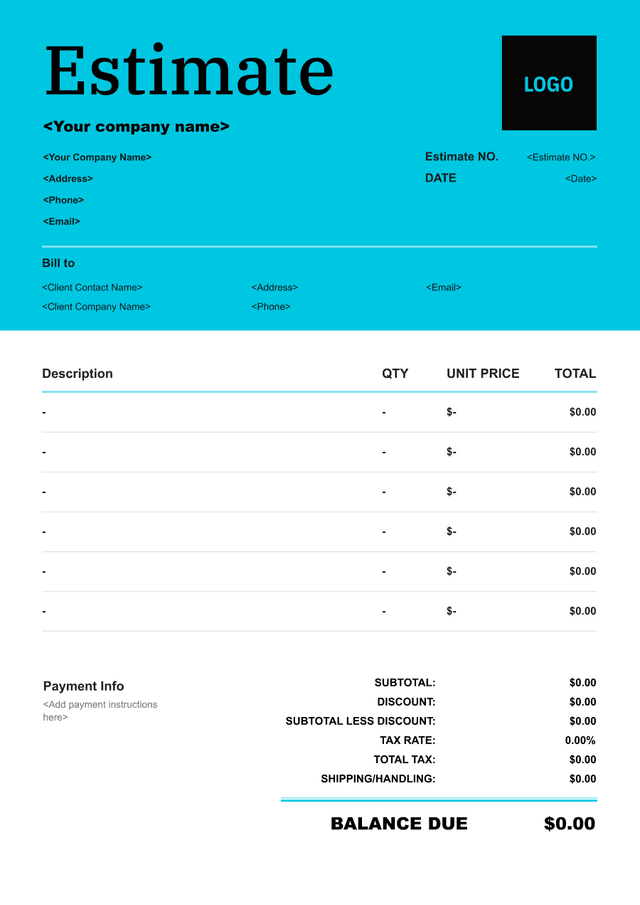
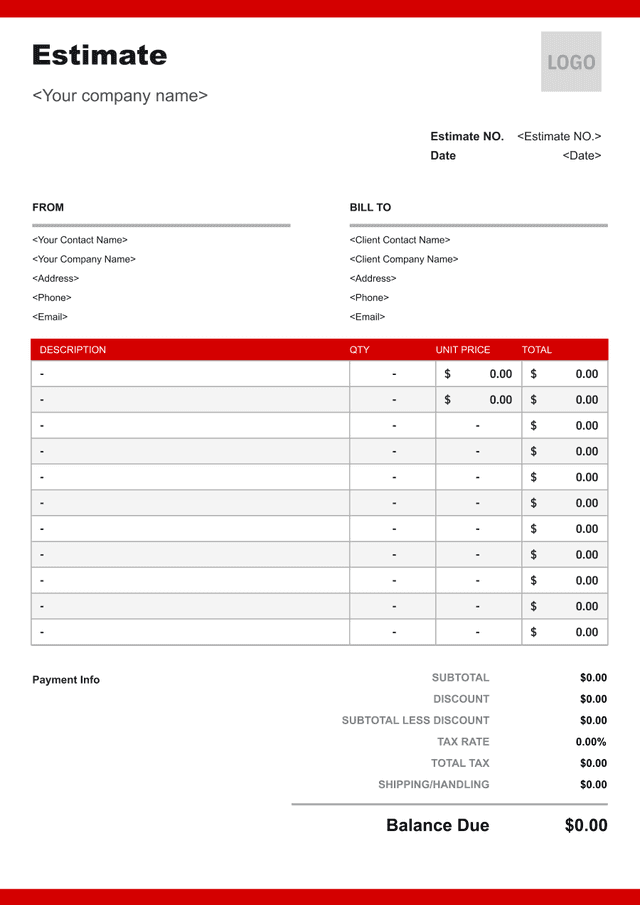
What Is a Lawn Care Estimate?
A tree removal estimate is the price a property owner receives after the tree has been assessed on site: what the removal will cost, which method it takes, and where the number may still move with access, risk, or what the climb exposes. The figure comes from the species, the DBH and height, the health and lean of the tree, the equipment the site requires — crane, aerial lift, or ground crew only — the disposal and stump grinding scope, and the overhead, insurance, and margin your company carries.
Most of the uncertainty sits in what the tree is near and what is below it. A tree that leans over a roof, a power line, or a fence costs more to remove than one in an open field, and what lies underground — a gas line, a sewer lateral, or an irrigation main — decides whether a stump can be ground at all.
Owners read it to decide whether to proceed, whether to involve insurance, and whether the tree is an emergency or a scheduled removal. It belongs next to the work order and the insurance claim file rather than on its own, and its value comes from separating what the assessment can confirm from what only the removal itself will expose.
- 01
What the number represents
It prices the removal of the tree as assessed on the day: the species, the DBH and height, the lean and health observed, and the access and risk documented. It is not a fixed bid if the site conditions change, and it is not a bill — labeling it an estimate keeps the owner and insurer aligned when a climb reveals decay, a buried utility, or a structural defect that shifts the method and the cost.
- 02
How much detail it carries
A ground-level assessment and a climb inspection produce different documents. The first can carry a per-inch or per-tree rate with a risk multiplier and an allowance for what the canopy may hide; the second should name each lead, each decay column, and each hazard the removal has to manage. Matching the detail to how far the tree was actually inspected is what keeps the number defensible at dispute or claim time.
- 03
Why the total moves
A decay pocket found during the climb, a trunk section that requires a crane because it cannot be lowered safely, a utility line closer than the minimum approach distance, and a permit or road closure the municipality requires all move the total after the estimate is issued. Carry each as a conditional line with the trigger that activates it, so the owner and insurer can approve it on its own rather than finding it buried in the final invoice.
What to Include in a Landscaping Estimate
Every estimate has to identify the tree and the site well enough that the crew, the owner, and any insurer or inspector never confuse it with another tree on the property. After that, each priced scope should trace to a DBH and height measurement, a risk and access evaluation, a permit reference, or a 811 locate ticket number.

- 01
Business and client details
Your company name, license number where the state or arborist certification requires one, address, phone, and email, then the owner's name, the property address, and the billing address if the two differ. Where the removal is insurance-funded or falls under an emergency claim, add the insurer, the claim number, and the adjuster's contact, and note who authorized the assessment.
- 02
Estimate number, dates, and validity
Keep estimate numbering in its own series, apart from invoices, and put three dates on it: the date issued, the date the tree was assessed on site, and the 811 locate ticket date. Set an expiry and say what happens after it, because tree condition can change between estimate and removal — a storm, a further lean, or a crack that opens — and the quoted price assumes the tree as it stood on the assessment day.
- 03
Scope of work with inclusions and exclusions
Describe the tree by species, DBH, height, and health, and state what the estimate includes: felling or sectional dismantling, limb and trunk processing on the ground, and haul-away of wood and brush to a stated size and quantity. Then list what it excludes: stump grinding unless it is its own line, root removal, underground utility repair, wood splitting or milling for the owner to keep, and work inside the minimum approach distance to a power line that only a utility-qualified crew can perform. Note what the assessment rested on — the on-site inspection, the photographs, and the 811 locate — and where it stopped, such as a climb not performed or a root collar not excavated. Silence reads as inclusion.
- 04
Risk, access, and equipment assessment
State the lean direction, the targets within the drop zone — structures, fences, vehicles, or overhead lines — and whether the tree is healthy, decayed, or dead, because a dead tree with hanging bark and broken limbs (a widow-maker) is priced at a higher risk than a sound tree in the same location. Then state the access: can a crane or aerial lift reach the tree, or does the crew climb and rig on foot, and what is the ground condition — slope, saturation, or a lawn the equipment will damage.
- 05
Removal method, stump grinding, and disposal
Price the removal method — whole-tree felling where space allows, or sectional dismantling with ropes and rigging where targets are near — with the crew size, the equipment, and the hours assumed. Carry stump grinding as its own line with the diameter and the grinding depth, state whether surface roots are included, and price wood and brush hauling by the load or the cubic yard, noting whether the owner wants firewood-sized logs left on site or everything removed.
- 06
Totals, payment terms, warranty, and acceptance
Finish with subtotals by scope — removal, stump grinding, hauling, and permits — contingency on its own line, tax where it applies, and the total. Under that, the terms: the deposit required before the crew and equipment are scheduled, how an emergency callout is billed if the tree condition changes, what the cleanup standard is — raking, limb removal to ground level, and brush hauled — what the liability insurance covers and the certificate holder, and a signature block with printed name, date, and the version accepted.
Reuse Saved Information in Invoice Zip
Use saved items and client information to create a tree removal estimate in just a few taps.
How to Break Down a Landscaping Estimate
Four passes turn a tree assessment into a removal price: confirm the tree and the risk, measure it, price it against your rates and equipment, and check it before the owner sees it.
Confirm the scope
Walk the site and write down what you are actually pricing: which tree or trees, what the owner wants done — removal, pruning, or stump grinding — and what you could not assess from the ground. Note the species, the lean, the targets in the drop zone, the overhead and underground utility lines, and the permit or ordinance requirements the removal triggers, so none of it turns up later as an unpriced surprise.
Measure the work
Measure the DBH at the standard height, estimate or measure the height, and note the canopy spread and the lean angle, because those four numbers drive the crew size and the equipment. Price the removal by the inch of DBH, by the tree, or by the hour, and carry anything that depends on what the climb exposes — a hollow trunk, a buried decay column, or a structural crack — as a conditional line with an assumed quantity.
Apply resources and rates
Put the crew size, the climb or ground-crew hours, and the equipment — crane, aerial lift, chipper, stump grinder, and truck — on the removal line separately from the disposal and the permit lines, so a method change can be repriced without reopening the labor. Add the risk multiplier for proximity to structures or lines, the 811 locate, the permit fees, and the overhead, insurance, and margin your company carries.
Review and issue
Read it back the way the owner will: every tree identified, every conditional line flagged, every exclusion written down. Confirm the DBH, the risk assessment, the total, and the validity period, then issue it and say what follows: a signed work order once the scope and the schedule date are agreed, with a numbered change order for anything the climb exposes that the assessment did not price.
Common Landscaping Estimate Line Items
- 01
Assessment and site preparation
On-site species and health assessment, DBH and height measurement, risk and target evaluation, 811 utility locate, and drop-zone preparation.
Typical units: each, hours, flat fees
- 02
Climbing and rigging labor
Climber and ground crew, sectional dismantling with ropes, rigging points, lowering devices, and canopy brush removal.
Typical units: hours, each, per tree
- 03
Equipment and machinery
Crane, aerial lift or bucket truck, chipper, stump grinder, skid steer, dump trailer, and fuel for each.
Typical units: hours, each, per day
- 04
Stump grinding and root work
Stump grinding to a stated depth, surface root tracing and removal, backfill of the grindings, and site leveling.
Typical units: each, diameter inches, square feet
- 05
Wood processing and hauling
Limb and brush chipping, trunk sectioning, log hauling, firewood processing for owner retention, and brush disposal.
Typical units: loads, cubic yards, each
- 06
Permits, insurance, and emergency callout
Tree removal permit, road or lane closure, liability insurance certificate, emergency or storm-response premium, and cleanup.
Typical units: permits, flat fees, hours
Key Considerations for Landscaping Estimates
- 01
Assess species, DBH, health, and structural risk
Identify the tree by species, measure the DBH at the standard height, and assess the health and structure from the ground and from the canopy if the tree warrants a climb. Note dead limbs, decay cavities, codominant stems with included bark, and cracks in the trunk or major unions, because those defects decide whether the tree can be felled whole or has to be dismantled section by section, and a structural failure during the removal is a liability event, not a routine cost overrun.
- 02
Evaluate proximity to structures and utility lines
Map every target within the drop zone and the rigging zone — the roof, the fence, the vehicle, the shed, and especially the overhead utility line — and state the minimum approach distance the crew maintains. A tree within the approach distance of a power line requires a utility-qualified crew or a utility shutdown coordinated with the provider, and that coordination is a permit and a schedule item, not an incidental detail. Underground utilities identified by the 811 locate decide whether and how deep the stump can be ground.
- 03
Confirm equipment, access, and ground conditions
State whether a crane, an aerial lift, or a ground crew on foot is the method, and tie the choice to the access: a narrow gate, a steep slope, a saturated lawn, or a septic field can all rule out equipment and force a climb-and-rig approach that costs more in labor. Carry equipment as owned-hour rates or as rental with the duration stated, and note the turf damage and restoration the equipment will require, because a crane track across a lawn is a separate cleanup line.
- 04
Control permits, insurance, and conditional costs
Confirm whether the municipality requires a tree removal permit, a street closure permit, or a heritage or protected-tree review, and state who applies and who pays. Carry the liability insurance certificate with the certificate holder named, because owners and insurers ask for it and a contractor without proof of coverage should not be climbing a tree over a structure. Record each conditional cost — a crane required because the trunk cannot be lowered, a utility shutdown, or a root excavation — with the trigger, the authorization, and its effect on the total.
Landscaping Estimate, Quote, or Invoice?
Estimate
Projected cost
- Purpose
- Price the removal as assessed on site, using the DBH and height, the risk and access evaluation, today's equipment and disposal costs, and the 811 locate reference.
- When used
- After an on-site assessment, before the work order is signed, the permit is pulled, or the crew and equipment are scheduled.
- Next document
- Become a signed work order once the scope and the schedule date are agreed, with a numbered change order for anything the climb exposes that the assessment did not price.
Quote
Defined offer
- Purpose
- Commit to one price for one defined removal, naming the method, the equipment, the stump grinding depth, and the disposal scope the owner has agreed to.
- When used
- When the assessment is complete, the permit and 811 locate are confirmed, and the method, equipment, and schedule are understood on both sides.
- Next document
- Hold the signed work order with the job file, and record any conditional cost — a crane, a utility shutdown, or added hauling — against it as a change order.
Invoice
Payment request
- Purpose
- Ask for what is actually due: the deposit before scheduling, the balance on completion, the stump grinding as a separate line, or an approved emergency callout.
- When used
- When a payment event occurs — deposit at scheduling, balance at completion and cleanup, or an approved change order for a conditional cost.
- Next document
- Record the payment, credit the deposit already held, and show the balance the owner owes, with the insurance certificate and the disposal log attached.
Landscaping Estimate FAQs
Do I need a permit to remove a tree on my own property?
It depends on the municipality, the species, and the size. Many cities require a permit for trees above a stated DBH — commonly 6 to 12 inches — and some protect specific species or heritage trees. The estimate should state whether a permit is required, who applies, and who pays. If the tree is dead or hazardous, some municipalities waive the permit but still require documentation.
How is a tree near a power line handled?
A tree within the minimum approach distance of an energized line cannot be climbed or cut by a standard crew. The work requires a utility-qualified arborist or a coordinated shutdown with the utility provider. If the tree is contacting the line or within a distance the utility considers an emergency, the owner should call the utility first — any contractor willing to work inside that distance without coordination is operating without insurance.
Is stump grinding included, or is it a separate charge?
Stump grinding is almost always a separate line, not part of the removal price. The estimate should state the diameter, the grinding depth — commonly 6 to 12 inches below grade — and whether surface roots are included. If the stump sits over a utility line identified by the 811 locate, the grinding may have to stop short, and the estimate should note that limitation.
What happens to the wood, and is hauling included?
The estimate should state whether limb and trunk material is hauled away or left on site, and at what size and quantity. Brush is chipped and hauled separately from log-grade trunk wood, and if the owner wants firewood-length logs left, that is a processing line, not a hauling line. If hauling is listed as 'optional,' ask for a hauling line before signing.
Other Free Resources


Try Invoice Zip Today
Start Sending Invoices, Building Reports, Saving Office
Time and Get Paid Faster.