


Free Plumbing Estimate Template
Prepare a plumbing estimate that prices the fixtures and runs you identified at the walkthrough, ties each line to a pipe size and material, a fixture count, or a code-required step, and shows where opening walls or floors may change the total. Give the property owner and any insurer or adjuster a reviewable basis before a deposit, a signed work order, or a change order is requested.
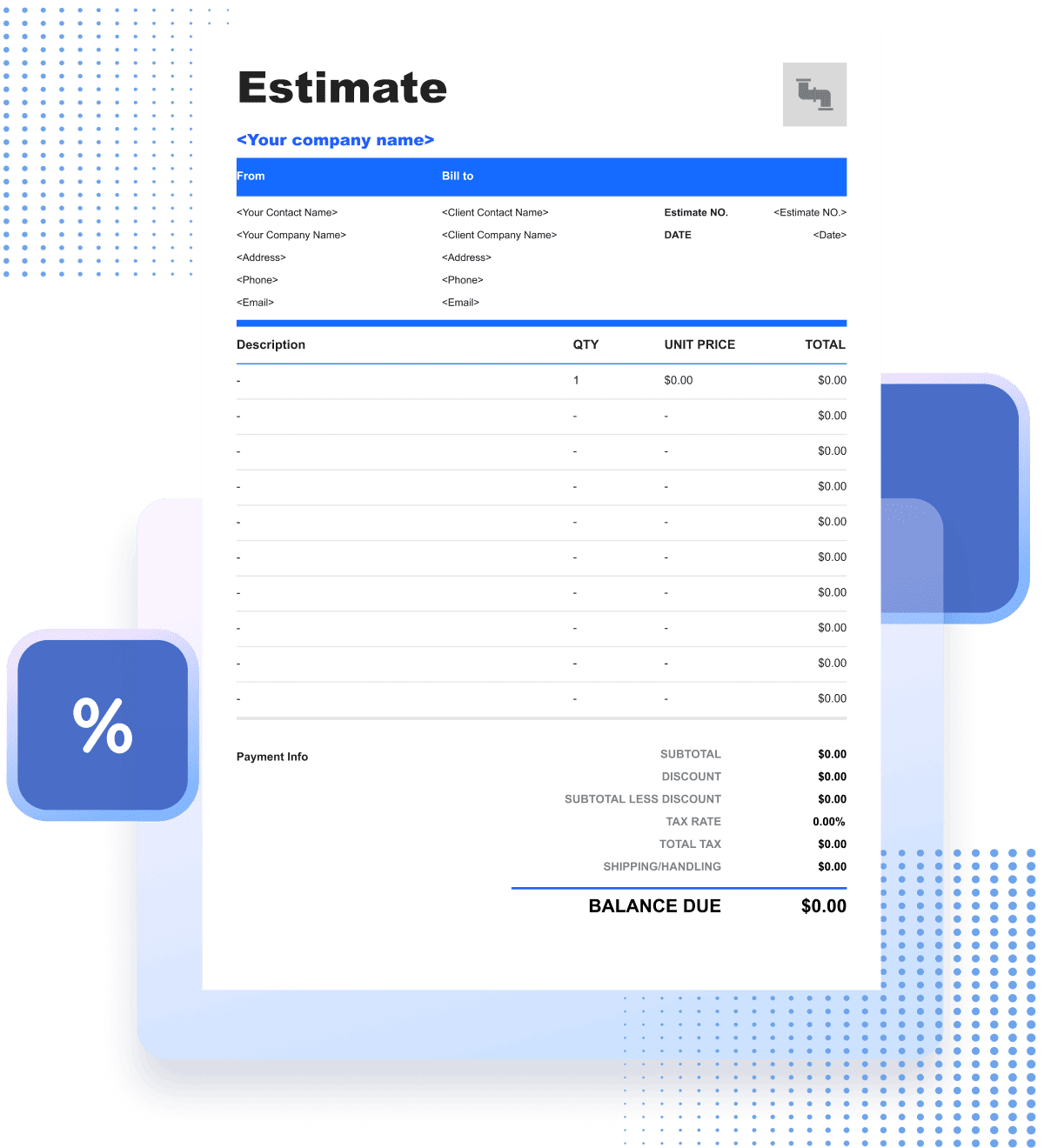
Plumbing Estimate Template
Plumbing gets priced twice: once for the pipe you can see and once for what is behind it. Tie the fixtures and pipe runs counted, the material and sizing, the access and patchback, and the permit and inspection steps to one estimate number.
Access and restoration are where plumbing estimates get argued about. Keeping the pipe work, the opening up, and the patchback on separate lines means a corroded section found inside a wall can be priced and approved on its own.
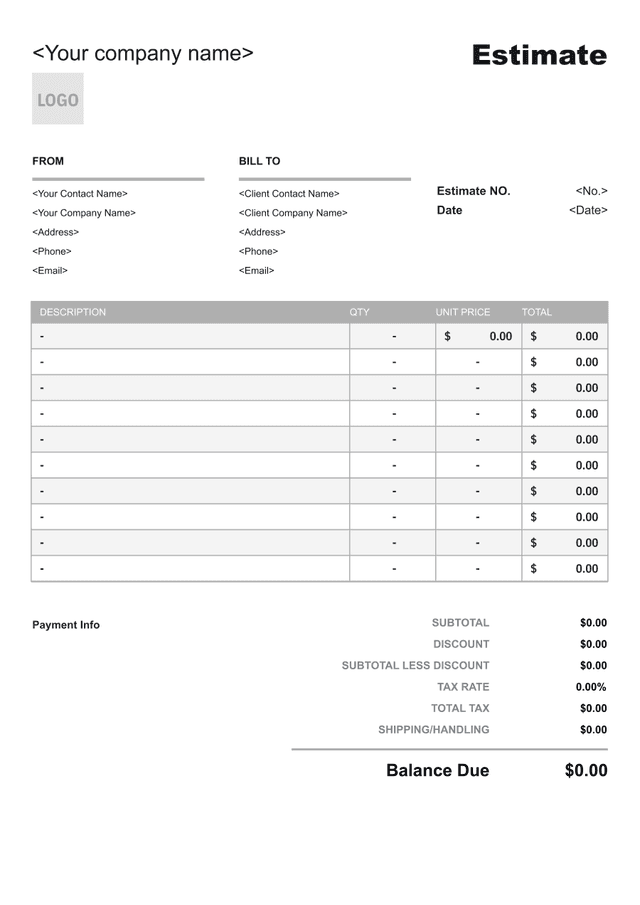


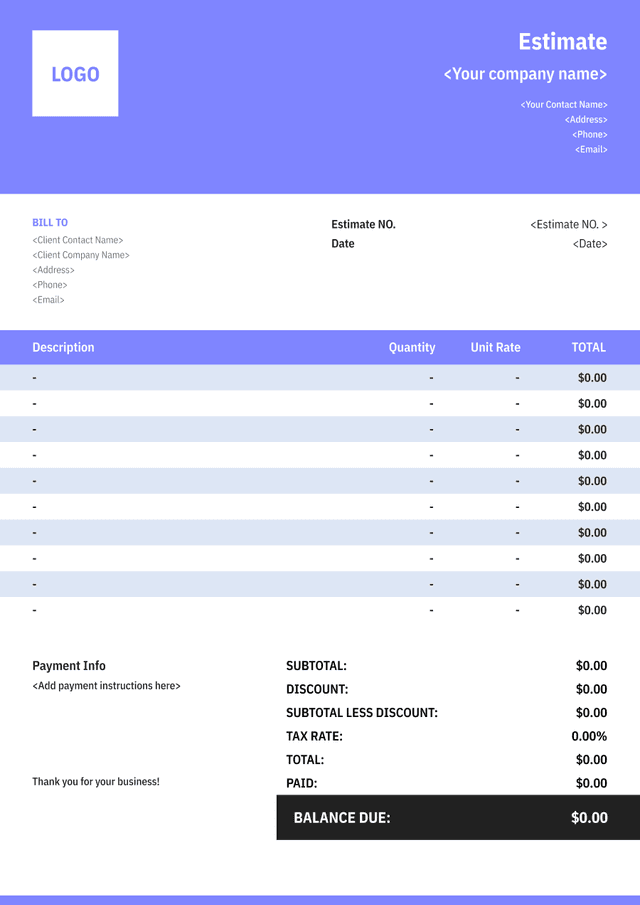
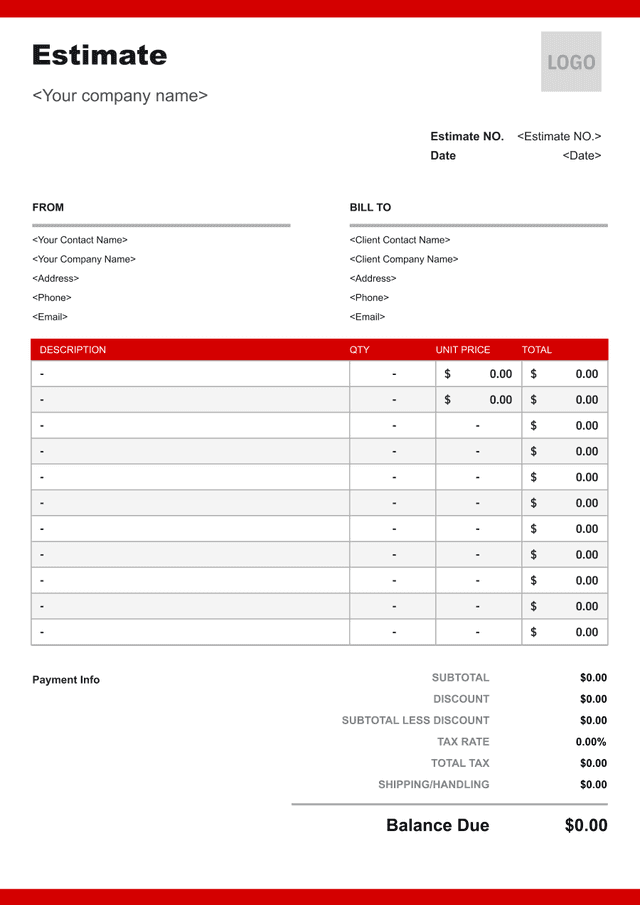
What Is a Plumbing Estimate?
A plumbing estimate is what a property owner receives after a walkthrough: a price for the fixtures, runs, and connections as they were understood on the day, before walls are opened and before finish selections are locked. It starts from the measurements taken on site — fixture locations, pipe lengths exposed or inferred, drain and vent distances — and adds labor hours and journeyman rates, pipe and fitting materials by size and grade, fixture costs, permit and inspection fees, plus the overhead and margin your company carries.
What a walkthrough can see is limited to exposed piping, clean-outs, fixture shut-offs, and whatever the owner reports about pressure, drainage, or recurrent backups. What sits inside a wall cavity, under a slab, or buried in a yard where the main tie-in lives usually decides the real number, and almost none of it is visible on a first visit.
Owners read it to decide whether to go ahead, what fixture grade to select, and how much to set aside for the parts that are still conditional, so it belongs next to the work order and the permit rather than floating on its own. The real value is separating what you have already priced from what is still open, before either side has reason to argue about the gap.
- 01
What the number represents
It prices the fixtures, runs, and connections as described on the day of the visit: the rooms walked, the fixtures identified, the piping observed or inferred, and the materials chosen or still to be chosen. It is not the final figure if the scope changes behind a wall or under a slab, and it is not a bill — writing that plainly on the page prevents most of the arguments that surface at invoice time.
- 02
How much detail it carries
Visiting the same property on two different days produces two different estimates. Off a surface-level visit, fixture allowances and per-opening pricing are appropriate; once walls are opened and the actual pipe size, material, and condition are exposed, each run should carry its material, labor hours, and rate. How precisely you can itemize depends on how much of the system was directly inspected.
- 03
Why the total moves
A fixture selection that costs more than its allowance, corroded supply piping discovered behind a wall, a buried sanitary line with the wrong pitch that needs re-pitching, a permit that triggers a pressure test the code requires, and a special-order fixture lead time all move it. List each conditional item with the assumed count and unit price, so nothing surfaces later as an amount the owner never had a chance to review.
What to Include in a Plumbing Estimate
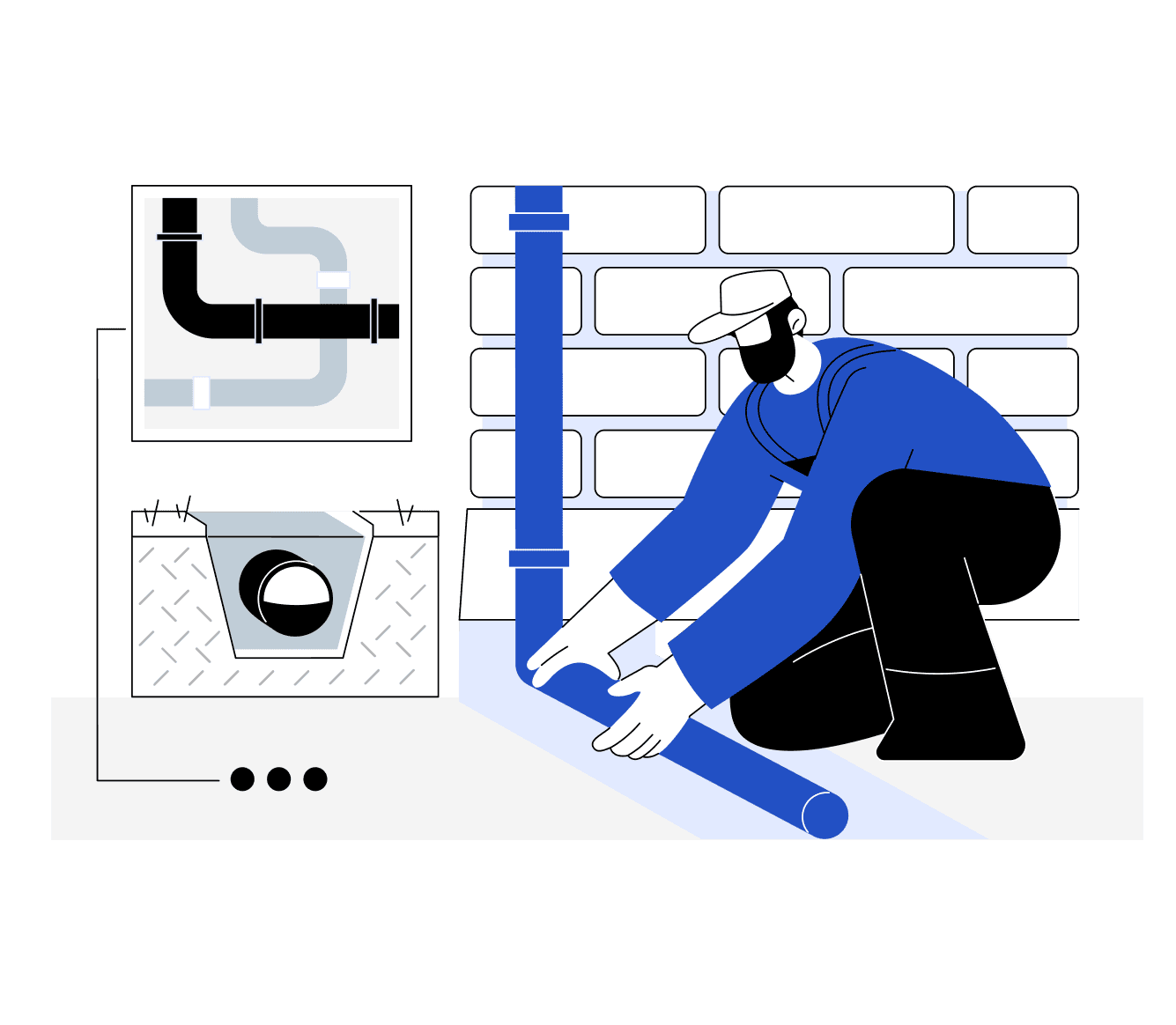
The estimate has to identify the property and the plumbing system well enough that your office and the owner never confuse it with another job: the address, the rooms or fixtures covered, the water supply type, and the date it was walked. Then each priced scope should trace to a fixture count, a pipe run measured or estimated, a material and size specified, a permit step, or a subcontractor or supplier number carried.
- 01
Business and client details
Your company name, plumbing licence number, address, phone, and email, then the owner's name, the property where the work happens, and the billing address if the two differ. If the work is being paid through an insurance claim or linked to a property sale, note the claim or escrow reference and identify who gave walkthrough access — the owner, a listing agent, or a property manager.
- 02
Estimate number, dates, and validity
Keep estimates on a numbering track separate from your invoices, and show the date issued next to the date the property was visited. Set an expiry and say what happens after it, because fixture pricing from suppliers and any subcontracted excavation or gas-tie-in bids do not stay open indefinitely.
- 03
Scope of work with inclusions and exclusions
Describe the job fixture by fixture, or run by run, and say what each part includes; then list what it leaves out — drywall, paint, tile, and flooring repair, work by other trades, owner-supplied fixtures, and the conditions behind existing walls, under slabs, or in buried yard lines that only opening up will expose. Note what the scope rested on, such as the fixtures measured and the clean-outs accessed, and where the inspection stopped, such as a crawl space not entered or a main shut-off not located. Silence reads as inclusion.
- 04
Wall, floor, and ceiling access and patchback
Cutting into drywall, tile, plaster, slab, or exterior siding to reach piping is its own cost category, separate from the plumbing itself. State which surfaces will be opened, how access is made — cut, removed, or routed through an access panel — and whether patchback is included or excluded. Most plumbing estimates exclude finish restoration, and the owner needs to know up front that the drywall, paint, and tile come from someone else's bid.
- 05
Pipe materials, fixtures, and code-required components
Price each run by pipe size and material — PEX, copper Type L or M, cast iron, ABS, or PVC for DWV — and carry each fixture by make, model, and finish where selected, or as an allowance where not. Include the components the code requires whether the owner sees them or not: shut-off valves, backflow preventers, pressure regulators, expansion tanks, and vent terminations. Add permit and inspection fees, and note whether a pressure test or camera inspection is included for drain lines.
- 06
Totals, payment terms, warranty, and acceptance
Finish with subtotals by scope — supply, drain-waste-vent, fixtures, gas line, water heater — contingency on its own line rather than buried in the rates, permit and disposal fees, tax where it applies, and the total. Under that, the terms: payments tied to completed and inspected stages such as rough-in pressure test and final inspection rather than to calendar dates, how a change order is raised and priced once a wall is opened, who pulls the plumbing permit, how your workmanship warranty on the installation differs from the manufacturer warranty on the fixture, and a signature block with printed name, date, and the version accepted.
Reuse Saved Information in Invoice Zip
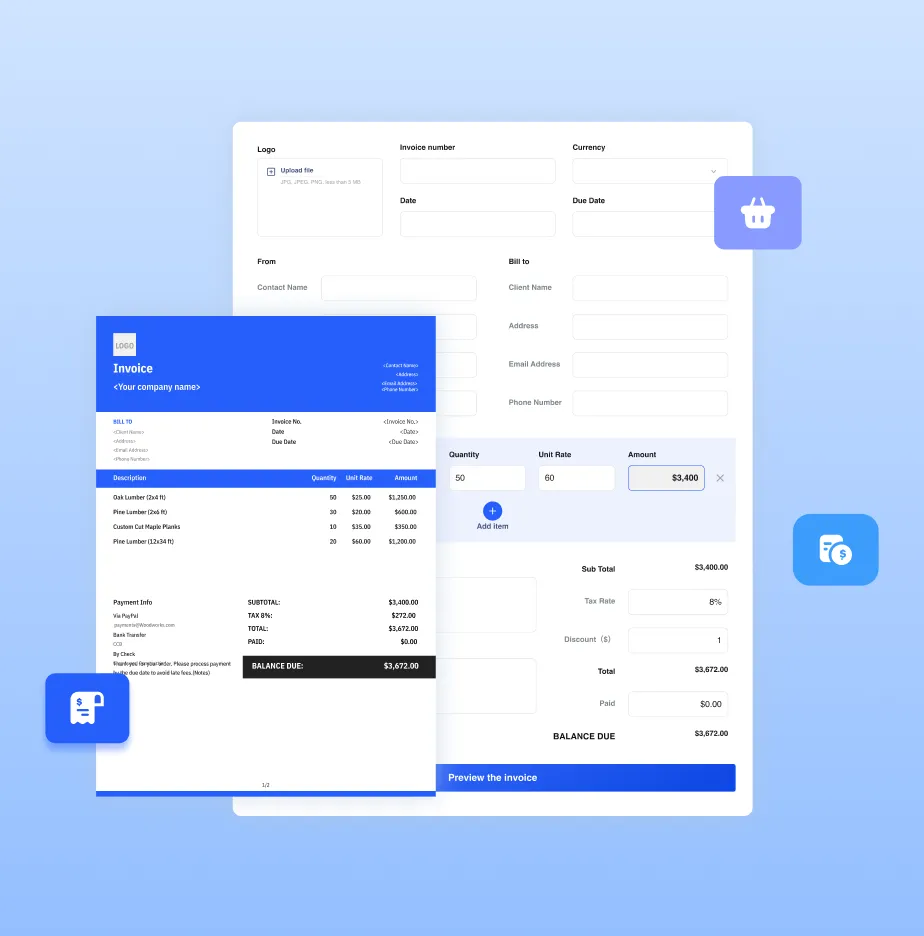
Use saved items and client information to create a plumbing estimate in just a few taps.
How to Break Down a Plumbing Estimate
Four passes turn a walkthrough into a price: confirm what fixtures and runs are in the job, measure them, price them against your rates and suppliers, and check the result before the owner sees it.
Confirm the scope
Identify the fixtures, the supply and drain runs, and the connections you are actually pricing: which rooms, which fixtures stay and which are replaced, what the owner expects to be included, and what you could not see. Note the pipe material and size where exposed, the conditions behind finished walls, the fixture selections still open, and the permit and inspection steps the job will need — pressure test, camera inspection, gas pressure test, or final — so none of it turns up later as an unpriced surprise.
Measure the work
Measure every run yourself rather than pricing from the owner's dimensions, and price each scope in the unit that fits it: linear feet for pipe runs, each for fixtures and fittings, fixture counts for rough-in pricing, and hours for access and patchback. Where the quantity cannot be known until a wall is opened or a slab is cut — corroded galvanized supply behind a wall, a buried yard line of unknown length — carry an allowance with the assumed quantity and unit cost it covers.
Apply resources and rates
Put journeyman and apprentice labor hours and rates on each scope separately from its pipe and fitting materials, so a material grade or fixture selection change can be repriced without reopening the labor. Add pipe and fittings by size and material at current supplier pricing, fixture costs by make and model, subcontracted excavation or gas-tie-in bids where carried, permit and inspection fees, disposal of removed pipe and old fixtures, and the overhead and margin your company carries.
Review and issue
Read it back the way the owner will: every fixture priced, every run measured or allowed, every exclusion written down — especially drywall, paint, and tile. Confirm the measurements, the total, and the validity period, then issue it and say what follows: a signed work order once the scope is agreed, with a numbered change order for anything that changes once walls or floors are opened.
Common Plumbing Estimate Line Items
- 01
Water supply rough-in and repipe
PEX or copper supply piping by size, shut-off valves, manifolds, pressure regulator, expansion tank, and connections at fixture locations.
Typical units: linear feet, each, fixture counts
- 02
Drain-waste-vent and sanitary lines
ABS, PVC, or cast-iron DWV piping, fittings, clean-outs, vent terminations, sanitary tees, p-traps, and connection to the main or septic.
Typical units: linear feet, each, fixture counts
- 03
Fixture installation and replacement
Toilets, sinks, faucets, shower valves, tubs, garbage disposals, dishwashers, supply hoses, angle stops, and wax or gasket seals.
Typical units: each, fixture counts, hours
- 04
Water heater and water treatment
Tank or tankless water heater, gas or electric connection, T&P valve, expansion tank, drain pan, softener, whole-house filter, and recirculation pump.
Typical units: each, hours, flat fees
- 05
Drain cleaning and camera inspection
Hydro-jetting, snaking or augering, camera inspection of sanitary lines, locating buried blockages, and clean-out installation or repair.
Typical units: hours, each, linear feet
- 06
Permits, inspections, and disposal
Plumbing permit application and fees, rough-in pressure test, final inspection, gas line pressure test, hauling, and disposal of old pipe and fixtures.
Typical units: permits, flat fees, loads
Key Considerations for Plumbing Estimates
- 01
Separate supply from drain-waste-vent pricing
Supply and DWV run on different pipe materials, sizes, fittings, and code requirements, and they fail for different reasons — pressure loss versus slow drainage or sewer gas. Price each on its own lines so the owner can see what a fixture replacement costs versus a full repipe, and so a change to one system does not reopen the pricing on the other.
- 02
Account for pipe material and condition behind walls
Galvanized steel supply corrodes from the inside and may need full replacement once exposed; cast-iron hub-and-spigot may have hairline cracks or shifted pitch at buried joints. State that piping hidden behind finished surfaces is priced from inference, carry it as an allowance with an assumed quantity, and document the change order with photos and measurements once the wall is open and the actual condition is known.
- 03
Define access, patchback, and finish restoration
State which surfaces will be opened — drywall, tile, plaster, slab, siding — how the opening is made, and whether patchback is included or excluded. Most plumbing estimates exclude the finish work: drywall repair, skim coat, texture match, paint, tile replacement, and flooring patch. The owner needs that boundary in writing before the first cut, because a wall opened for a repair is a wall that needs closing by someone, and the question of who is exactly where most plumbing disputes start.
- 04
Clarify permits, inspections, and emergency premiums
Name the plumbing permit, who pulls it, who meets the inspector, and which inspections are included — rough-in pressure test, final, gas pressure test. For after-hours, weekend, or holiday calls, state the emergency premium and how it applies — flat surcharge, time-and-a-half, or minimum charge — and whether the permit and inspection fees are included in that total or billed at cost.
Plumbing Estimate, Quote, or Invoice?
Estimate
Projected cost
- Purpose
- Price the fixtures, runs, and connections as described at the walkthrough, using your own measurements, today's material pricing, and the inspection steps the code requires.
- When used
- Once the walkthrough is done, but before fixture choices are locked in, permits are filed, or the schedule is set.
- Next document
- Become a signed work order once the scope is agreed, with a numbered change order for anything that shifts once walls or floors are opened.
Quote
Defined offer
- Purpose
- Offer one price for the scope as written, including the fixtures and pipe materials agreed with the owner and the completion date.
- When used
- When fixtures are selected, permits are clear, and scope, materials, and schedule are understood on both sides.
- Next document
- File the signed work order with the project record, and track any later fixture changes, change orders, and inspection outcomes against it.
Invoice
Payment request
- Purpose
- Ask for what the terms allow at that point: a deposit, a stage payment after rough-in pressure test, the balance on final inspection, or an approved change order.
- When used
- When a stage is finished and inspected — work order signing, rough-in pressure test passed, fixtures set, final walkthrough.
- Next document
- Subtract the deposit previously collected from the payment received, and print the remaining balance owed by the owner.
Plumbing Estimate FAQs
Does the estimate include drywall, paint, and tile repair after opening walls?
Usually not, and the estimate has to say so. Cutting into drywall, tile, plaster, or slab to reach piping is its own cost category, and patchback — drywall repair, skim coat, texture match, and paint — is a finish trade. The estimate should list each surface that will be opened and state whether patchback is included or excluded.
How is emergency or after-hours pricing handled in the estimate?
State the premium structure before the work is authorized. Common approaches are a flat trip surcharge, time-and-a-half on labor, and a minimum hour commitment. The estimate should show which rate applies, what window counts as emergency, and whether the premium covers the whole job or only the hours worked inside that window. Separate the diagnostic fee from the repair work.
Who is responsible if old pipes are corroded behind the walls?
It is the most common plumbing change order. Galvanized steel and old cast-iron lines corrode from the inside, and once a wall is opened the visible condition often requires more replacement than the surface suggested. Carry piping behind finished surfaces as an allowance with an assumed quantity, and raise a change order — with photos — before the extra pipe is installed.
Who pulls the plumbing permit, and what happens if inspection fails?
The estimate should name the permit, who applies, who pays, and who meets the inspector. State whether rough-in pressure test, final, and gas pressure test are included or billed separately. If an inspection fails, the standard split is: the plumber fixes workmanship defects at no charge, while code upgrades from unforeseen conditions are a change order.
Other Free Resources

Try Invoice Zip Today
Start Sending Invoices, Building Reports, Saving Office
Time and Get Paid Faster.