

Are There Legal Requirements for Invoicing
6min read
|
Aug 28, 2026
Invoices are a normal part of running a business, but the legal requirements for invoicing are not the same everywhere.
The rules may depend on your country, state, industry, tax registration, customer type, and the products or services you provide. There is no single invoice format or set of requirements that applies to every business.
The safest approach is to create invoices that clearly document the transaction and then check the specific requirements that apply to your business and location.
Are Invoices Legally Required?
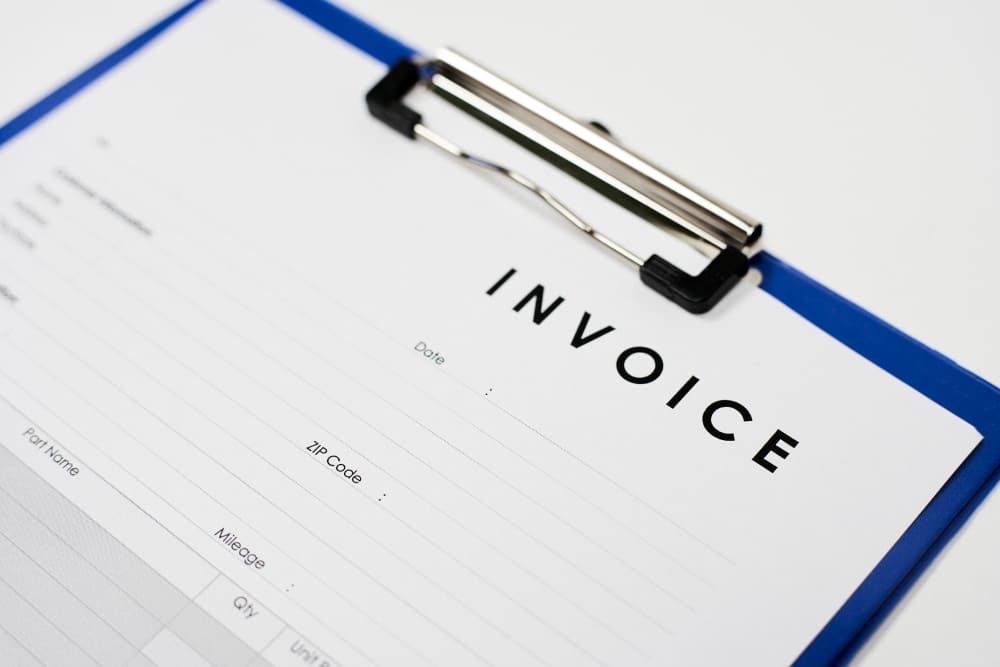
In some situations, businesses are legally required to issue invoices. In other situations, an invoice may not be legally required, but it can still be useful for accounting, tax records, payment tracking, and documenting a transaction.
There is a difference between being legally required to issue an invoice and using an invoice as a standard business record.
Whether an invoice is required may depend on factors such as:
- Whether the customer is a business or consumer
- Whether sales tax, VAT, GST, or another tax applies
- Whether the transaction is domestic or international
- Whether the business is registered for a particular tax
- Whether the industry is subject to specific requirements
- Whether the customer is a government organization
For example, businesses registered for VAT may be subject to specific invoicing requirements. Other businesses may have more flexibility for ordinary transactions.
The applicable rules depend on the jurisdiction and type of transaction.
What Information Should an Invoice Include?
A complete invoice commonly includes information such as:
- Business name and address
- Customer name and address
- Unique invoice number
- Invoice issue date
- Description of products or services
- Quantity and unit price
- Tax information, if applicable
- Total amount due
- Currency
- Payment terms
- Due date
- Payment instructions
However, not every item above is legally required in every situation. Some jurisdictions may require additional information, such as tax identification numbers, VAT or GST registration numbers, specific invoice numbering rules, or wording for tax exemptions or reverse-charge transactions.
Check the requirements of the relevant tax authority or government agency to determine which information is required for your business.
Do Invoices Need a Tax Number?
A business tax identification number is not automatically required on every invoice.
Whether a tax ID, VAT number, GST number, or another registration number must appear may depend on the applicable tax rules and the type of transaction.
Depending on the situation, an invoice may need to include information such as:
- Seller’s tax identification number
- Customer’s tax identification number
- VAT or GST registration number
- Applicable tax rate
- Tax amount
- Reason for a tax exemption, if applicable
Not every business needs to display the same tax information. Requirements can vary based on the customer, transaction, tax registration status, and local rules.
Are Electronic Invoices Legal?
Electronic invoices are widely used by businesses and may be legally accepted in many jurisdictions.
Electronic invoices can take different forms, including:
- PDF invoices
- Email attachments
- Online invoices
- Invoices generated through accounting software
- Structured electronic documents or electronic data exchange documents
However, some countries, industries, or types of transactions may have specific requirements for electronic invoicing. These may include approved formats, digital signatures, electronic reporting, authentication requirements, or specific record-retention rules.
Whether a particular electronic invoice format satisfies applicable requirements depends on the relevant jurisdiction and transaction.
Do Invoices Need to Be Signed?
Most ordinary invoices do not require a handwritten signature. A signature is generally not what makes an invoice legally valid.
However, a signature may be required by:
- A contract
- A customer’s internal policy
- A government purchasing process
- A regulated industry
- A delivery or acceptance procedure
A signature may be used to confirm that a customer received goods, approved services, or accepted a document. A signature on an invoice does not by itself prove that payment has been made.
How Long Should You Keep Invoices?
Businesses should keep invoices and related records for the period required by the applicable tax, accounting, and business record-keeping rules.
The required retention period can vary by jurisdiction, record type, and the rules that apply to the business.
Depending on the applicable requirements, businesses may need to keep records such as:
- Issued invoices
- Received invoices
- Credit notes
- Receipts
- Payment confirmations
- Contracts
- Purchase orders
- Delivery records
- Tax documents
Electronic records should be organized and stored in a way that allows them to be located and reviewed when needed.
Do Invoices Need to Include Payment Terms?
Payment terms are not necessarily a legal requirement for every invoice, but they are important for communicating payment expectations and managing accounts receivable.
Payment information may include:
- Payment deadline
- Payment method
- Late payment policy, if applicable
- Deposit information
- Remaining balance
- Interest or late fee terms, if agreed
When possible, showing the exact due date can make payment expectations clearer than using only terms such as “Net 30” or “Due upon receipt.”
Whether late fees or interest can be charged may depend on the agreement with the customer and applicable law.
What Are the Rules for International Invoices?
International invoices may be subject to additional requirements.
Depending on the countries involved, the type of goods or services, the customer, and the applicable tax rules, you may need information such as:
- Customer tax identification number
- VAT or other tax registration number
- Currency
- Information about the countries involved
- Place of supply, where applicable
- Import or export information
- Shipping details
- Reverse-charge wording, where applicable
- Tax exemption wording, where applicable
- Payment information for international transfers
Tax treatment can differ between domestic and international transactions, as well as between goods, services, digital products, and exported goods.
Do not assume that the invoicing or tax rules for a domestic transaction automatically apply to an international transaction.
Common Invoicing Compliance Mistakes
Businesses can reduce invoicing problems by avoiding issues such as:
- Using an incorrect tax rate
- Leaving out required tax information
- Using duplicate invoice numbers when unique numbering is required
- Altering or deleting an issued invoice without maintaining an appropriate record
- Failing to issue a credit note or other correction document when required
- Storing invoices in an unorganized way
- Sending invoices to the wrong customer
- Applying domestic tax rules to an international transaction without checking the applicable requirements
- Using vague product or service descriptions
A consistent invoicing process can help reduce errors and make financial records easier to manage.
How to Check the Rules for Your Business
Because invoicing requirements vary, use reliable sources when checking the rules that apply to your business.
You can:
- Visit your local tax authority website
- Check official government business guidance
- Review industry-specific requirements
- Ask your accountant or tax professional
- Confirm specific invoicing requirements with your customer when appropriate
- Keep records of the guidance you relied on
Online articles can provide general information, but they may not reflect the rules that apply to your specific location, industry, or transaction.
For tax or legal questions, use official government guidance or consult a qualified professional.
How Invoice Software Can Help
Invoice software can help businesses:
- Create consistent invoice formats
- Add business and tax information
- Generate unique invoice numbers
- Calculate totals and applicable taxes
- Store invoice records
- Send electronic invoices
- Track payment status
- Keep billing documents organized
Invoice Zip helps businesses create professional invoices and manage billing records more efficiently.
Final Thoughts
There is no single set of invoicing rules that applies to every business.
The requirements may depend on:
- Where your business is located
- Where your customer is located
- Whether tax applies
- What you sell
- Your industry
- Whether the transaction is domestic or international
- Whether your business is registered for a particular tax
A well-prepared invoice commonly identifies the parties, describes the transaction, shows the amount due, and provides relevant payment information. However, the specific information that must appear on an invoice depends on the applicable rules.
For tax or legal questions, check the requirements that apply to your business or speak with a qualified professional.
This article provides general information about invoicing and is not legal or tax advice. Invoice requirements vary by jurisdiction and transaction.
Most Popular Pages
Try Invoice Zip Today
Start Sending Invoices, Building Reports, Saving Office
Time and Get Paid Faster.