

How to Become A General Contractor
4min read
|
Aug 25, 2026
Becoming a general contractor is a great way to turn your construction experience into a business opportunity. Whether you are a skilled tradesperson, a construction worker looking to work independently, or someone interested in managing construction projects, becoming a general contractor allows you to take control of your career and income.
However, becoming a general contractor requires more than knowing how to build. You also need to understand licensing, project management, budgeting, client relationships, and business operations.
This guide will walk you through the key steps to becoming a general contractor and building a successful contracting business.

Gain Construction Experience
The first step to becoming a general contractor is building practical construction experience.
Most successful contractors start by learning how projects are planned and completed. Useful experience includes:
- Carpentry and framing
- Plumbing or electrical work
- Remodeling and renovations
- Project management
- Working with subcontractors
Hands-on experience helps you understand labor costs, material requirements, project timelines, and common construction challenges.
However, a general contractor needs more than technical skills. You also need to learn how projects are estimated, scheduled, and managed from start to finish.
Understand What a General Contractor Does
A general contractor is responsible for managing the entire construction process. Instead of completing every task personally, they coordinate workers, materials, budgets, and schedules.
Common responsibilities include:
- Creating project estimates
- Hiring and managing subcontractors
- Communicating with clients
- Ordering materials
- Managing permits and inspections
- Tracking project costs
- Ensuring quality and safety standards
Understanding these responsibilities will help you prepare for the business side of contracting.
Get Your Contractor License and Complete Legal Requirements
Before accepting projects, you need to understand the licensing requirements in your location. Requirements vary depending on your state, city, and type of construction work.
You may need:
- General contractor license
- Business registration
- Contractor exams or certifications
- Construction permits
- Insurance coverage
- Contractor bonds
Getting properly licensed allows you to operate legally and builds trust with potential customers.
Tip: Always check local requirements before starting a project. Working without the proper licenses or permits can result in fines, legal issues, or lost business opportunities.
Choose the Right Business Structure
Once you are ready to operate independently, choose a business structure that fits your goals.
Common options include:
Sole Proprietorship
A simple option for small contracting businesses.
Benefits:
- Easy to set up
- Less paperwork
- Lower startup costs
However, personal and business liabilities are not separated.
LLC
Many contractors choose an LLC because it offers:
- Protection for personal assets
- A professional business structure
- Flexibility as the company grows
Corporation
A corporation may be suitable for larger contracting companies with more employees or investors.
Choosing the right structure can help you manage taxes, liability, and future growth.
Learn How to Estimate Projects and Set Prices
Accurate estimating is one of the most important skills for a general contractor.
A good estimate should include:
- Labor costs (more than just hourly wages — use a labor cost calculator to factor in taxes, benefits, and other employment costs)
- Material costs
- Equipment expenses
- Subcontractor fees
- Project timeline
- Unexpected expenses
- Profit margin
Underestimating costs can reduce your profits or even cause losses. Overpricing projects can make it harder to win jobs.
Tip: Keep records of completed projects and compare estimated costs with actual expenses. This will help you create more accurate bids in the future.
Protect Your Business With Insurance
Construction projects involve risks, so protecting your business is essential.
Common types of insurance include:
- General liability insurance
- Workers’ compensation insurance
- Commercial vehicle insurance
- Equipment insurance
Insurance helps protect your company from unexpected costs caused by accidents, property damage, or workplace injuries.
Many customers also prefer working with contractors who have proper insurance coverage.

Manage Contracts, Invoices, and Payments
A successful contractor needs more than strong construction skills. You also need reliable systems to manage the financial side of your business.
Many contractors struggle with:
- Late payments
- Missing invoices
- Unclear payment schedules
- Tracking project expenses
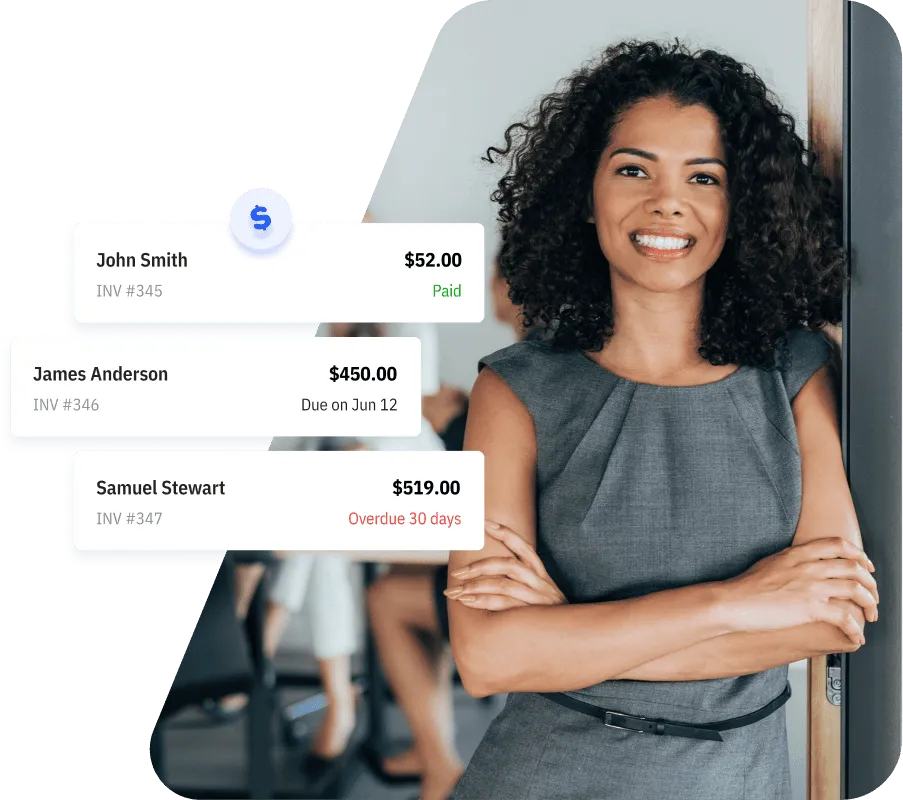
A professional invoicing system can help you:
- Create invoices quickly
- Track unpaid balances
- Send payment reminders
- Keep financial records organized
Using invoice software reduces administrative work and helps you spend more time managing projects instead of chasing payments.
Find Clients and Grow Your Contracting Business
Finding your first clients is one of the biggest challenges when starting a contracting business.
Ways to find customers include:
- Asking previous contacts for referrals
- Building relationships with suppliers and subcontractors
- Creating an online business profile
- Sharing completed project photos
- Networking with real estate professionals
Construction is a trust-based industry. Good communication, reliable work, and professional service can help you build a strong reputation.
As your business grows, you may need to work with:
- Subcontractors
- Laborers
- Project managers
- Designers
- Suppliers
Building a reliable team allows you to take on larger projects and manage more work efficiently.
Conclusion
Becoming a general contractor requires a combination of construction knowledge and business skills.
While technical experience helps you complete projects, successful contractors also know how to manage clients, control costs, organize payments, and build efficient systems.
By gaining experience, completing licensing requirements, learning how to estimate projects, and creating reliable business processes, you can turn your construction skills into a successful contracting business.
The goal is simple: build quality projects, create strong systems, and grow your business one project at a time.
Most Popular Pages


Try Invoice Zip Today
Start Sending Invoices, Building Reports, Saving Office
Time and Get Paid Faster.