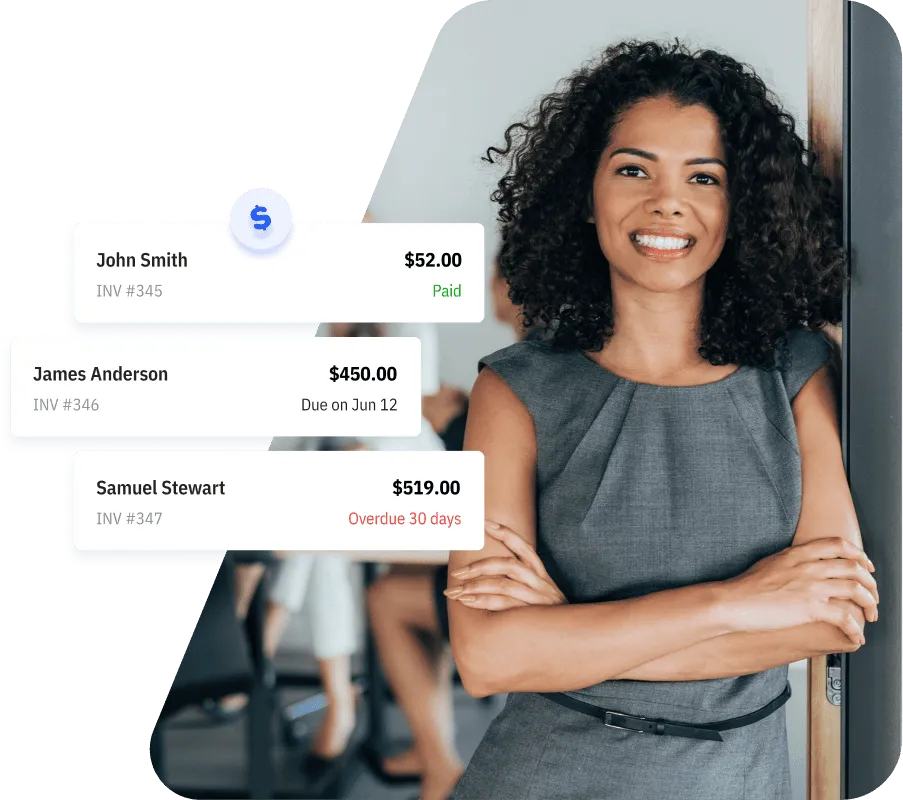


How to Follow Up on Unpaid Invoices
4min read
|
Aug 25, 2026
You've sent the invoice. The work is done. And the due date has come and gone—with no payment in sight.
Following up on unpaid invoices is one of the least enjoyable parts of running a business. But ignoring overdue payments won't make them go away. In fact, the longer an invoice remains unpaid, the more difficult it can become to recover the payment.
The good news is that most late payments aren't intentional. Clients forget. Invoices get buried in email. Approval processes get stalled. With a clear follow-up system, you can improve your chances of getting paid while maintaining strong client relationships.
Here's a practical timeline for following up on unpaid invoices—and how to make the process easier.
Before the Due Date: Send a Friendly Reminder
The best time to follow up on an invoice is often before it becomes overdue.
A simple reminder a few days before the payment deadline can help clients avoid missing the due date. It also gives them a chance to ask questions or resolve any issues before payment is delayed.
Before sending a reminder, double-check that your invoice includes:
- Correct client information
- Invoice number
- Amount due
- Payment deadline
- Clear payment instructions
A clear invoice reduces confusion and makes the payment process easier for both sides.
If a client has questions about the invoice, respond quickly and clarify any confusion. A small issue that is resolved early can prevent unnecessary payment delays.
If a client says they cannot pay on time, ask for a specific new payment date and keep a record of the updated agreement.
1–7 Days Overdue: Send a Polite Follow-Up
Once an invoice becomes overdue, don't wait too long to reach out.
In many cases, the delay is caused by a missed email, an internal approval process, or a simple oversight. A friendly follow-up keeps the payment on the client's radar without damaging the relationship.
Your follow-up should:
- Mention the invoice number
- Confirm the payment due date
- Ask if any additional information is needed
- Include payment details again if necessary
If the client says they never received the invoice, resend it and confirm that they received it.
If the client says the invoice is with accounting, ask whether any additional information is needed and confirm the expected payment timeline.
The goal at this stage is to remove obstacles and keep the payment moving.
1–2 Weeks Overdue: Be More Direct
If there is still no payment after your first reminder, it's time to be more direct.
Instead of sending repeated messages, try to understand what is causing the delay. The client may have a question about the invoice, a problem with the payment process, or simply need more time.
Confirm:
- Whether the invoice was received
- Whether there are any billing issues
- When payment can be expected
If the client provides a payment date, record it and follow up if the deadline is missed.
Clear communication helps prevent small delays from turning into long overdue payments.
30+ Days Overdue: Discuss Next Steps
When an invoice remains unpaid for more than a month, keeping accurate records becomes especially important.
At this stage:
- Review previous communication
- Confirm the outstanding balance
- Document any payment promises or updates
- Decide on the next step
If the client is experiencing temporary difficulties, you may be able to agree on a realistic payment schedule. If there is a dispute about the work or invoice, address the issue directly and confirm any changes in writing.
Keeping a clear record of conversations helps you understand the situation and decide how to move forward.
Keep Your Follow-Up Process Organized
Following up on unpaid invoices becomes much easier when you have a consistent system.
Many small businesses struggle because invoice information is stored in different places:
- Invoices saved in email
- Payment updates tracked manually
- Customer details stored in separate files
When billing information is scattered, it takes more time to know which invoices are unpaid and which customers need follow-up.
Keeping invoice and customer information organized allows you to quickly check payment status and stay on top of outstanding balances.
Make Invoice Follow-Ups Easier with Invoice Zip
Managing unpaid invoices manually can take valuable time away from running your business.
With Invoice Zip, you can:
- Create professional invoices quickly
- Track payment status for each invoice at a glance
- Keep client information organized in one place
- Manage outstanding payments more easily
Instead of searching through emails or spreadsheets to find invoice details, you can keep important billing information organized and accessible.
A clear follow-up process, combined with organized invoice management, helps you spend less time chasing payments and more time focusing on your work.
Most Popular Pages


Try Invoice Zip Today
Start Sending Invoices, Building Reports, Saving Office
Time and Get Paid Faster.