


Invoice vs. Bill: What's the Difference?
4min read
|
Aug 28, 2026
Invoice and bill usually refer to the same basic transaction: a customer owes money for a product or service. The main difference is often the perspective and context in which the word is used.
A business usually sends an invoice to a customer. The customer may refer to that same document as a bill that needs to be paid.
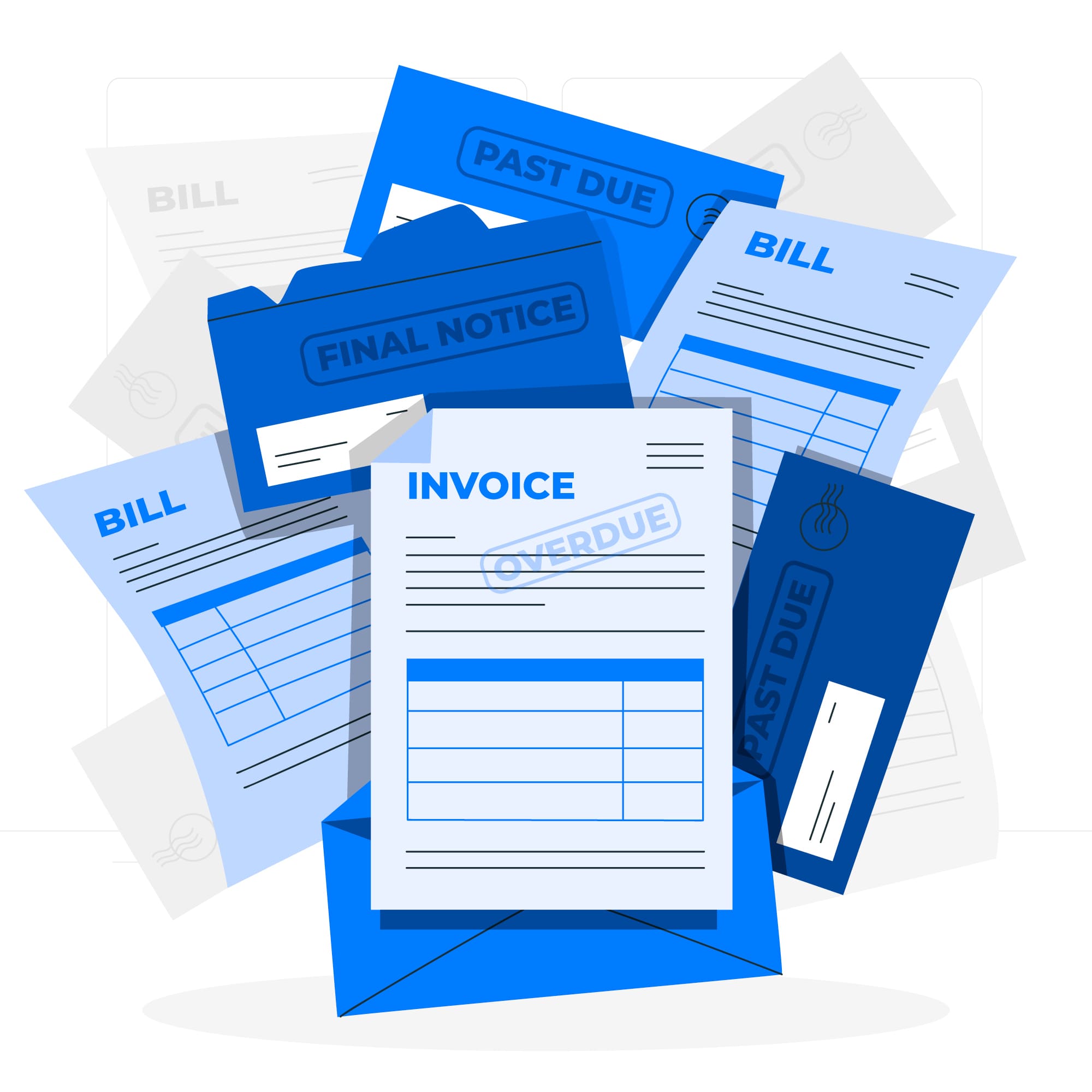
For example, a contractor may send a customer an invoice for $1,500. The customer might simply say, “I need to pay this bill.” The document is the same.
There can be some differences in usage, but in everyday small-business transactions, invoice and bill are often interchangeable.
What Is an Invoice?
An invoice is a document a business sends to a customer to request payment for products or services.
It usually includes details such as:
- Invoice number
- Invoice date
- Customer information
- Products or services provided
- Quantity or hours
- Price
- Taxes or fees
- Total amount due
- Payment terms
- Due date
- Payment methods
For example, a contractor completes a $2,500 remodeling job. The contractor sends the customer an invoice showing the work completed, the amount due, and the payment deadline.
The invoice creates a clear record of the transaction. It also gives the customer the information needed to make the payment.
The word invoice is especially common in business-to-business transactions. A company may invoice another business for consulting, construction, design, transportation, or other services.
What Is a Bill?
A bill is a request for payment for something that has been purchased or received.
The word is much broader than invoice.
A customer might receive a restaurant bill, utility bill, medical bill, or phone bill. In each case, the customer is being asked to pay money that is owed.
Businesses also use the word bill when talking about invoices. A customer might say:
“I received a bill from my contractor.”
The contractor may have actually sent an invoice.
This is why the difference can be confusing. Invoice is often the more specific business term, while bill is the more general term for an amount that needs to be paid.
Invoice vs. Bill: What's the Difference?
The easiest way to understand the difference is to look at who is using the term and why.
| Aspect | Invoice | Bill |
|---|---|---|
| Main purpose | Request payment | Request payment |
| Commonly used by | Businesses and service providers | Businesses and customers |
| Common context | Formal business transactions | Everyday purchases and expenses |
| Includes payment details | Usually | Usually |
| Can refer to the same document? | Yes | Yes |
There is no universal rule that says one document is legally an invoice and another is legally a bill.
In many small-business situations, the two words describe the same payment request from different perspectives.
For example:
Business: “We sent the customer an invoice.”
Customer: “We received a bill from the business.”
Both people can be talking about the exact same document.
When Should a Business Use "Invoice" Instead of "Bill"?
For most businesses, invoice is the better term when creating a formal payment document.
It sounds more specific and professional. It also fits naturally with other business terms such as invoice number, invoice date, invoice terms, invoice due date, and invoice payment.
For example:
Invoice #1048 Service: Commercial landscaping Amount Due: $1,200 Payment Terms: Net 30 Due Date: September 30, 2026
Calling this an invoice makes its purpose immediately clear.
That does not mean using the word “bill” is wrong. A customer may still call the document a bill, and businesses may use “bill” in everyday communication.
For example:
“Your bill is due by September 30.”
There is nothing inherently wrong with that wording.
The difference is mainly one of business terminology and context, not a completely different type of document.
Invoice, Bill, and Receipt Are Not the Same Thing
Invoice and bill are often interchangeable, but receipt has a different purpose.
An invoice generally comes before payment. It tells the customer what they owe.
A receipt generally comes after payment. It confirms that the business received the money.
For example:
Invoice:
“Your total is $800. Payment is due by September 15.”
Receipt:
“We received your $800 payment on September 12.”
This distinction matters for record keeping.
A business may issue an invoice, receive payment, and then provide a receipt. The three stages document different parts of the transaction.
You should not normally use a receipt as a substitute for an unpaid invoice. If a customer still owes money, the business needs a document that clearly shows the outstanding amount and payment terms.
Which One Should You Put on Your Payment Document?
For most small businesses, Invoice is the better label.
It clearly tells the customer that the document is a formal request for payment. It also makes the document easier to distinguish from receipts, estimates, quotes, and other business records.
That said, the label is less important than the information inside the document.
A good invoice should clearly show what was provided, how much the customer owes, and when payment is due. If those details are accurate and easy to find, the customer should not have to guess what the document means.
So, while invoice and bill can mean the same thing in everyday use, “invoice” is generally the more precise term for a business payment document.
Most Popular Pages


Try Invoice Zip Today
Start Sending Invoices, Building Reports, Saving Office
Time and Get Paid Faster.