

Invoice vs. Quote
6min read
|
May 20, 2026
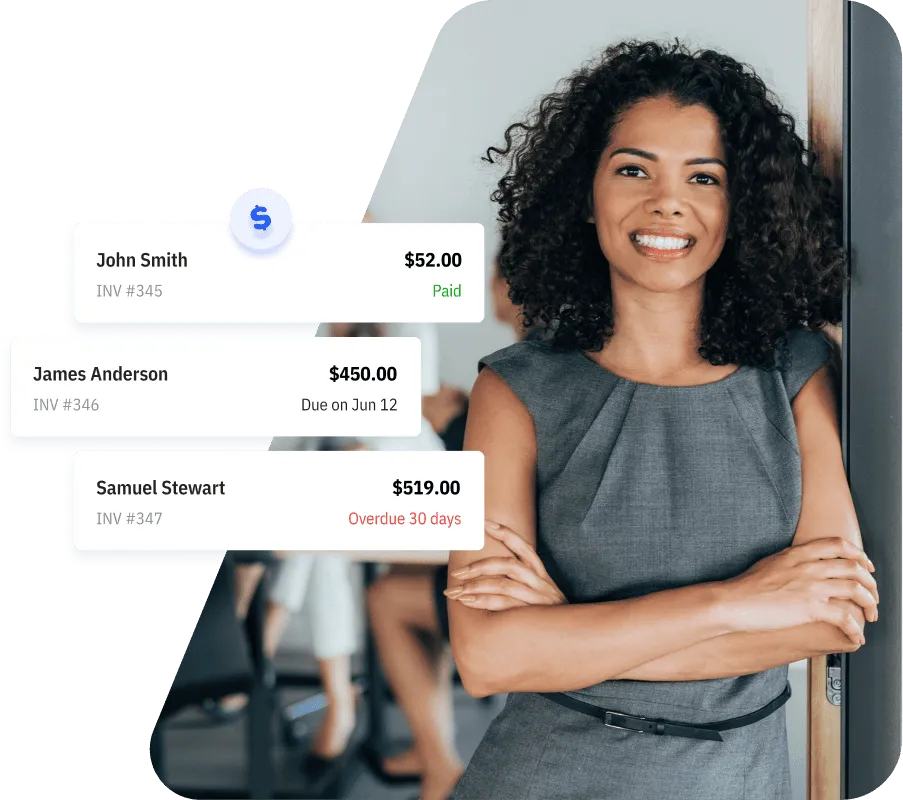
An invoice and a quote are used at different stages of a sale. A quote tells a customer how much a product or service is expected to cost before the work begins or the purchase is made. An invoice tells the customer how much they owe after the price and scope have been agreed upon and the goods or services have been provided.
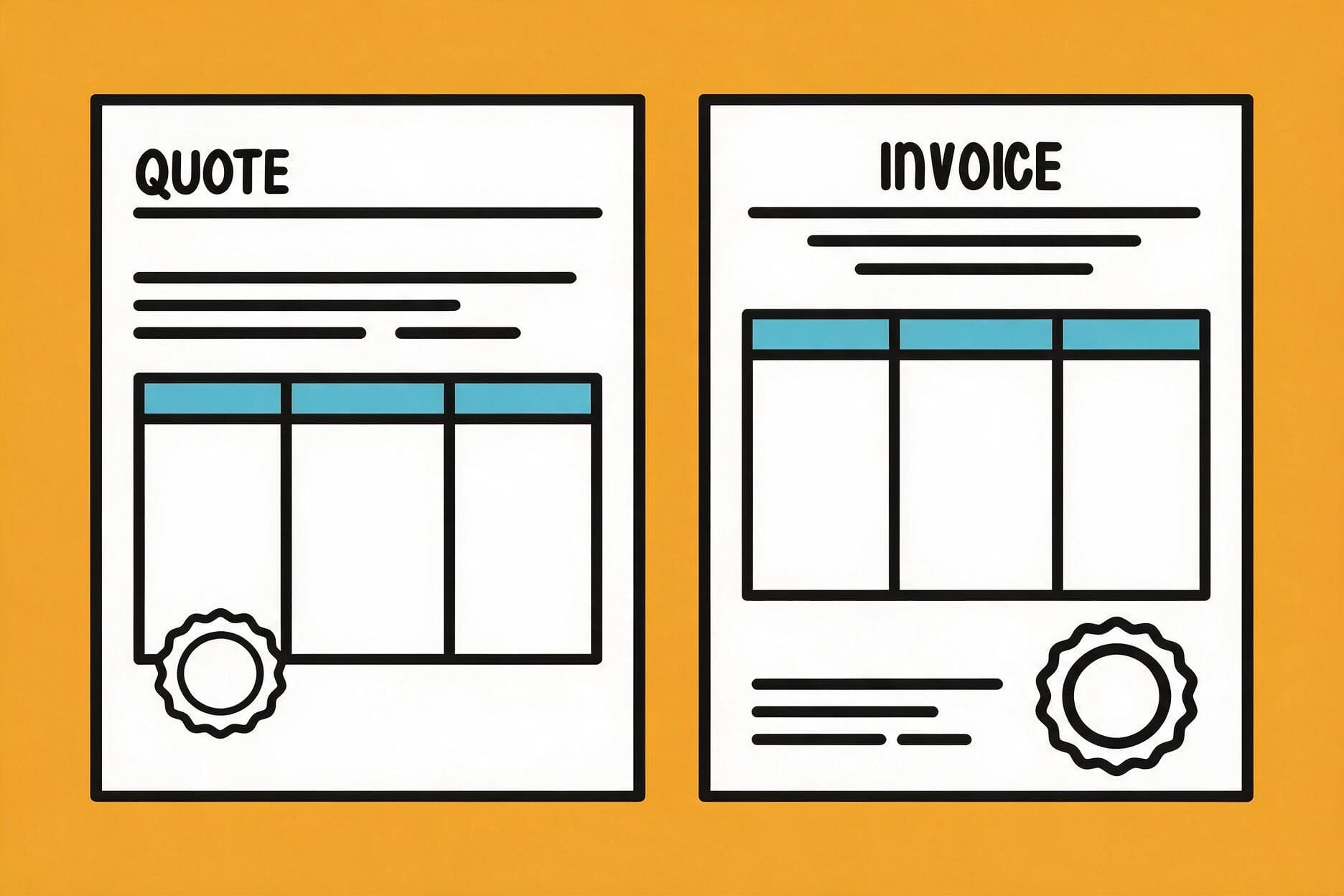
A simple way to remember the difference is:
Quote = What will this cost?Invoice = What do I owe?
For example, a contractor may send a customer a $4,000 quote for a bathroom renovation. Once the customer accepts the quote and the work is completed, the contractor can send an invoice for the amount due.
What Is a Quote?
A quote is a document that gives a customer an expected price for specific products or services.
It is usually prepared before the customer makes a purchase or the business starts the work.
A quote may include the scope of work, materials, quantities, labor rates, estimated taxes, and the total expected price. It can also include a time limit for how long the quoted price remains valid.
For example, a landscaping company might prepare a quote like this:
| Service | Amount |
|---|---|
| Lawn preparation | $600 |
| Plant installation | $1,200 |
| Mulch and materials | $450 |
| Labor | $750 |
| Estimated Total | $3,000 |
The customer can review the quote before deciding whether to move forward.
A quote is not necessarily a request for immediate payment. Its main purpose is to help the customer understand the expected cost and decide whether to approve the work.
What Is an Invoice?
An invoice is a payment document sent by a business to a customer.
It tells the customer what they owe and when payment is due.
An invoice usually includes the invoice number, date, customer information, description of the products or services, amount, payment terms, and due date.
Using the landscaping example, the customer accepts the $3,000 quote and the company completes the work. The business can then send an invoice for the amount that is actually due.
The invoice might say:
Invoice #1045 Landscaping Services: $3,000 Payment Terms: Net 30 Due Date: September 30, 2026
The quote helped the customer decide to buy. The invoice tells the customer to pay.
Invoice vs. Quote: What's the Difference?
The biggest difference is timing and purpose.
| Aspect | Quote | Invoice |
|---|---|---|
| Main purpose | Show expected cost | Request payment |
| Usually sent | Before work or purchase | After agreement or delivery |
| Customer action | Approve or reject | Pay |
| Price | Expected or proposed | Amount being charged |
| Payment due date | May not have one | Usually included |
| Invoice number | No | Yes |
| Can be changed? | Often before approval | Changes should be documented carefully |
A quote answers a question:
“How much will this project cost?”
An invoice answers a different question:
“How much do I owe you?”
This difference becomes particularly important for service businesses. The final invoice may not always match the original quote.
For example, a contractor quotes $5,000 for a project. During the work, the customer asks for an additional $800 of work. If the customer approves the additional work, the final invoice could be $5,800.
The quote established the original expected price. The invoice records the amount the customer is being charged.
Can a Quote Become an Invoice?
Yes. A quote can serve as the starting point for an invoice once the customer accepts the proposed work.
However, the two documents still have different purposes.
A typical process looks like this:
Quote → Customer Approval → Work or Delivery → Invoice → Payment
Some businesses convert an accepted quote directly into an invoice. This can save time and reduce data-entry errors.
For example, a quote might contain:
10 hours of consulting × $100/hour = $1,000
After the customer approves the quote, the business can use the same information to create an invoice.
If nothing changes, the invoice may contain the same $1,000 amount.
If the scope changes, the invoice should reflect the actual amount being charged and clearly document any additional work or charges.
Should You Send a Quote or an Invoice?
Use a quote when the customer is still deciding whether to purchase.
Use an invoice when the customer owes you money.
For example, a freelance designer discussing a new project with a client would normally send a quote first. The client can review the scope, price, and terms before agreeing to the project.
After the work is completed, the designer can send an invoice.
For businesses that require a deposit, the process can be slightly different. A customer may approve a quote and then receive an invoice for the deposit before the work starts. The remaining balance can be invoiced later.
The important thing is to make the purpose of each document clear. Don't use an invoice to present an unapproved price as if the customer has already agreed to it.
What Happens If the Final Price Is Different From the Quote?
This is one of the most important differences between a quote and an invoice.
A quote usually represents the price the business expects to charge based on the information available at the time. If the customer requests additional work, changes the specifications, or circumstances change, the final amount may be different.
For example, a contractor provides a $6,000 quote for a flooring project. The customer later chooses more expensive materials that add $900 to the cost.
The business should communicate the change before simply adding $900 to the final invoice.
A revised quote, change order, or written customer approval can help create a clear record of what changed.
This matters because an invoice should not contain unexpected charges that the customer never agreed to.
What Should a Quote and Invoice Include?
The two documents share some information, but they serve different purposes.
A quote should generally make the proposed transaction easy to understand. It may include:
- Business and customer information
- Quote number
- Date
- Description of products or services
- Quantities
- Proposed prices
- Estimated taxes or fees
- Estimated total
- Quote expiration date
- Terms and conditions
An invoice should focus on the amount the customer needs to pay. It may include:
- Business and customer information
- Invoice number
- Invoice date
- Description of products or services
- Quantities or hours
- Prices
- Taxes and fees
- Total amount due
- Payment terms
- Due date
- Payment methods
The exact information needed can vary by business and jurisdiction.
The simplest way to think about the two documents is that a quote helps close the sale, while an invoice helps collect the money.
Once a customer accepts a quote, keep the approved version for your records. When you later create the invoice, make sure the charges match the agreed scope or clearly explain any approved changes.
Most Popular Pages


Try Invoice Zip Today
Start Sending Invoices, Building Reports, Saving Office
Time and Get Paid Faster.