


Invoice vs Receipt: What's the Difference
6min read
|
Aug 25, 2026
Imagine you've just finished a project for a client. You send an invoice requesting payment, and a few days later the client pays in full. They then ask for a receipt—but you send the invoice again.
This is a common mistake, especially among freelancers, contractors, and small business owners who manage their own paperwork.
The client is not asking for another invoice. They need proof that the payment has already been completed.
While invoices and receipts are both important business documents, they serve different purposes and are used at different stages of a transaction.
Understanding the difference can help you communicate more clearly with customers, keep accurate financial records, and maintain a smoother payment process.
In this guide, we'll explain what invoices and receipts are, how they differ, when to use each one, and how businesses—especially contractors—can use them to stay organized.
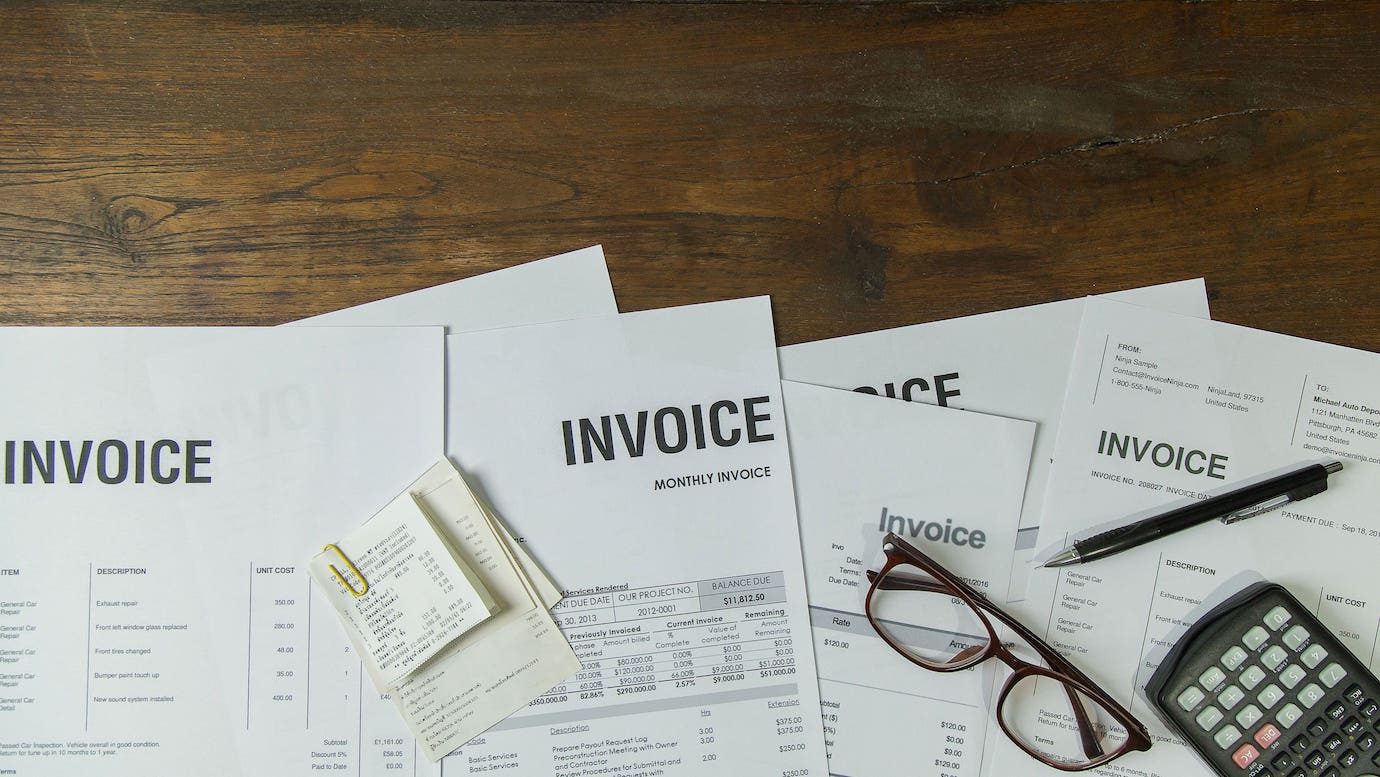
What Is an Invoice?
An invoice is a document sent to request payment for products or services that have been provided or agreed upon.
It tells the customer what they need to pay, what the payment covers, and when payment is expected.
A typical invoice includes:
- Invoice number
- Business and customer details
- Products or services provided
- Quantity or hours of work
- Total amount due
- Payment terms and due date
- Accepted payment methods
For example, after completing a home renovation project, a contractor may send an invoice showing labor costs, material costs, project details, and the final amount the homeowner owes.
An invoice does not prove that payment has been completed. It only records the amount requested from the customer.
What Is a Receipt?
A receipt is a document issued after payment has been received. It confirms that a customer has completed a transaction.
A receipt typically includes:
- Receipt number
- Payment date
- Amount paid
- Payment method
- Business and customer details
- Related invoice number
For example, after a homeowner pays a contractor's renovation invoice, the contractor can provide a receipt confirming that the $8,000 payment was received.
A receipt serves as proof of payment for both the customer and the business.
Invoice vs. Receipt: Key Differences
Although invoices and receipts often contain similar information, they are used at different stages of the payment process.
| Feature | Invoice | Receipt |
|---|---|---|
| Purpose | Request payment | Confirm payment |
| Issued | Before payment | After payment |
| Payment status | Payment is due | Payment has been received |
| Main function | Records money owed | Records money paid |
| Used by | Seller and customer | Seller and customer |
The easiest way to remember the difference is: An invoice asks for payment. A receipt confirms payment.
Why the Difference Matters
Understanding the difference between invoices and receipts isn't just about terminology. Using the correct document at the right time can improve your business operations.
Clear Communication with Customers
Sending the appropriate document helps customers understand exactly where they are in the payment process. An invoice tells them payment is expected, while a receipt confirms that the payment has been received.
More Accurate Financial Records
Invoices help track outstanding payments, while receipts document completed transactions. Keeping both documents organized makes it easier to monitor cash flow and find records when needed.
Easier Bookkeeping and Tax Preparation
Well-organized invoices and receipts create a complete history of every transaction. This can simplify bookkeeping, support tax reporting, and make it easier to respond to customer or accountant questions.
Invoice vs. Receipt Example for Small Businesses
Understanding the difference between invoices and receipts becomes easier with a real business example.
Imagine a contractor completes a bathroom renovation project for a homeowner. The total project cost is $8,000.
Before receiving payment, the contractor sends an invoice that includes:
- Project description: Bathroom renovation
- Labor costs: $5,000
- Material costs: $3,000
- Total amount due: $8,000
- Payment deadline: August 15
The invoice tells the customer how much they need to pay and when payment is expected.
After the homeowner pays the full amount, the contractor provides a receipt that confirms:
- Payment received: $8,000
- Payment date: August 10
- Payment method: Bank transfer
- Related invoice number
The receipt shows that the transaction has been completed.
In this example:
- The invoice helps the contractor collect payment.
- The receipt helps both parties confirm that payment was completed.
Keeping both documents creates a clear record from the beginning of the transaction to the final payment.
Do You Need Both an Invoice and a Receipt?
In most cases, businesses should keep records of both invoices and receipts because they serve different purposes.
The typical payment workflow looks like this:
- Create an invoice when requesting payment from a customer.
- Receive and record payment when the customer pays.
- Issue a receipt or payment confirmation to document the completed transaction.
For example, a business may send an invoice after providing a service. Once the customer pays, the business provides a receipt showing the amount paid, payment date, and related invoice number.
Together, these documents create a complete record from the original payment request to the final transaction.
How Contractors Use Invoices and Receipts Throughout a Project
For contractors, invoices and receipts are used at different stages of a project to manage payments, maintain cash flow, and keep accurate financial records.
Before Work Begins: Deposit Invoices
After a project is approved, contractors often send deposit invoices before work begins. These deposits help cover early project costs such as:
- Materials
- Equipment
- Scheduled labor
- Other upfront expenses
A deposit invoice should clearly include:
- Project details
- Deposit amount
- Payment deadline
- Accepted payment methods
For example, a contractor starting a kitchen renovation may request a 30% deposit before ordering materials. The deposit invoice explains the amount due and creates a clear record of the customer's payment obligation.
During the Project: Progress Invoices
For larger projects, contractors may use progress invoices to request payments at different milestones instead of waiting until the entire project is completed.
Progress invoices can be used for completed stages such as:
- Foundation completed
- Framing finished
- Electrical or plumbing installation completed
- Final inspection completed
This approach helps contractors maintain cash flow while allowing customers to understand what each payment covers.
Each progress payment can have its own invoice, creating a clear financial record of the project's progress.
After Payment: Receipts Confirm Completed Transactions
After receiving payment, contractors should issue receipts to confirm that the transaction has been completed.
Receipts help:
- Customers keep proof of payment
- Contractors maintain accurate financial records
- Both sides avoid future payment disputes
For example, if a homeowner later questions whether a payment was made, the invoice shows the original amount requested, while the receipt confirms that the payment was received.
Using invoices throughout the payment process and receipts after payment creates a clearer and more professional billing workflow for contractors and customers.
Common Mistakes to Avoid
Using an Invoice as Proof of Payment
An invoice requests payment, but it does not confirm that payment has been received. If a customer needs proof of payment, always issue a receipt.
Forgetting to Issue a Receipt
Once a payment is received, sending a receipt confirms the transaction is complete and provides both you and your customer with a clear payment record.
Mixing Up Invoice and Receipt Records
Keeping invoices and receipts in separate or unorganized files can make it difficult to track payments and find transaction records. Organizing related documents together helps simplify bookkeeping and resolve customer questions more quickly.
Conclusion
Invoices and receipts are both essential business documents, but they serve different purposes.
An invoice requests payment and records what a customer owes. A receipt confirms that payment has been received and documents the completed transaction.
For contractors, freelancers, and small business owners, using both documents correctly creates a more organized payment process, improves communication with customers, and makes bookkeeping easier.
Whether you manage a single client project or hundreds of transactions, keeping invoices and receipts organized helps you maintain accurate financial records and run your business more efficiently.
Most Popular Pages


Try Invoice Zip Today
Start Sending Invoices, Building Reports, Saving Office
Time and Get Paid Faster.