

Payment Processing Trends
6min read
|
Aug 28, 2026
Payment processing is changing, but most small businesses don't need to chase every new payment method. The biggest shift is toward faster, more digital, and more flexible ways to pay.
Cards remain a major part of everyday payments, while digital wallets, ACH, contactless payments, and real-time payments continue to grow. Businesses are also paying more attention to fraud prevention and to how payment processing fits into invoicing and accounting workflows.
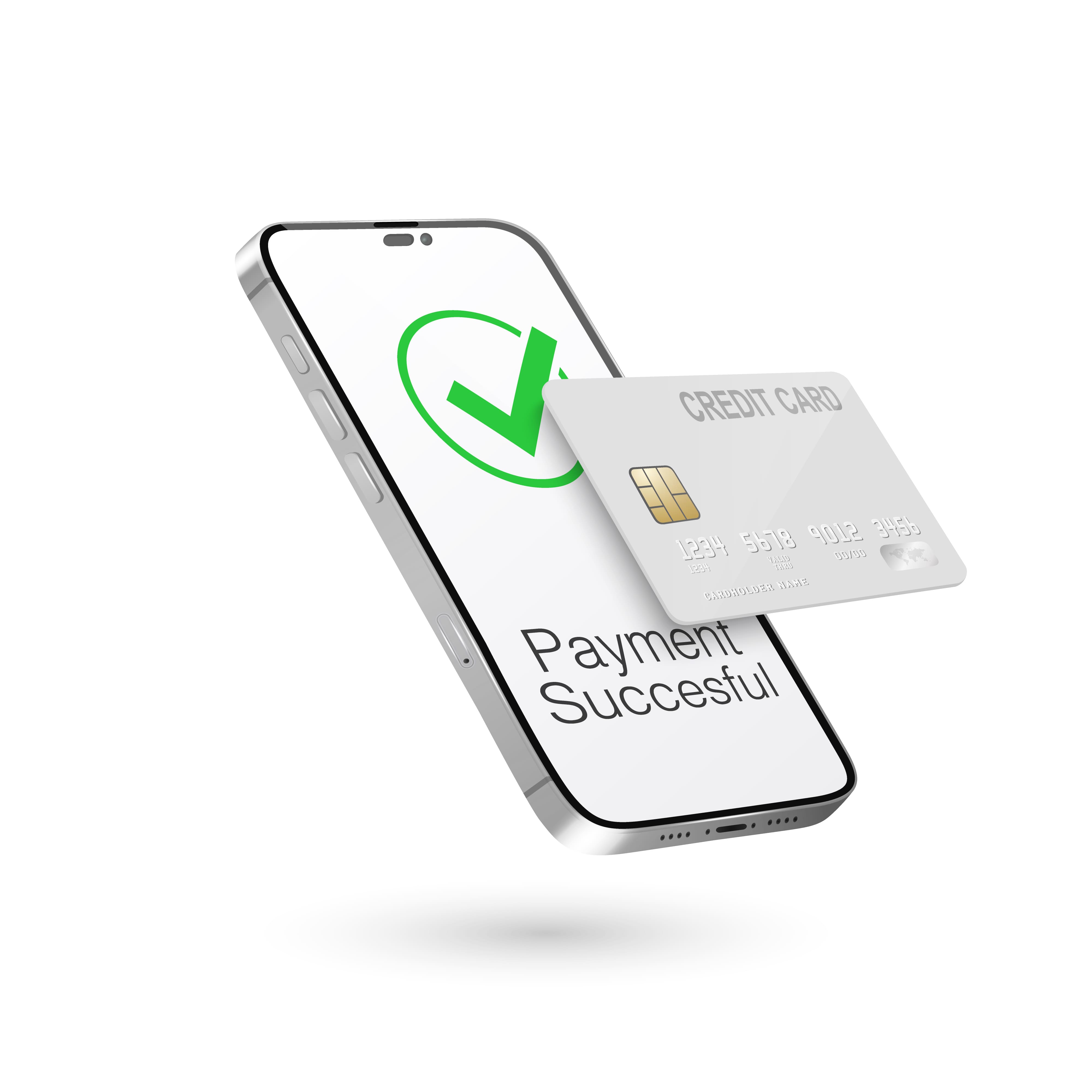
For a small business, the practical question is not which payment technology is newest. It's whether customers can pay an invoice easily, whether the money reaches the business quickly, and whether the cost and risk make sense.
Digital Payments Are Becoming the Default
Paper checks and cash have not disappeared, but more payments are moving through digital channels.
In the U.S., credit and debit cards accounted for about two-thirds of consumer payments in 2026, while cash represented about one in seven payments. Consumers made an average of 47 payments per month, including 16 credit card payments and 15 debit card payments.
For a small business, this changes what customers expect when they receive an invoice.
Someone who receives an invoice by email may not want to print it, write a check, and mail it back. They may expect to click a payment link and finish the transaction in a few seconds.
That does not mean every business needs to stop accepting checks. Some customers still prefer them, especially in B2B transactions. The point is that digital payment should be easy to find and easy to use.
This is especially important for businesses that send invoices regularly. The invoice is no longer just a record of what the customer owes. It can also be the starting point for the payment itself.
Digital Wallets and Contactless Payments Keep Growing
Digital wallets such as Apple Pay and Google Pay have become a normal part of the checkout experience.
They let customers pay using stored card or bank information instead of manually entering payment details each time. Contactless cards work in a similar way at physical locations.
Digital wallets have become particularly important for mobile payments. Shopify's 2026 small-business payment review notes that digital wallets' share of U.S. in-store spending has grown substantially over the past decade.
For businesses that take payments in person, contactless payment can make checkout faster.
For businesses that invoice customers online, wallet support can also reduce the number of steps between opening an invoice and completing payment.
This matters because every extra step creates another opportunity for a customer to postpone payment.
A customer may be willing to pay a $300 invoice immediately when the payment button is right there. If paying requires finding bank information, logging into another service, or mailing a check, the same invoice may sit unpaid for days.
ACH and Faster Bank Payments Are Growing
ACH is not new, but it continues to become more important for business payments.
In the second quarter of 2026, the ACH Network processed 9.3 billion payments worth $25.9 trillion. Same Day ACH volume increased nearly 30% year over year, while B2B ACH payments grew almost 10%.
That growth makes sense for businesses.
ACH payments can be useful for larger invoices, recurring payments, vendor payments, and other transactions where a credit card may not be the preferred option.
Same Day ACH is also changing the role of bank transfers. It gives businesses a way to move money faster without relying entirely on traditional card networks.
For a small business that regularly sends invoices, this can be particularly useful when customers want to pay directly from a bank account.
The trend is not simply "ACH is replacing cards." Cards remain extremely important. Instead, businesses are giving customers more than one practical way to pay.
Real-Time Payments Are Moving Into Business Payments
Real-time payments are another area to watch.
Systems such as The Clearing House's RTP network and the Federal Reserve's FedNow Service allow payments to move much faster than traditional bank transfers.
In a 2026 survey of midsize companies, RTP was the most widely used instant payment network among respondents that used instant payments. Transaction speed was one of the main reasons businesses adopted these systems.
The value for small businesses is straightforward: faster access to money can improve cash flow.
If a customer pays an invoice and the business can access the funds almost immediately, there is less waiting between sending the invoice and having usable cash.
But adoption is still uneven. Not every customer, bank, or payment system supports the same options.
So real-time payments are better viewed as an expanding option rather than something every small business needs to adopt immediately.
Payment Security Is Becoming Part of the Payment Experience
More payment options also create more opportunities for fraud.
Businesses now have to think about more than whether a payment went through. They also need to consider whether the transaction is legitimate, whether payment information is protected, and whether unusual activity can be detected quickly.
Businesses are increasingly using tools such as two-factor authentication, transaction monitoring, and machine-learning-based fraud detection. A 2026 Citizens survey found that midsize companies using machine learning and AI for fraud mitigation reported lower incidences of fraud.
For small businesses, security does not have to mean building a complicated fraud system.
Basic steps still matter:
- Use a reputable payment processor.
- Keep payment pages secure.
- Don't collect more payment information than necessary.
- Use strong account security.
- Watch for unusual payment activity.
- Be careful with requests to change bank details.
Invoice fraud is another concern. A fake email asking a customer to send payment to a new bank account can look surprisingly convincing.
As payment becomes faster, the ability to verify where the money is going becomes more important.
Payment Processing Is Becoming Part of the Invoicing Workflow
One of the biggest changes is not a new payment method at all.
It is the connection between invoicing, payment processing, accounting, and cash flow.
A few years ago, a business might create an invoice separately, send it by email, wait for a payment, and then manually update its records.
Today, those steps can happen much closer together.
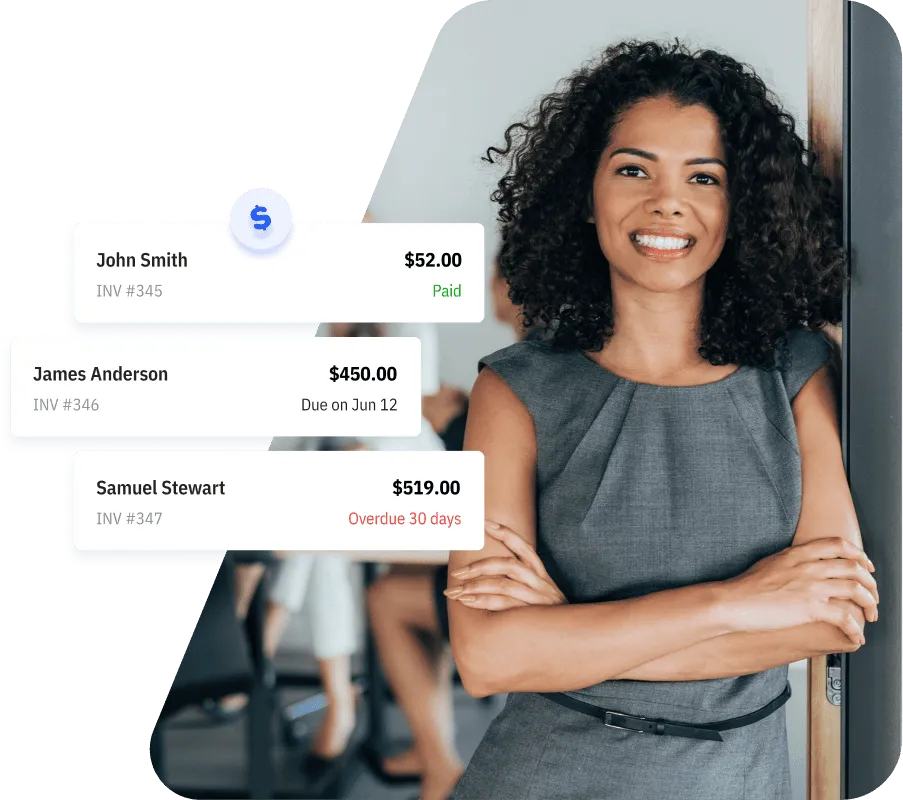
A customer receives an invoice, chooses a payment method, pays online, and the payment status can be updated automatically.
This reduces manual work and makes it easier to see which invoices are:
- Sent
- Viewed
- Paid
- Partially paid
- Overdue
It also gives the business a clearer picture of its accounts receivable.
That matters more than simply offering the newest payment technology. A payment method that looks impressive but creates more reconciliation work may not actually help a small business.
The better setup is the one that makes the whole process easier: create the invoice, give the customer a convenient way to pay, record the payment, and keep track of the remaining balance.
For most small businesses, that is where payment processing is heading. Cards will remain important. ACH and faster bank payments will continue to grow. Digital wallets and contactless payments will become more normal. Real-time payments will expand as more banks and businesses support them. And the connection between invoices and payments will become tighter.
The goal isn't to accept every possible payment method. It's to give customers a few convenient choices while keeping fees, fraud risk, and cash flow under control.
Most Popular Pages

Try Invoice Zip Today
Start Sending Invoices, Building Reports, Saving Office
Time and Get Paid Faster.