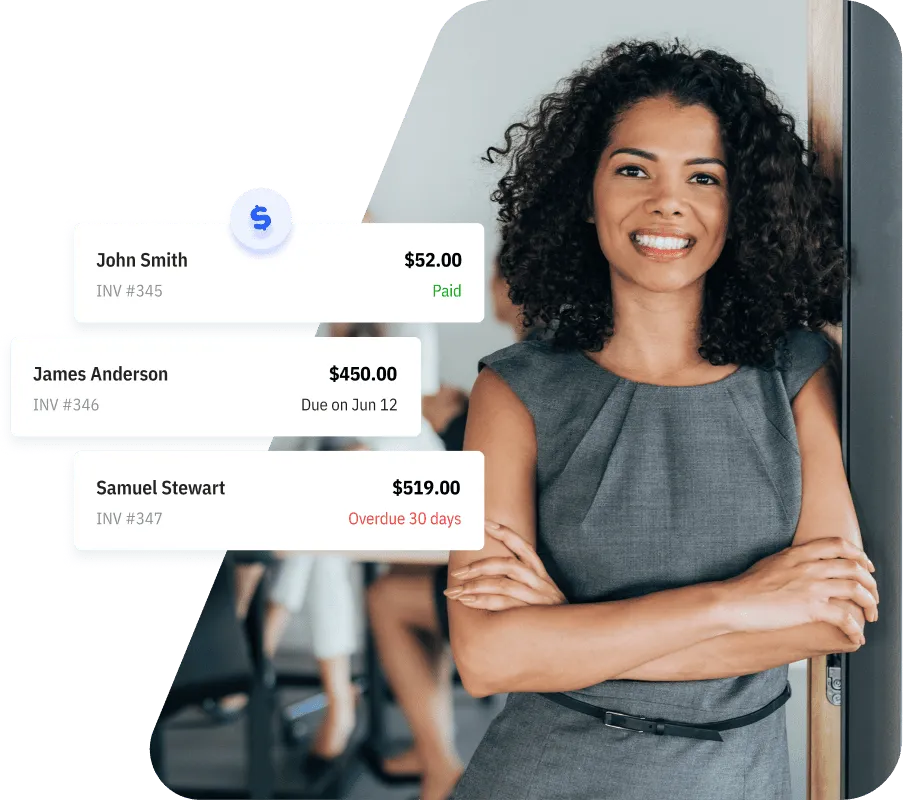


What Is an Invoice
You did the work. Now comes the paper that actually gets you paid — or doesn't. An invoice is the document that turns a finished job into money in your bank account. Get it right and you get paid faster; get it wrong and you're stuck chasing a client who "never got the bill."
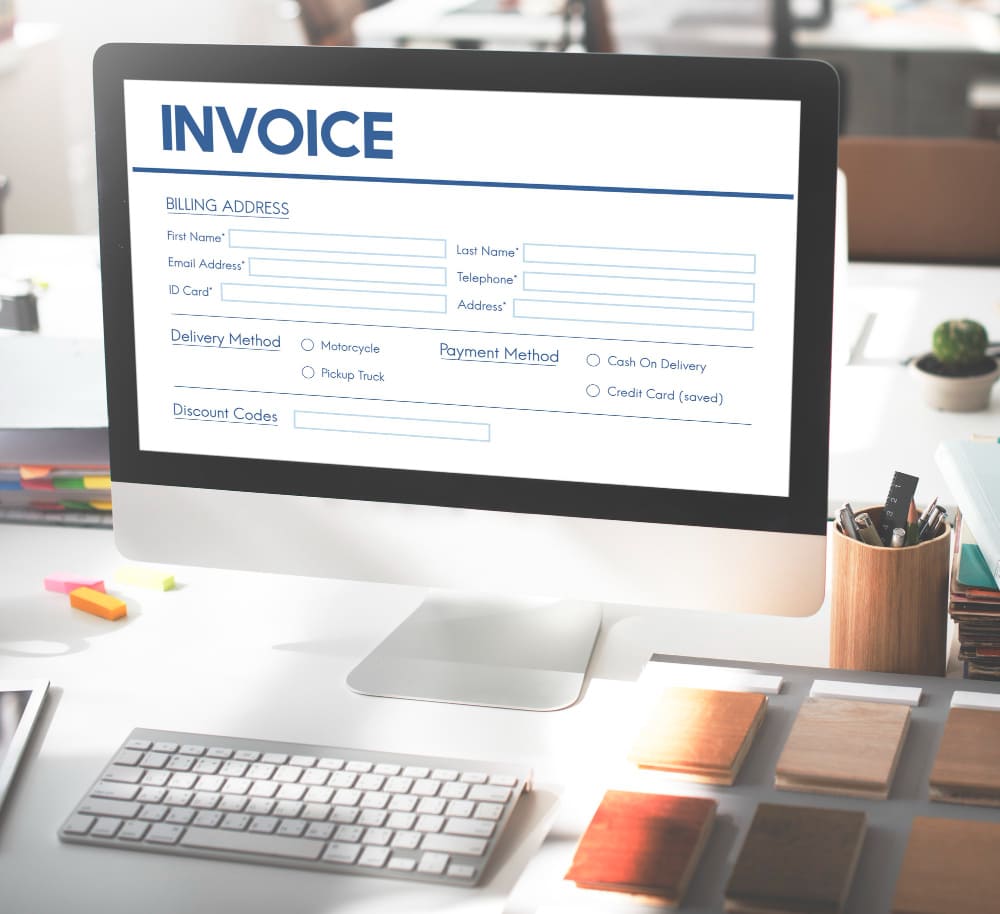
What an Invoice Actually Is
An invoice is the formal request for payment you send after delivering goods or services. It's also a legal record of the transaction — what was sold, how much is owed, and when it's due. The seller calls it an invoice; the buyer calls it a bill. It is not a receipt: a receipt proves payment was already made. Invoices matter because they track income, manage cash flow, and meet tax obligations. They are the backbone of your accounts receivable — the asset representing money clients still owe you — and the audit trail that proves the work and price if a dispute arrives.
Invoice vs Quote vs Receipt vs Statement vs Credit Note
Here is the clean breakdown of documents that look similar but do very different jobs:
- Quote / estimate: sent before any work, a proposal — not a request for payment.
- Invoice: sent after delivery, a formal payment request and legal record.
- Receipt: sent after payment, proof that money changed hands.
- Proforma invoice: sent before delivery, a preview formatted like an invoice — not a demand for payment.
- Statement: a running summary of all open and paid invoices for a client over a period — not a new charge.
- Credit note: reduces or cancels an amount on an invoice you already issued.
In one line: a quote opens the conversation, an invoice requests payment, a statement reminds of the running balance, a receipt confirms it, and a credit note corrects it. The difference that trips people up is timing and legal effect. An invoice creates a debt the moment you send it; a receipt extinguishes it; a statement just lists what's open. A credit note never stands alone — it references the invoice it fixes.
Anatomy of a Correct Invoice
A missing field is the #1 reason an invoice gets delayed. Build yours like this:
| Field | Why it matters | Common mistake |
|---|---|---|
| Invoice number | Creates the audit trail and proves sequence to tax authorities. | Restarting at 001 each year, creating duplicate numbers. |
| Issue & supply dates | Defines when the payment clock starts and what period is billed. | Leaving the supply date blank on dated work. |
| Seller & buyer details | Identifies both parties for legal and tax purposes. | Using only a first name, no address. |
| Line items | Shows exactly what was delivered, with qty and unit price. | Lumping everything into one "services" line. |
| Subtotal, tax, total | States the exact amount due and the tax collected. | Forgetting to add sales tax or showing tax twice. |
| Payment terms | Sets the due date and accepted methods. | Writing "Net 30" but no actual due date. |
| Tax ID / registration | Required on a valid tax invoice in many jurisdictions. | Omitting it on cross-state or VAT sales. |
What Every Invoice Must Include
- A unique, sequential invoice number — sequential numbering creates an audit trail and avoids the duplicate-or-skipped gaps that trigger questions at tax time.
- The invoice date and the supply date (when the work was done).
- Your business name, address, and contact details.
- The customer's name and address.
- A clear description with quantity and unit price for each item.
- Subtotal, tax, and total amount due.
- Payment terms (Net 30, due on receipt) and accepted payment methods.
Types of Invoices
- Standard invoice: the most common type, sent after delivery.
- Proforma invoice: sent before delivery as a preview (not a payment demand).
- Recurring invoice: issued automatically at set intervals for ongoing services.
- Credit note: reduces or cancels an amount on an invoice already sent.
- Timesheet / milestone invoice: common for contractors billing by phase or hour.
Why Invoices Matter More Than You Think
They track income, cash flow, and tax — and they're your professional front door. The stakes are real: the Federal Reserve's 2024 Small Business Credit Survey found that more than half of small firms — 56% — cited paying operating expenses as a financial challenge, and 51% struggled with uneven cash flow; late and unpaid invoices feed both. The Federal Reserve's 2024 Report on Payments adds that roughly four of every five small firms face payments-related challenges, and that slow-paying customers are a common problem for firms that bill after delivery — which is exactly how most contractors work. A clean, complete, promptly-sent invoice is your first line of defense.
The cost of a slow invoice is invisible but real. Every day an unpaid balance sits open, you're effectively lending the client money at zero cost to them, while your own bills — materials, fuel, payroll — come due on someone else's clock. Closing that gap by even a week compounds across the year.
Invoice Terms Decoded: Net 7 vs Net 30
Payment terms are the single biggest lever on your cash flow. Net 7 means pay within 7 days; Net 30 gives a full month. That gap is money sitting in their account, not yours. For project-based contractors — construction, plumbing, electrical — longer terms hurt because you've already paid for labor and materials while the client holds your cash. Atradius's 2025 U.S. Payment Practices Barometer found that bank credit is the dominant tool B2B suppliers use to bridge liquidity gaps, relied on by 68% of them — the kind of dependence longer customer terms push you into. Shorter terms (Net 7 or due-on-receipt) shrink your receivables aging and protect borrowing capacity. If a client insists on Net 30, ask for a deposit up front.
How to Get Invoices Paid Faster
Send the invoice the moment the job is done — waiting even a few days lets it sink to the bottom of the client's pile. Offer online payment so clients can pay in seconds instead of mailing a check. Turn on automatic reminders so a forgotten bill gets a nudge without you making the call. And keep terms short: Net 7 shrinks your receivables aging far more than Net 30. These habits matter because late payment is the norm, not the exception — Atradius's 2025 U.S. Payment Practices Barometer found overdue invoices affect 43% of credit-based B2B sales, with average terms of 45 days from invoicing. The faster and more payable your invoice, the less time you spend chasing it.
When an Invoice Goes Wrong: Disputes & Fixes
Even a perfect invoice sometimes gets challenged. Common triggers: a line item the client didn't recognize, a mismatch with their PO number, or a disputed quantity. When a client disputes an invoice, don't argue in email threads — pull the signed work order, photos, or timesheet that proves delivery, and respond with the evidence. If the amount is wrong, issue a credit note referencing the original rather than deleting it.
Choosing the Right Invoicing Setup
There is no single "correct" way to invoice — the right setup depends on your volume, your trade, and how much admin you can stand. A one-person contractor sending a handful of bills a month can do well with a simple spreadsheet plus a clean template. A crew billing weekly across multiple job sites needs repeatable numbering, consistent line-item formatting, and a predictable place to store each document. The common thread is discipline: pick a system that makes a complete, correctly numbered invoice the easy default, not the exception. Whatever you choose, standardize the layout once so every invoice looks professional and captures the same fields — that consistency is what keeps clients paying without questions and keeps your books audit-ready.
Invoicing and Your Taxes
Your invoices are the backbone of your taxable income record. The IRS expects consistent, sequential documentation of revenue, and a gap-filled numbering system draws scrutiny. Keep copies of every invoice and receipt for at least three years (the standard IRS audit window). If you're unsure which fields your state requires on a valid tax invoice, or how to handle sales tax on out-of-state jobs, confirm with a CPA or the IRS directly — rules vary by jurisdiction.
For your own billing, start with the free invoice generator to turn a job into a clean, professional invoice in minutes. When you want those invoices stored, numbered, and tracked against payment instead of sitting in your downloads folder, Invoice Zip keeps the whole record in one place.
Frequently Asked Questions
What is an invoice?
An invoice is a formal request for payment you send after delivering goods or services. It's also the legal record of the transaction and the basis for your accounts receivable.
Invoice vs quote vs receipt vs statement?
A quote estimates price before work. An invoice requests payment after. A receipt confirms it was paid. A statement lists all open balances but creates no new charge.
What must an invoice include?
A sequential number, invoice and supply dates, both parties' details, a clear description with quantities and prices, the amount due, and your payment terms.
Should I number invoices by year?
Yes — a pattern like 2026-001 keeps sequences unique across tax years and avoids duplicate numbers that confuse clients and auditors. Never reuse a number.
What if a client disputes an invoice?
Gather proof of delivery (signed order, photos, timesheet), respond with the evidence, and if you were wrong, issue a credit note. Never delete a disputed invoice — correction, not deletion, keeps records clean.
Is an invoice legally required?
It's a legal record of the sale, and tax invoices carry mandatory fields by jurisdiction. Missing them can create compliance problems at audit time.
How do I get paid faster?
Invoice immediately on completion, offer online payment, switch on automatic reminders, and use shorter terms like Net 7 instead of Net 30. Speed is a choice you make on every invoice.
Most Popular Pages

Try Invoice Zip Today
Start Sending Invoices, Building Reports, Saving Office
Time and Get Paid Faster.