


What Is an Itemized Receipt
7min read
|
Sep 24, 2026
An itemized receipt is a record that breaks down a purchase or service into individual items, showing what was purchased, how much each item cost, and the total amount paid. Unlike a basic receipt that may only show a total, an itemized receipt provides a detailed record of the transaction.
For small businesses and contractors, itemized receipts can make it easier to track expenses, organize bookkeeping records, document purchases, and resolve questions about charges.
What Does an Itemized Receipt Look Like?
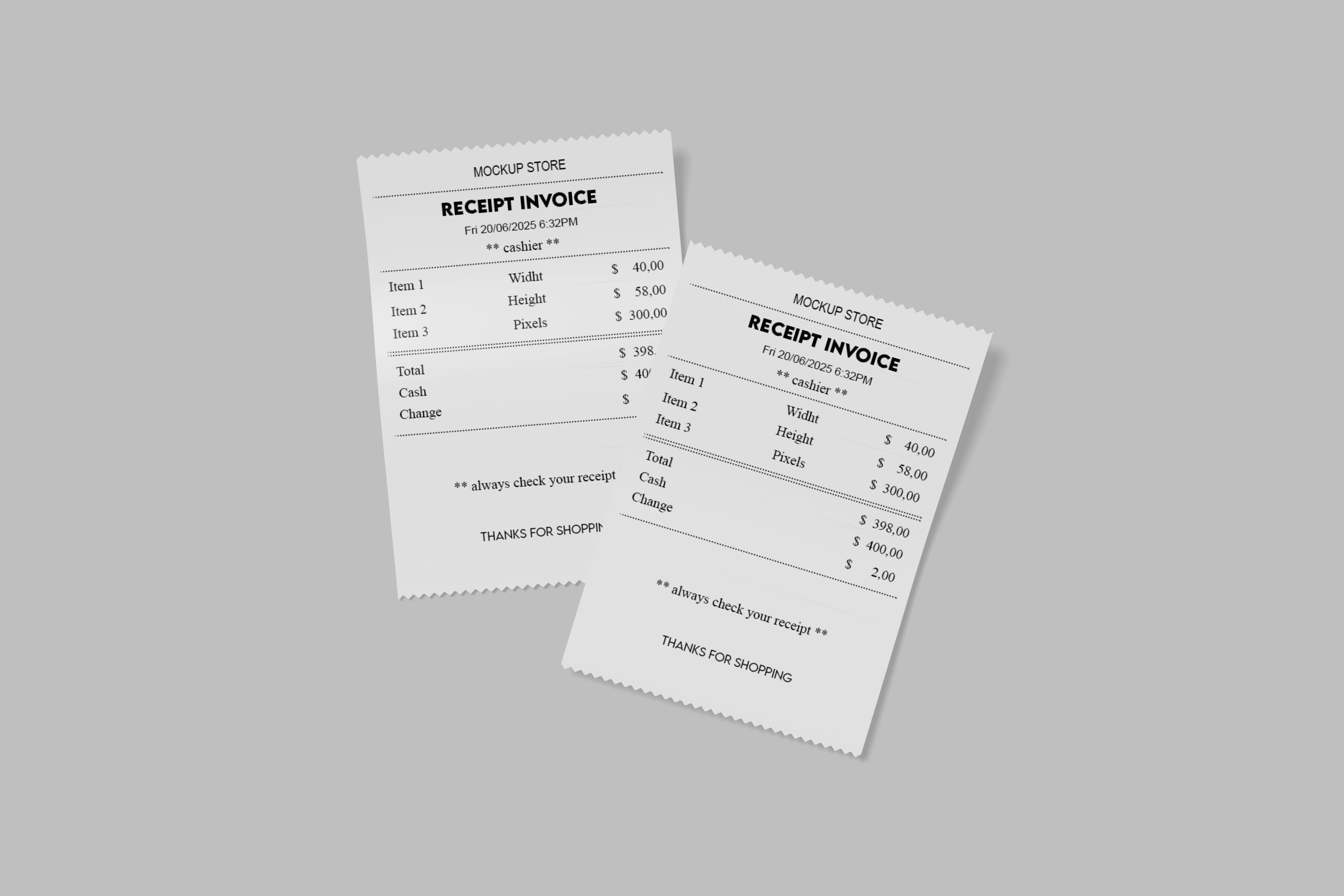
An itemized receipt lists each product, service, or charge separately instead of combining everything into one total.
For example, an electrician who purchases materials for a job might receive an itemized receipt like this:
| Item | Quantity | Price |
|---|---|---|
| Electrical cable | 2 | $48.00 |
| Circuit breakers | 3 | $75.00 |
| Wire connectors | 1 | $12.00 |
| Electrical tape | 2 | $8.00 |
| Subtotal | $143.00 | |
| Sales tax | $12.87 | |
| Total | $155.87 |
The receipt may also include the business name, transaction date, payment method, and other transaction details.
For a service business, an itemized receipt can also show individual services or charges. For example, a cleaning company might list labor, cleaning supplies, and additional services separately rather than showing only one combined amount.
The exact format varies by business, but the purpose is the same: to show exactly what the customer paid for.
What Information Does an Itemized Receipt Include?
There is no single format that every business must use, but a useful itemized receipt generally includes enough information to identify the transaction and understand the individual charges.
Common details include:
- Business name and contact information
- Receipt number or transaction number
- Date of purchase or service
- Customer name or information, when applicable
- Description of each item or service
- Quantity
- Price per item or service
- Discounts, if applicable
- Subtotal
- Taxes or other charges
- Total amount paid
- Payment method
For service businesses, descriptions should be specific enough to explain what was provided. Instead of simply writing “Services — $500,” for example, an itemized receipt could show “HVAC maintenance — $350” and “Replacement air filter — $150.”
The more clearly the receipt describes each charge, the easier it is for both the business and customer to understand the transaction later.
Itemized Receipt vs. Regular Receipt vs. Invoice
These documents can look similar, but they serve different purposes.
Itemized Receipt
An itemized receipt provides a detailed breakdown of a completed purchase or transaction. It shows individual products or services, their prices, taxes or other charges, and the amount paid.
Its main purpose is to document what was purchased and what was paid.
Regular Receipt
A regular receipt confirms that a payment was made, but it may provide less detail.
For example:
Home Services LLC
Total: $450.00
Paid by Visa
Thank you for your business.
This confirms the transaction but does not explain what makes up the $450.
An itemized receipt would break that amount into individual products or services.
Invoice
An invoice is primarily a request for payment rather than proof that payment has already been made.
For example, a contractor might send an invoice showing:
- Labor: $800
- Materials: $250
- Sales tax: $94.50
- Amount due: $1,144.50
The customer then pays the invoice. After payment, the business can provide a receipt or mark the invoice as paid to document the completed transaction.
This distinction is particularly important for contractors and service businesses:
Invoice = what the customer owes
Receipt = what the customer paid
Itemized receipt = a detailed record of what the customer paid for
An invoice can also be itemized. In fact, detailed invoices are often the better document when a contractor needs to explain labor, materials, quantities, rates, and other charges before payment.
When Do You Need an Itemized Receipt?
Itemized receipts can be useful whenever the details of a transaction matter, especially for small businesses and service providers.
Business Expenses
When a business purchases supplies, equipment, software, materials, meals, or other business-related items, an itemized receipt provides a clearer record of where the money went.
Instead of recording a $300 expense with no details, an itemized receipt might show exactly which supplies made up the $300 purchase.
Employee Reimbursements
Businesses may require employees to submit itemized receipts when requesting reimbursement.
For example, an employee who purchases $185 of supplies for a project can provide the itemized receipt to show what was purchased and how much each item cost.
This gives the business a way to verify the expense before reimbursing the employee.
Contractor Services
Contractors and service businesses may use itemized receipts to document completed transactions, particularly when customers purchase multiple services or products at once.
For example, a landscaping company might provide a receipt showing:
- Lawn maintenance — $120
- Tree trimming — $180
- Materials — $75
- Sales tax — $33.75
- Total paid — $408.75
This gives the customer a clear record of what the payment covered.
Tax Records
Itemized receipts can help businesses maintain supporting documentation for expenses and organize their financial records.
Whether a particular receipt is sufficient for tax purposes depends on the type of expense and applicable tax rules. Businesses should keep the supporting records required for their situation rather than relying on a receipt alone.
Returns and Disputes
An itemized receipt can also make it easier to resolve questions about a purchase.
If a customer questions a charge or wants to return one item from a larger purchase, the individual line items provide a clearer record of what was purchased and how much it cost.
Why Itemized Receipts Matter for Small Businesses
For a small business, detailed transaction records can make everyday financial management easier.
Expense Tracking
Itemized receipts show exactly what a business purchased instead of recording only a total amount. This can make it easier to categorize expenses and review spending.
Customer Transparency
When customers can see individual services, materials, quantities, and charges, they have a clearer understanding of what they paid for.
This is especially useful for contractors whose jobs may involve multiple services or materials.
Bookkeeping
Detailed receipts provide useful supporting documentation for bookkeeping. When a business reviews its transactions later, an itemized receipt can help explain individual expenses without having to reconstruct the purchase from memory.
Payment Records
An itemized receipt creates a detailed record of a completed transaction. Combined with invoices and other payment records, these documents can help a business maintain a clearer history of customer payments.
For businesses that regularly invoice customers, keeping the connection between the invoice, payment, and receipt can make financial records easier to manage.
How to Create an Itemized Receipt
Creating an itemized receipt starts with recording the basic details of the transaction and then breaking the total into individual products or services.
A simple process is:
- Add your business information
Include your business name and relevant contact details. - Add transaction details
Include the receipt number, date, and customer information when appropriate. - List each item or service separately
Include a clear description, quantity, and price. - Calculate the subtotal
Add the individual line items together. - Add discounts, taxes, or other charges
Show these separately so the customer can see how the final amount was calculated. - Show the total and payment information
Clearly indicate the total amount paid and, when useful, the payment method.
For a service business, the descriptions should be specific enough to explain the work performed. For example, “Electrical repair — $350” provides more useful information than simply “Services — $350.”
If the transaction originally came from an invoice, the receipt can also reference the invoice number. This creates a clearer connection between the amount billed and the amount paid.
An invoicing platform such as InvoiceZip can help businesses create professional, detailed invoices and keep payment information organized as part of their billing workflow.
Final Thoughts
An itemized receipt provides a detailed record of a completed purchase or payment by showing individual products, services, and charges rather than only a final total.
For small businesses and contractors, it can be useful for expense tracking, bookkeeping, customer communication, payment records, reimbursements, and resolving transaction questions.
The key distinction is simple: an invoice tells a customer what they owe, while a receipt documents what they paid. When the receipt also breaks down the individual charges, it becomes an itemized receipt.
Most Popular Pages


Try Invoice Zip Today
Start Sending Invoices, Building Reports, Saving Office
Time and Get Paid Faster.