

What Is Invoice Factoring? Pros, Cons, and Alternatives
A client owes you $10,000. They pay in 60 days. Your supplier and your crew want to be paid now. Invoice factoring promises to close that gap — hand over the invoice, get most of the cash today. But before you sign, you need to know exactly what it costs and what it costs you beyond dollars.
This is the plain-English version: what factoring is, the pros, the cons, and the alternatives most contractors wish they'd tried first.
What Invoice Factoring Actually Is
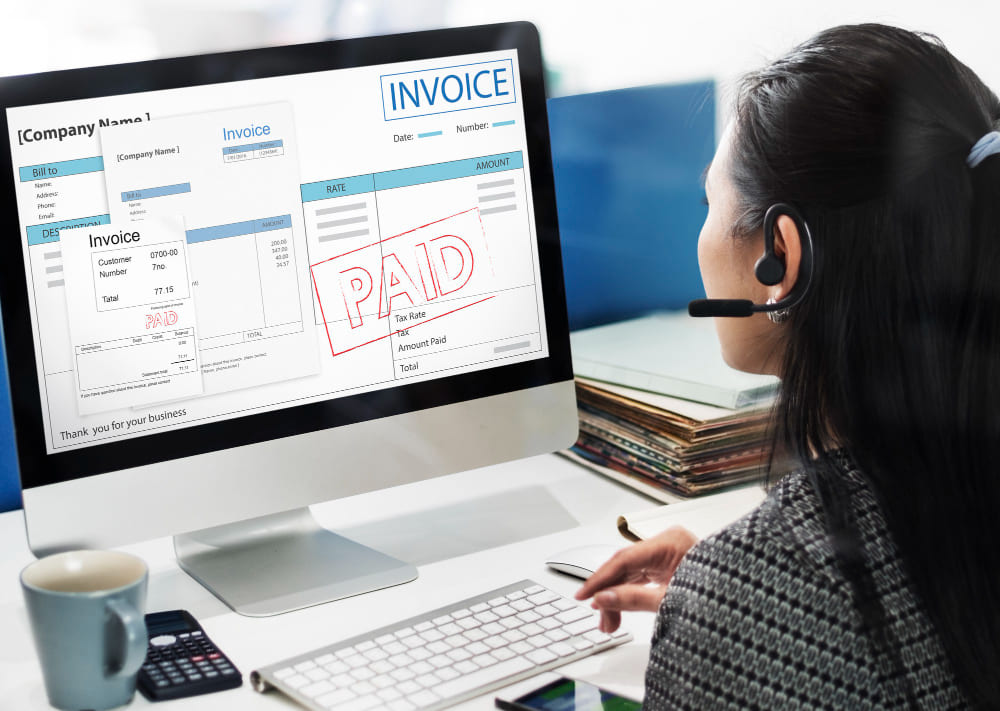
Invoice factoring is the sale of your unpaid invoices to a third party — a "factor" — for cash up front. The factor advances you most of the invoice value (typically 80% to 90%), then collects from your client. When the client pays, the factor sends you the remainder minus a fee.
Key point: it's not a loan. You're selling an asset — the receivable — so nothing shows up as debt on your books. That's why a young company with strong clients but weak credit can often factor when a bank says no. For the opposite side of this coin — the money still owed to you — read our piece on What Is an Open Invoice and how aging A/R quietly drains cash.
How the Math — and the Real APR — Hits Your Wallet
Say you factor a $10,000 invoice at a 90% advance with a 3% fee. You get $9,000 today. If your client pays in 60 days, the factor keeps $600 and remits the remaining $400. You walked away with $9,400 of your $10,000 — a 6% haircut because the invoice took two months.
Now annualize it. Factors quote monthly or per-30-day rates, never APR — so you must do the math yourself. Because fees compound every billing cycle an invoice stays unpaid, the true annual cost runs higher than the "per month" number. A 2% fee on a 30-day invoice is roughly a 24% annualized cost (Credit Pulse). The baseline:
| Monthly fee (per 30 days) | Effective annual cost (APR) | Cost on a $10,000 invoice held 60 days |
|---|---|---|
| 1% / month | ~12.7% APR | $200 |
| 2% / month | ~26.8% APR | $400 |
| 3% / month | ~42.6% APR | $600 |
Figures use monthly compounding (1 + rate)^12 − 1 over two cycles; ranges consistent with Credit Pulse and Capital Source Group. A 3%/month deal looks like "only 3%" until you see it is a 42%+ APR — worse than most credit cards. Independent factoring-cost research from alloptions places construction factoring in the same 2%–5% per-30-days band, so treat any quote near the top of that range as expensive capital rather than a routine cost of doing business.
The Pros
- Fast cash: funding often same or next day.
- Easy to qualify: approval rides on your customer's credit, not yours.
- No new debt: nothing added to your balance sheet.
- Collections outsourced: the factor chases payment, saving your time.
- Scales with sales: invoice more, fund more.
For a contractor staring at payroll with a Net-60 client, those pros are real. The cash arrives before the work even finishes in some cases, which can keep a crew on the clock and a supplier off your back.
The Cons
- Fees erode margin: 1%–5% per 30 days adds up fast — on Net-60 terms that's 2%–10% of the invoice gone (Capital Source Group; alloptions notes construction factoring runs 2%–5% per 30 days).
- Recourse risk: in the common recourse model, if your client doesn't pay, you buy the invoice back.
- Customer notification: clients get told to pay the factor — some read it as a distress signal.
- Hidden fees: setup, wire transfers, monthly minimums, termination penalties.
- Dependency: run operations on advances and it's hard to step away.
The margin erosion is the quiet killer. A 3% per-30-day fee on a job you already priced at a 12% margin can erase a quarter of your profit before the paint dries — and that's before any of the hidden add-ons show up.
Recourse vs Non-Recourse Factoring
This distinction decides who eats the loss if a client never pays. Recourse factoring — the more common type in the U.S. — leaves the risk with you: the factor can make you repurchase a bad invoice. Non-recourse shifts credit risk to the factor, but usually only covers insolvency, not late payment or disputes — and the fee runs higher (about 2%–5% per 30 days vs 1%–3% for recourse, per alloptions). Read the contract before you assume you're protected.
In practice, "non-recourse" is narrower than it sounds. If a client accepts the work and then disputes the quality, many contracts still push that loss back onto you. Ask the factor to show you, in writing, exactly which scenarios count as covered versus your responsibility.
Spot vs Full-Ledger Factoring
Most first-timers don't realize factoring comes in two shapes. Spot factoring lets you sell one invoice at a time — flexible, higher per-deal fees, no long commitment. Full-ledger (or whole-turnover) factoring requires you to route all your receivables through the factor, with a monthly minimum and a contract term of 6–24 months. Full-ledger usually gets you a lower rate but locks you in; spot keeps control but costs more per invoice.
New contractors usually start with spot because the commitment is low, then get tempted by the lower rate of full-ledger once they see steady volume. The trap is the minimum: a slow season still triggers fees even when you factor nothing.
How to Read a Factoring Contract
The contract is where the real cost hides. Check these five clauses before signing:
- All-in effective rate: confirm the per-30-day fee and whether it compounds if your client pays late.
- Monthly minimums: some contracts charge a fee if you don't factor enough volume — you pay even on slow months.
- Hidden add-ons: setup fees, ACH/wire charges, credit-check fees, and UCC filing costs stack on top.
- Termination penalty: early exit can cost months of fees or a flat buyout.
- Recourse & dispute terms: who eats a chargeback, and how fast you must repurchase a rejected invoice.
Ask for the total cost on a representative invoice in writing. If the factor won't itemize, that's your answer. A reputable shop will hand you a one-page example showing advance, fee, and net without pressure to sign.
Factoring vs Invoice Financing
Don't confuse the two. Factoring = you sell the invoice and hand collection to the factor; the client gets notified. Invoice financing = you borrow against the invoice as collateral and keep collecting yourself; the client never knows. Financing usually costs less and protects the relationship, but you still do the chasing and you take on debt. For contractors who want cash but want to own the client conversation, financing beats factoring.
Both still put a cost or a liability on your books. Neither fixes the underlying habit of slow invoicing — they just finance around it. That distinction matters when you compare them against simply getting paid on time.
Better Alternatives Before You Factor
Most cash-flow gaps don't need a factor — they need better invoicing. Dedicated financing platforms offer invoice-based advances and lines; their rates and approval terms vary by applicant, and they charge fees on top of any advance. Broad business and accounting platforms bundle financing but are built for larger operations, not the cash-today need of a one-truck contractor.
| Approach | Do you sell the receivable? | Client notified? | Typical cost |
|---|---|---|---|
| Invoice factoring | Yes | Yes | 1%–5% per 30 days |
| Automated reminders | No | No | None — no receivable sold |
Most paid options sell you capital. A steady reminder cadence shrinks your A/R aging without selling a single receivable — often the cheaper first move. Try these fixes first:
- Tighten terms: move clients from Net-60 to Net-30.
- Early-pay discount: offer 2/10 net-30 (2% off if paid in 10 days).
- Automate follow-ups: late payments usually come from disorganized invoicing, not unwillingness. Consistent reminders recover cash without selling a receivable.
- A line of credit: if you qualify, it's typically cheaper over time than rolling factoring fees.
- Fix the bottleneck: unclear invoices, missing details, and manual tracking are often the real problem.
Pair cleaner billing with contractor invoice templates and an invoice generator to build clear, consistent bills.
When Factoring Makes Sense (and When It Doesn't)
Use the stop/go test: pull your A/R aging. If more than 40% of receivables are past 60 days and your clients' credit is solid, factoring can be a lifeline — especially for payroll pressure or a new contract you can't fund otherwise.
Skip it if your margins are thin (a 3% fee can eat a 10%–15% margin), your clients pay reliably, or you have cheaper capital already. Factoring is a timing tool, not a strategy. The best operators treat it as a once-a-year bridge for a rare cash crunch, not a monthly line item.
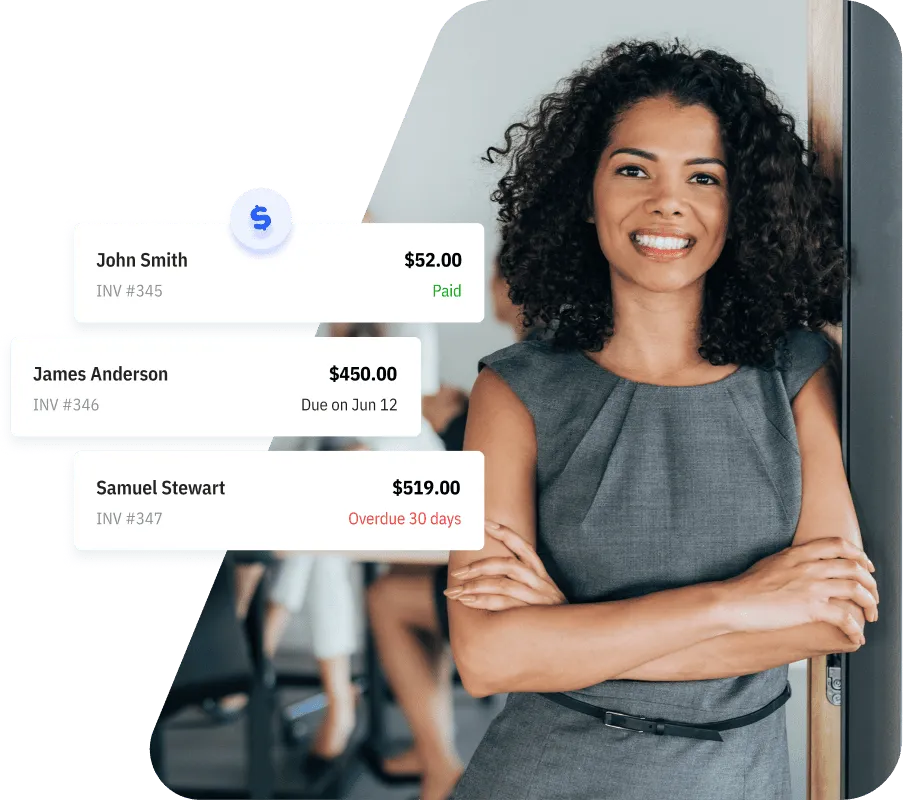
Factoring is a lever, not a habit. The contractors who avoid it longest are the ones who keep their own receivables visible and current. That is exactly what Invoice Zip does: it tracks each invoice as paid, due, or late and notifies you the moment one comes due or slips past its date, so more cash lands in your account before you ever consider selling a receivable.
This article explains invoice factoring for general information only, not financial or tax advice. For a decision tied to your cash flow, talk with a CPA or a lending advisor.
FAQ
Is invoice factoring a loan?
No. You sell receivables for cash; no debt is created. Invoice financing, by contrast, is borrowing.
How much does factoring cost?
Typically 1%–5% of invoice value per 30 days, plus possible setup, wire, and minimum fees. Annualized, that's 12%–60%+ APR.
What's a typical advance rate?
About 80%–90% of invoice value upfront; the rest (minus fees) comes when the client pays.
Will my clients know I'm factoring?
Yes — recourse or contract factoring notifies them to pay the factor. Confidential or non-notification options exist but cost more.
What's the difference between recourse and non-recourse?
Recourse leaves bad-debt risk with you; non-recourse shifts it to the factor (usually insolvency only) at a higher fee.
Does factoring hurt my credit score?
Factoring itself isn't debt, so it usually doesn't appear on your business credit report as a loan. But if you sign a personal guarantee or a recourse contract and a client defaults, the repurchase obligation can hit your score. Financing-style products that report to bureaus may affect it more directly.
What's the difference between spot and full-ledger factoring?
Spot lets you factor single invoices with no commitment but higher fees; full-ledger requires routing all receivables through the factor, often with minimums and a multi-month term, in exchange for a lower rate.
Most Popular Pages
Try Invoice Zip Today
Start Sending Invoices, Building Reports, Saving Office
Time and Get Paid Faster.