


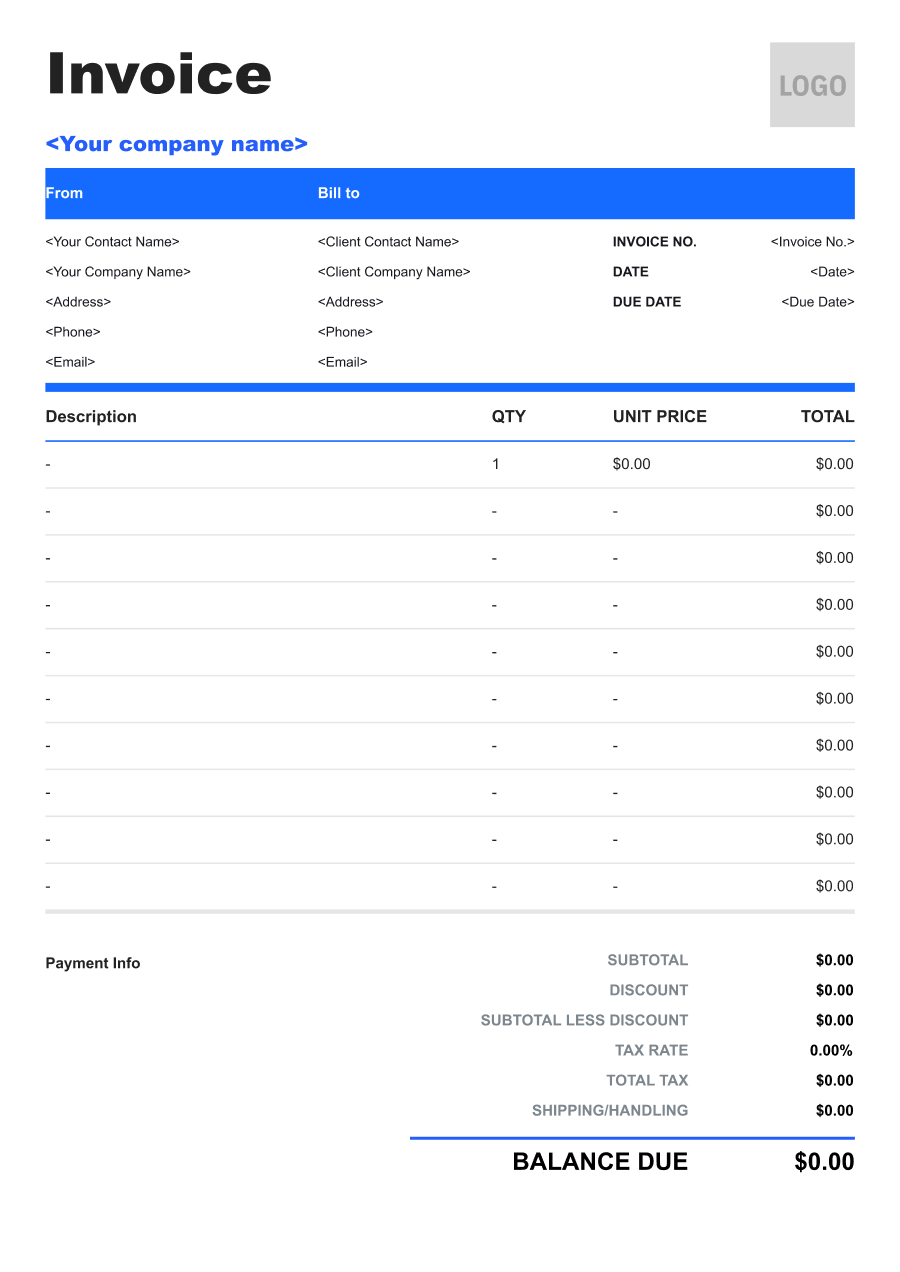
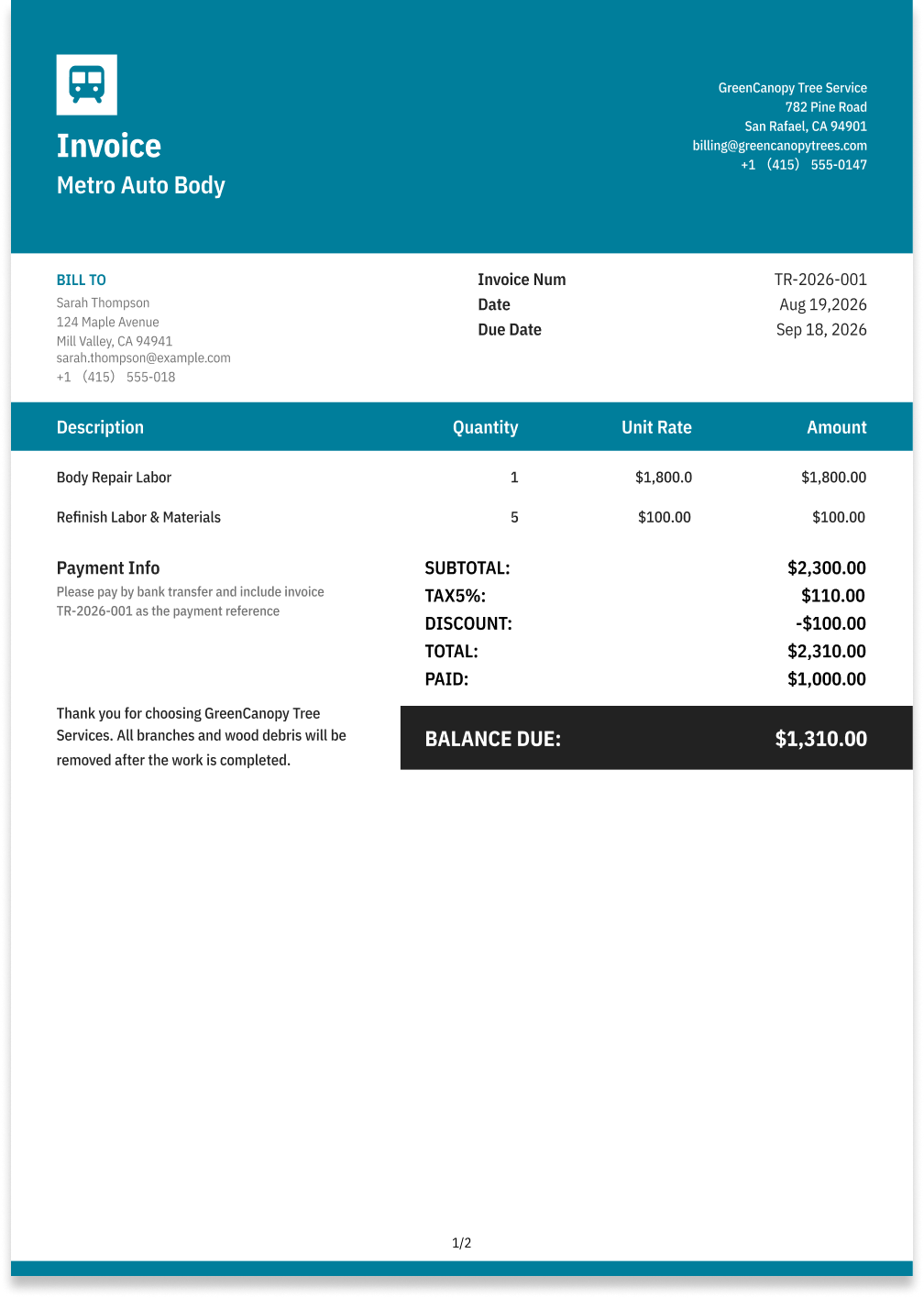
Auto Body Invoice Template
Create a professional auto body invoice with editable invoice templates for bodywork, labor, parts, paint, refinishing, and other collision repair charges.
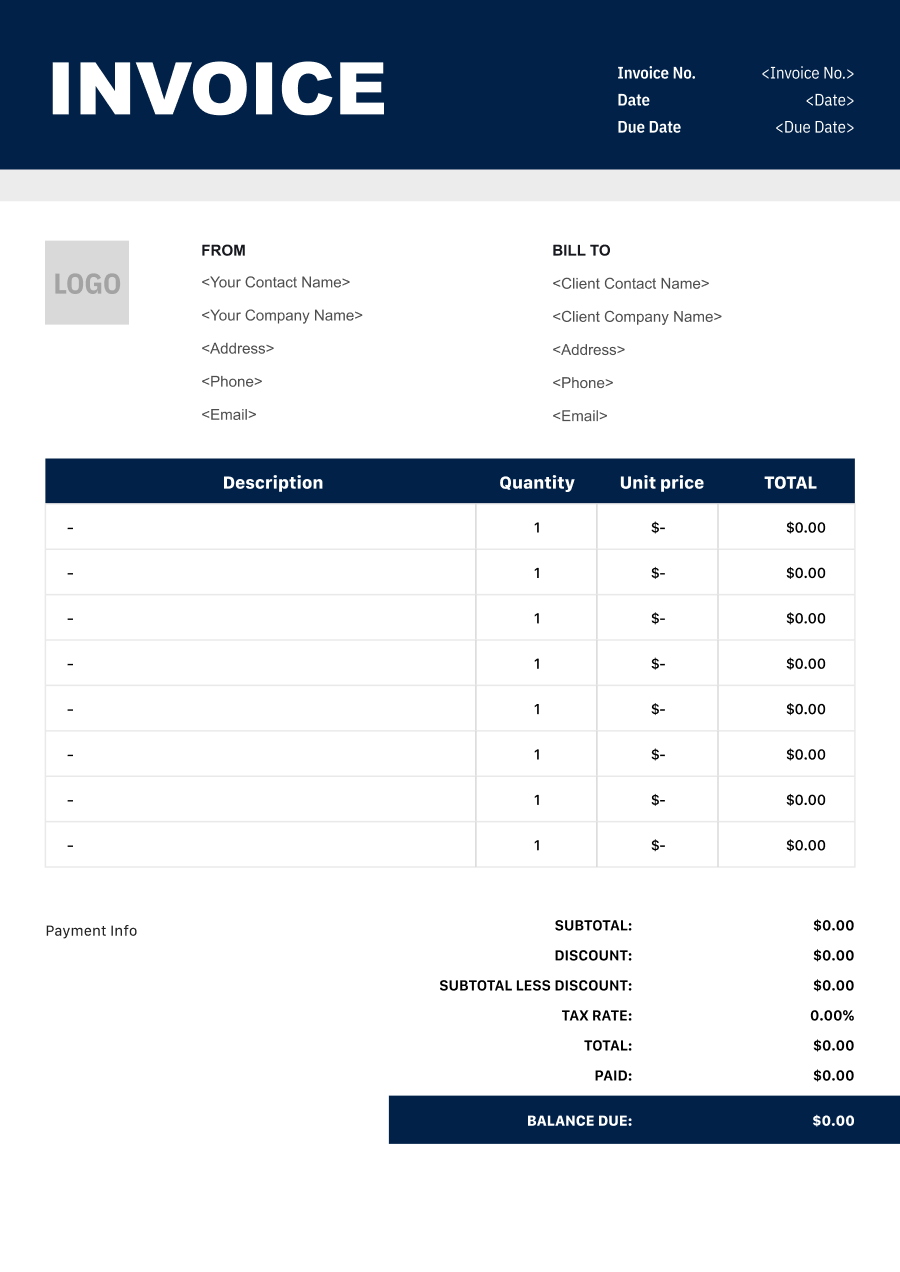
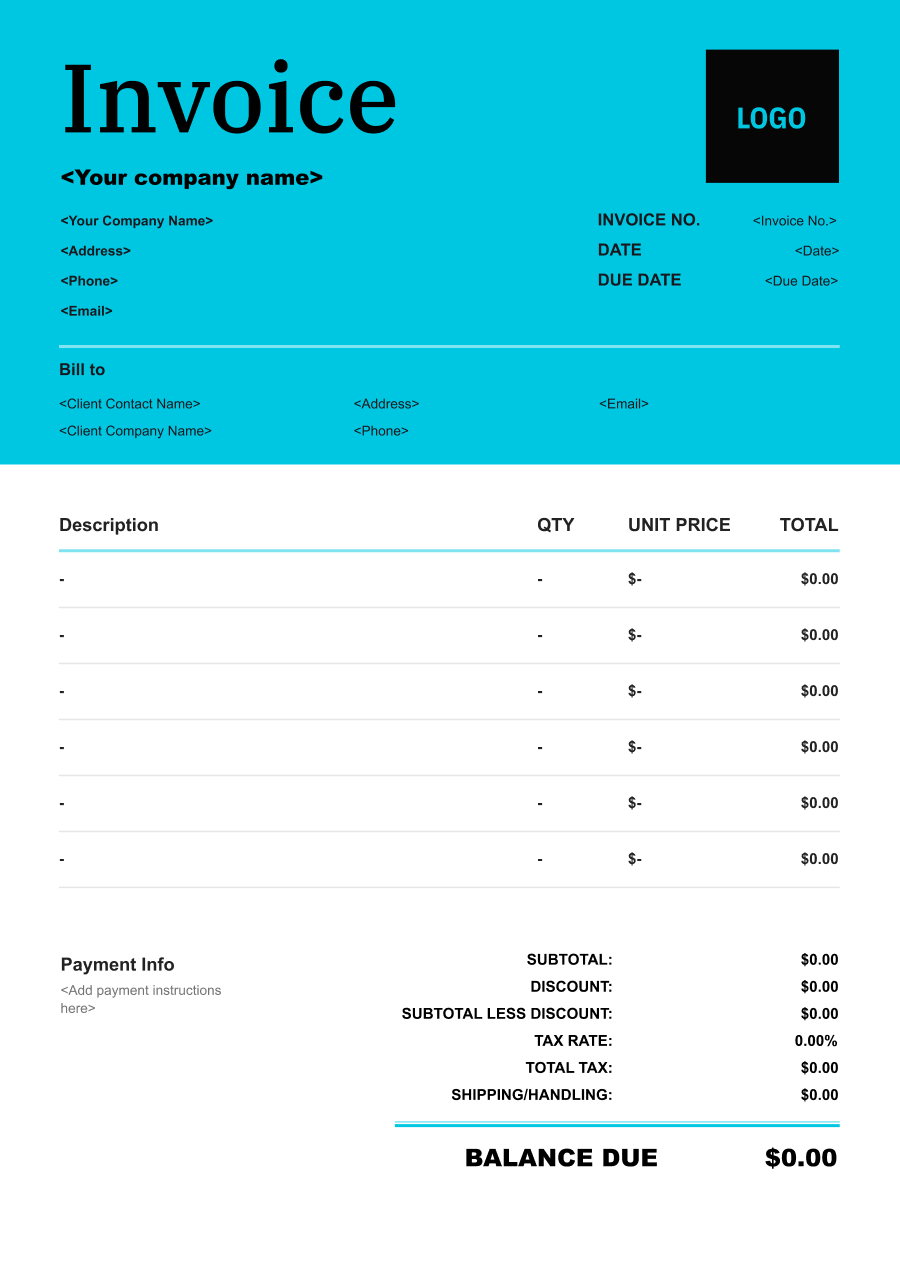
Choose the Best Invoice Template for Your Auto Body Business


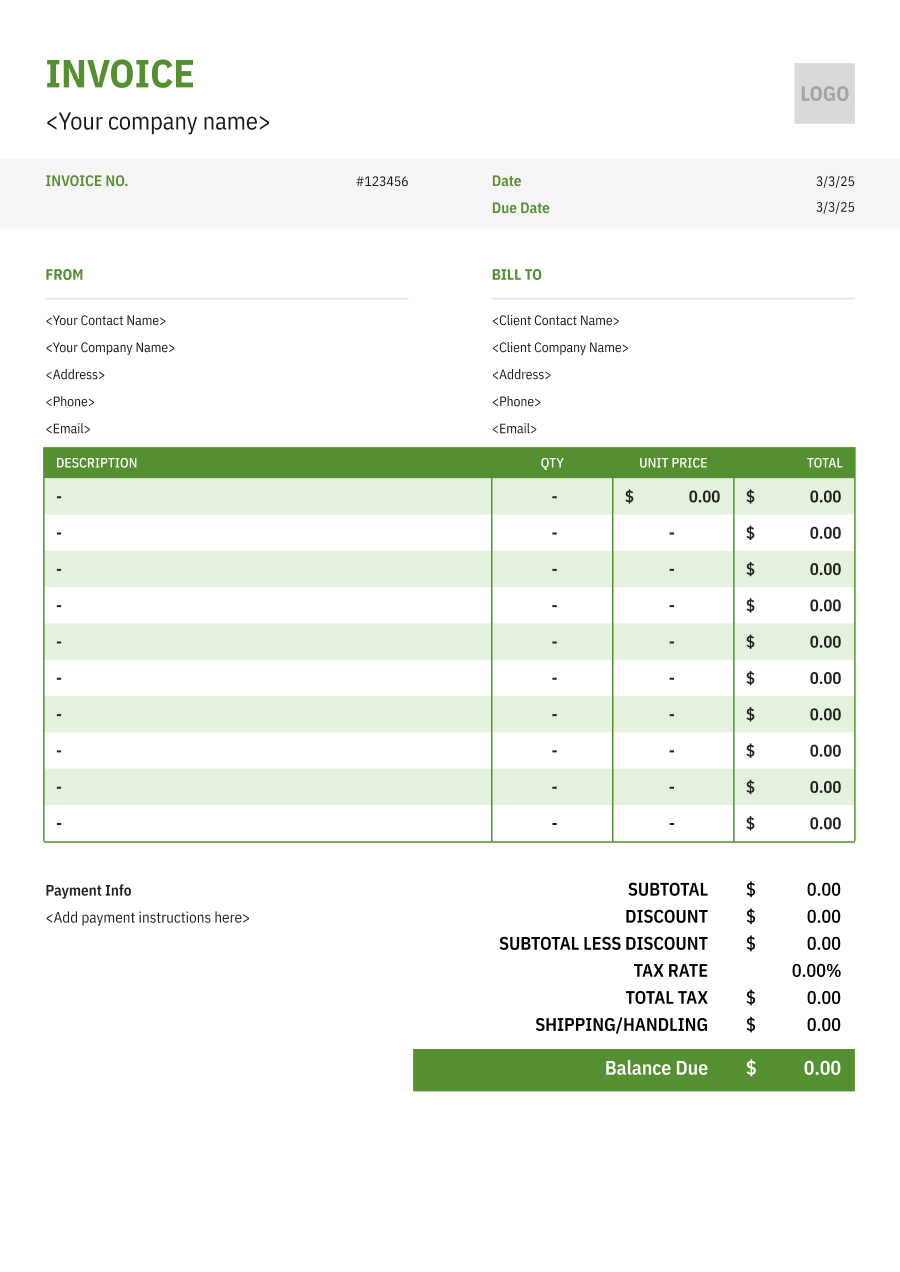
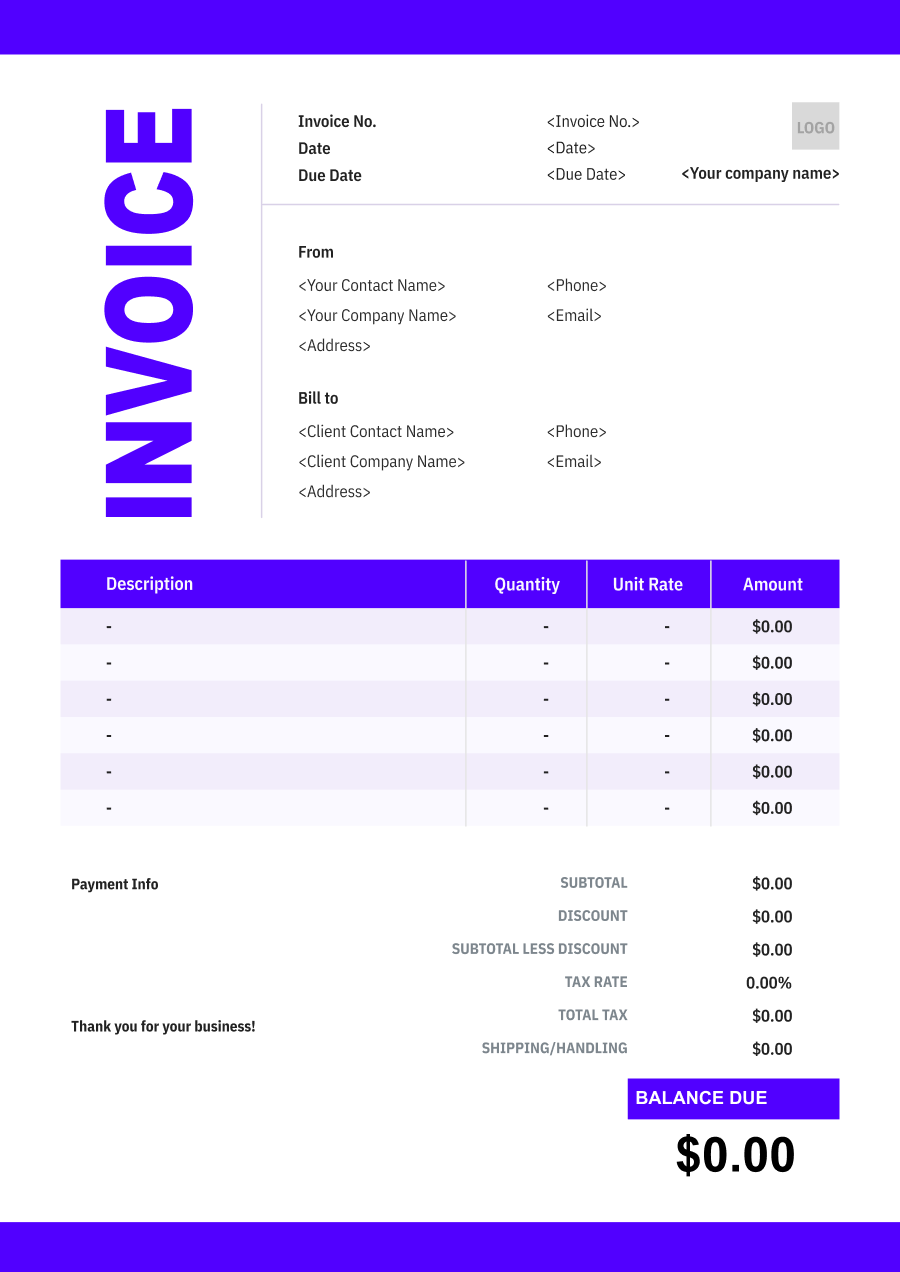
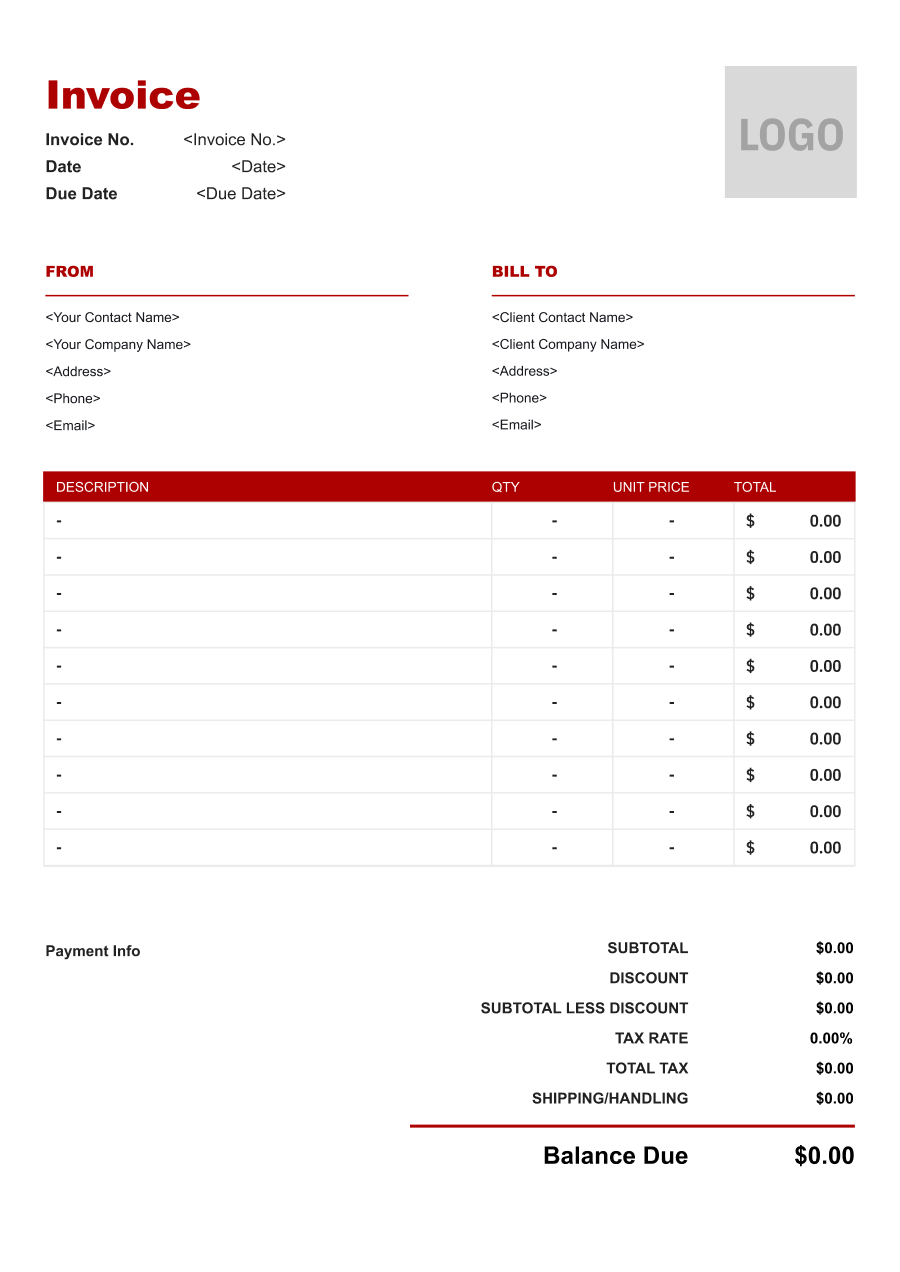
Create A Professional
Auto Body Invoice in Minutes
Add your auto body business and client details, itemize the products or services provided, and generate a professional invoice when you are ready.
1
Invoice details
Set the document identity, dates and currency.
Logo

Upload file
JPG, JPEG, PNG, less than 5 MB
Invoice number
Currency
USD
Issue date
Due date
2
Business & client
Add the details your client needs to identify both parties
From
Company Name
Contact name
Address
Email Address
Phone Number
Bill To
Client name
Address
Email Address
Phone Number
3
Products & services
Itemize what you’re charging for. Totals update automatically.
4
Totals & payment
Apply adjustments and tell your client how to pay.
Payment instructions
Notes
Sub Total
$0.00
Tax Rate
%
Discount
$
Total
$0.00
Amount paid
$
Balance Due
$0.00
What to include in Auto Body Invoice
A clear auto body invoice helps prevent disputes and ensures timely payment. Use this checklist to include the essential details.
- 1
Business Header & Contact
Company name, logo, phone number, email address, and physical business location.
- 2
Client Contact Information
Client's full name or business entity name, billing address, phone number, and email.
- 3
Invoice Metadata
Unique invoice number, invoice issue date, and payment due date (e.g., Net 15 / Due upon receipt).
- 4
Cost Summary & Taxes
Subtotal for services, local sales taxes (if applicable), applied discounts, and final bolded Total Due.
- 5
Deposit & Balance Tracking
Original estimate total, pre-paid deposit deductions (e.g., 'Less Deposit Received: -$500'), and remaining net balance due.
- 6
Payment Instructions
Accepted payment methods, including direct online payment links (Credit/ACH), check mailing address, or bank transfer details.
- 7
Vehicle & Damage Information
Include the vehicle year, make, model, VIN or license plate when appropriate, and a concise description of the damaged areas being repaired.
- 8
Body Repair & Refinishing Work
Identify services such as panel repair, dent removal, frame work, paint preparation, refinishing, bumper repair, or replacement.
- 9
Parts & Replacement Panels
List replacement panels, bumpers, lights, trim, clips, sensors, and other significant parts, including part references when useful.
- 10
Paint, Labor & Shop Charges
Separately identify body labor, paint labor, materials, refinishing supplies, shop fees, towing, storage, or other applicable charges.
Common Auto Body Services & Billing Items
How Auto Body charges are typically structured and billed.
Common Services
What's Included
Billing Items
Collision Repair
Crew size, Hours worked, Part name or number, Quantity used, and Service location
LaborParts
Dent Repair
Crew size, Hours worked, Paint or material type, Quantity used, and Service location
LaborPaint/Materials
Bumper Repair
Part name or number, Quantity used, Paint or material type, and Service location
PartsPaint/Materials
Paint Repair
Crew size, Hours worked, Part name or number, Quantity used, Item or surface refinished, and Scope of work
LaborPartsRefinishing
Body Panel Replacement
Part name or number, Quantity used, Item or surface refinished, Scope of work, and Service location
PartsRefinishing
Auto Body Refinishing
Crew size, Hours worked, Paint or material type, Quantity used, Item or surface refinished, and Scope of work
LaborPaint/MaterialsRefinishing
Frame Repair
Crew size, Hours worked, Part name or number, Quantity used, Paint or material type, and Service location
LaborPartsPaint/Materials
Labor: Charges for hands-on work, technician time, crew time, or professional service hours.
Parts: Charges for vehicle replacement parts installed during repair.
Paint/Materials: Charges for paint, primer, caulk, masking materials, and other painting supplies.
Refinishing: Charges for refinishing associated with the service or project.
Auto Body Invoicing Tips
Auto Body costs vary by service scope, pricing method, and additional requirements. A detailed invoice helps customers understand every charge and reduces payment disputes.
1
Separate Parts from Body Labor
Collision repairs often involve expensive replacement parts and substantial labor. Best practice: itemize major parts separately from body, paint, and repair labor.
2
Document Supplemental Damage
Additional damage may become visible after disassembly. Best practice: document supplemental repairs separately and obtain appropriate approval before adding them to the invoice.
3
Distinguish Repair from Replacement
A damaged component may be repaired or replaced depending on its condition. Best practice: clearly identify which parts were repaired and which were replaced on the final invoice.
4
Keep Invoice Details Consistent with Estimates
Insurance claims and customer approvals often depend on the original repair estimate. Best practice: use consistent part descriptions, labor categories, and repair references when preparing the final invoice.


Reusable Billing Structure in Invoice Software
Use the items above to quickly create a Auto Body Invoice Template in Invoice Zip.
FAQs about Auto Body Invoicing
Q: How should an auto body shop separate collision repair labor from replacement parts?
A: Body repair labor and replacement parts can be listed separately. Parts such as bumpers, panels, headlights, or trim can then be matched to the specific repair work performed.
Q: How should an auto body invoice document paint and refinishing work?
A: Paint preparation, refinishing, and related materials can be listed as separate services when appropriate. The invoice can identify the repaired or repainted areas of the vehicle.
Q: How should an auto body invoice handle hidden damage discovered after a vehicle is disassembled?
A: Additional damage found during disassembly should be documented as supplemental repair work. The invoice can identify the newly required repairs and associated parts and labor separately from the original estimate.
Q: How should an auto body shop invoice insurance-related repairs?
A: The invoice can show the total repair charges and distinguish any insurance payment, deductible, or customer responsibility. This helps the vehicle owner understand the amount they are expected to pay.
Q: Should an auto body invoice include the vehicle identification and mileage?
A: Including identifying information such as the vehicle make, model, and VIN can help connect the invoice to the correct repair. Mileage may also be included as part of the vehicle's service record.
Other Free Resources
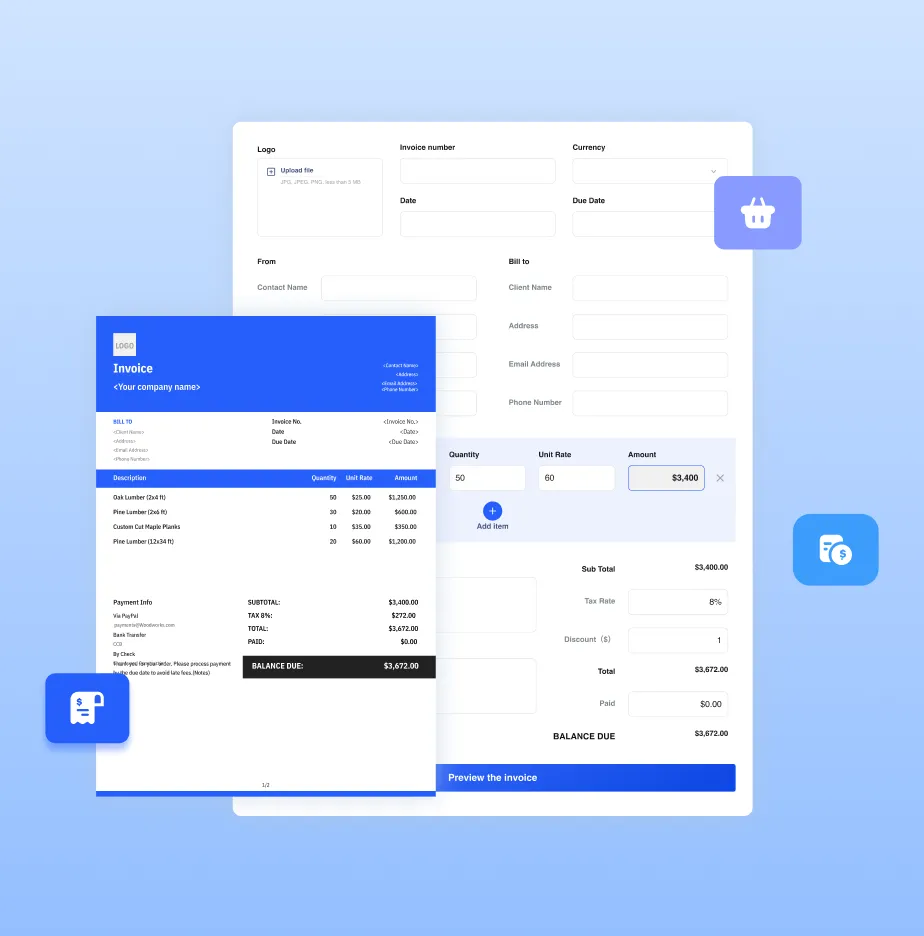

Try Invoice Zip Today
Start Sending Invoices, Building Reports, Saving Office
Time and Get Paid Faster.