


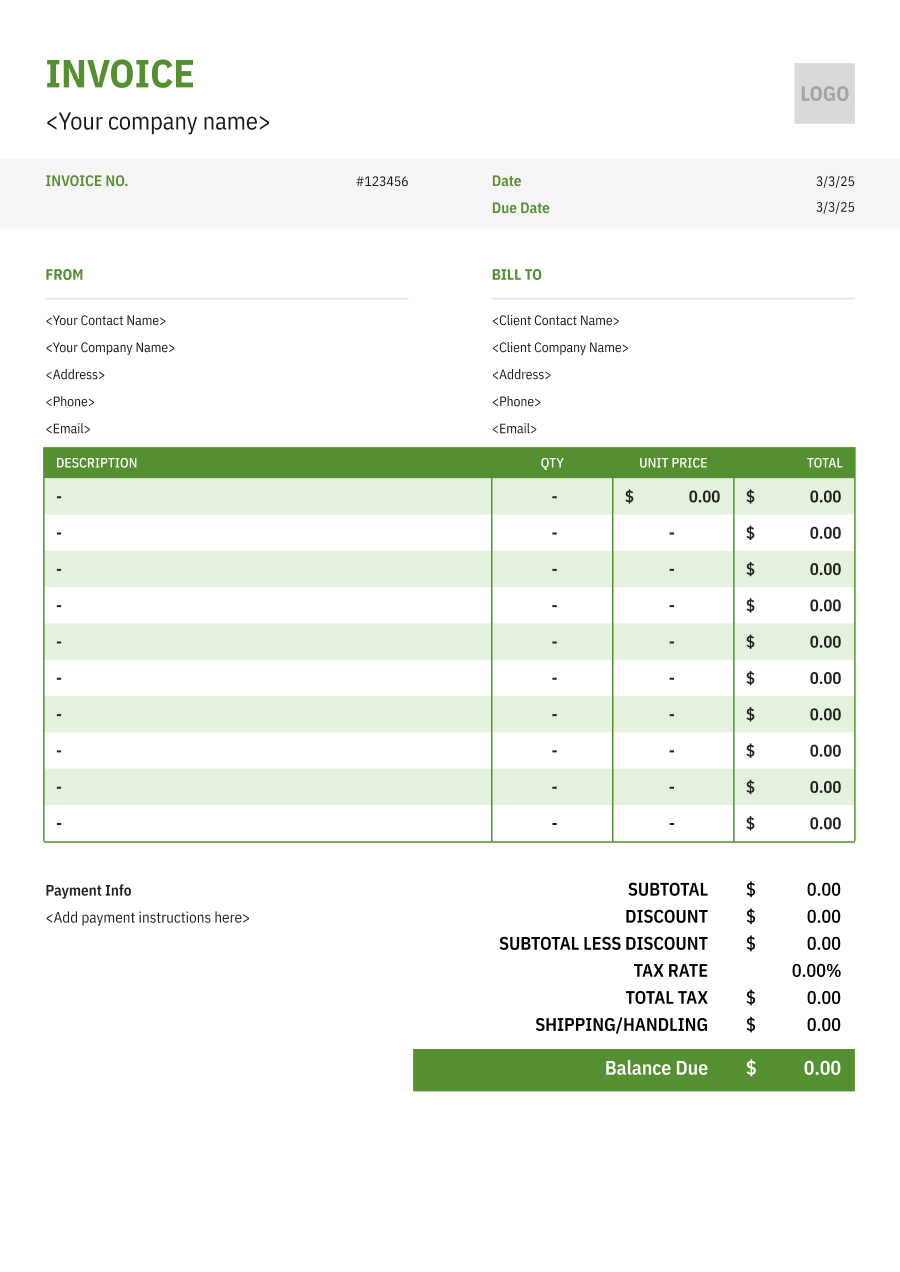
Jewelry Invoice Template
Create a professional jewelry invoice with editable invoice templates for custom pieces, repairs, gemstones, labor, and other charges.
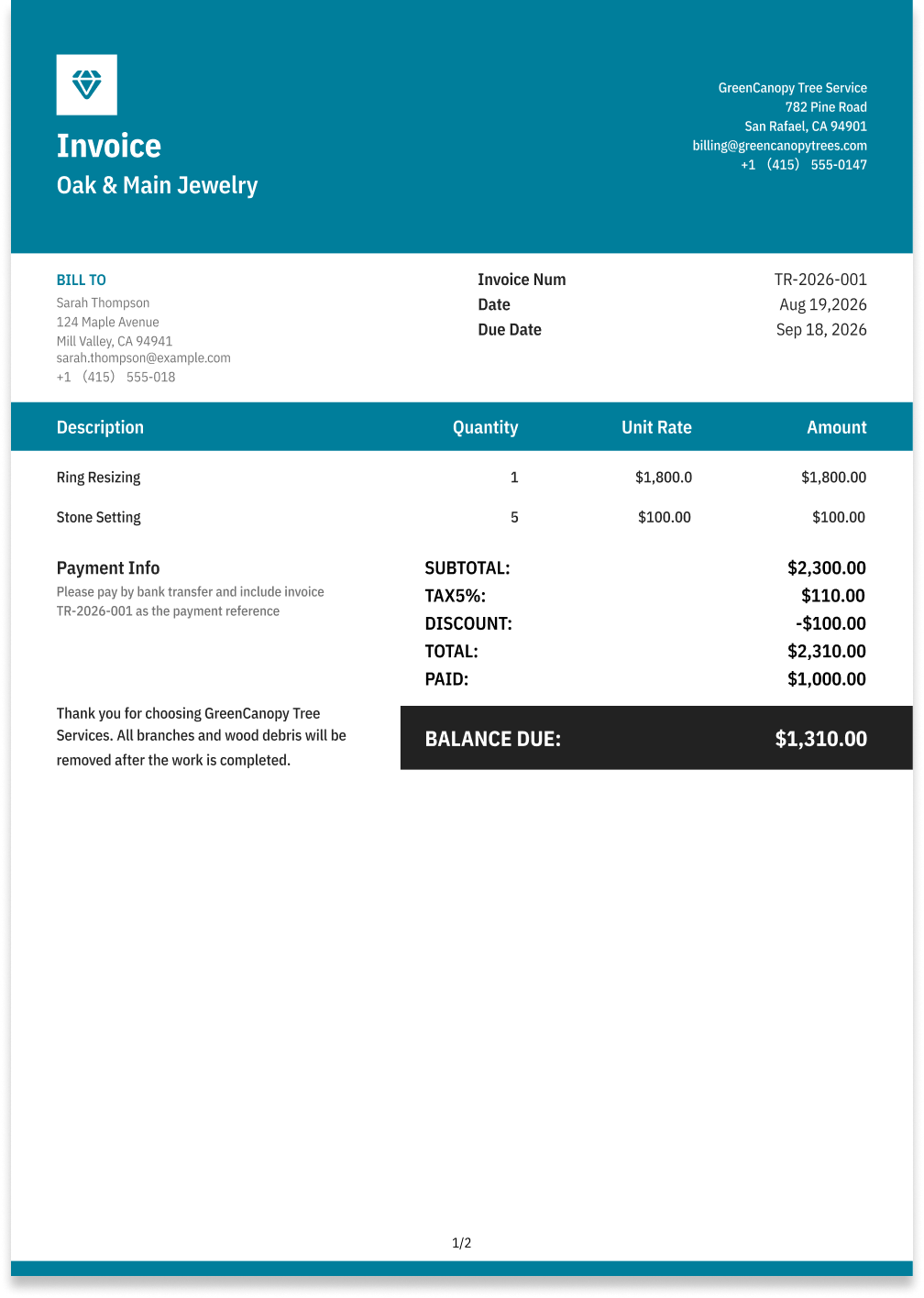
Choose the Best Invoice Template for Your Jewelry Business


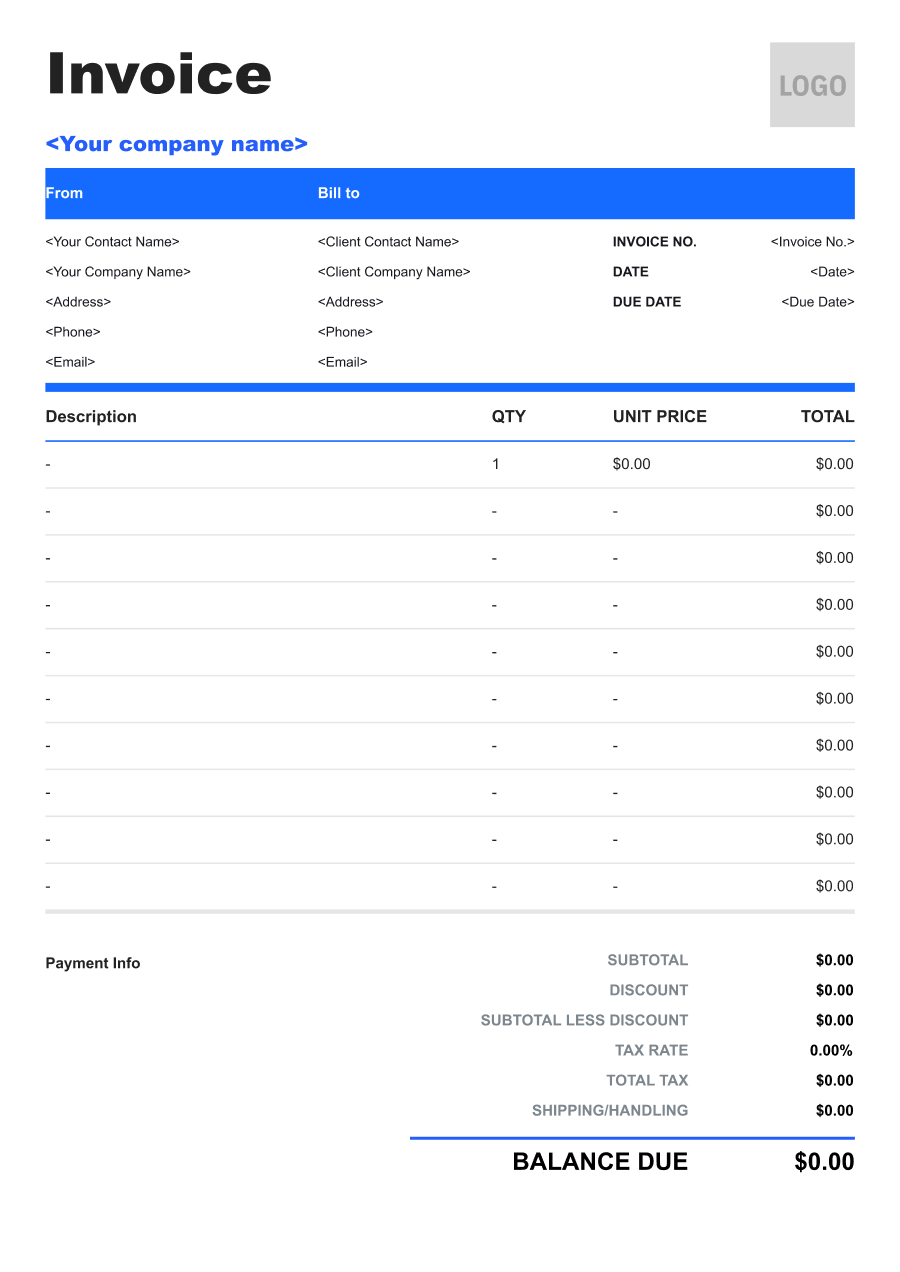
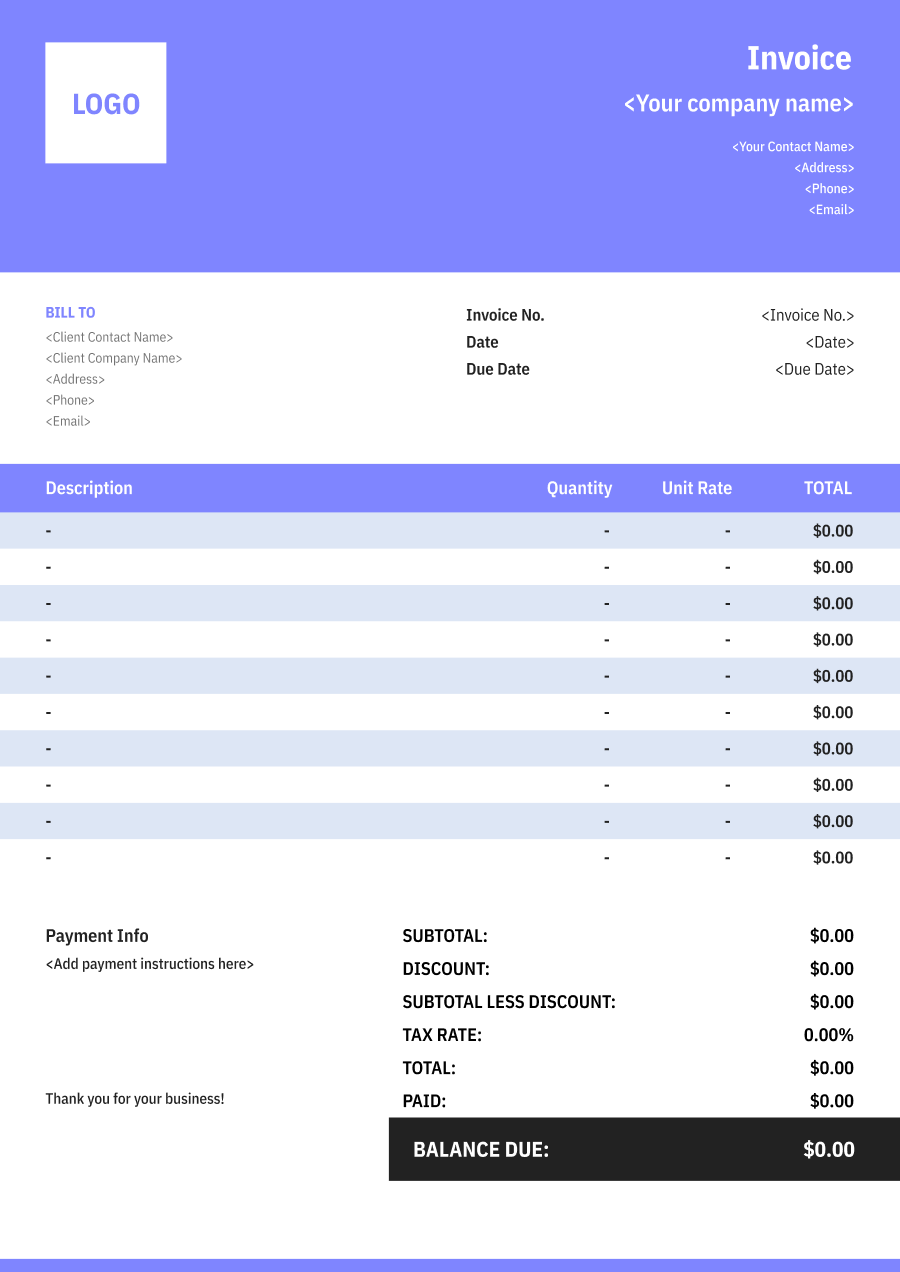
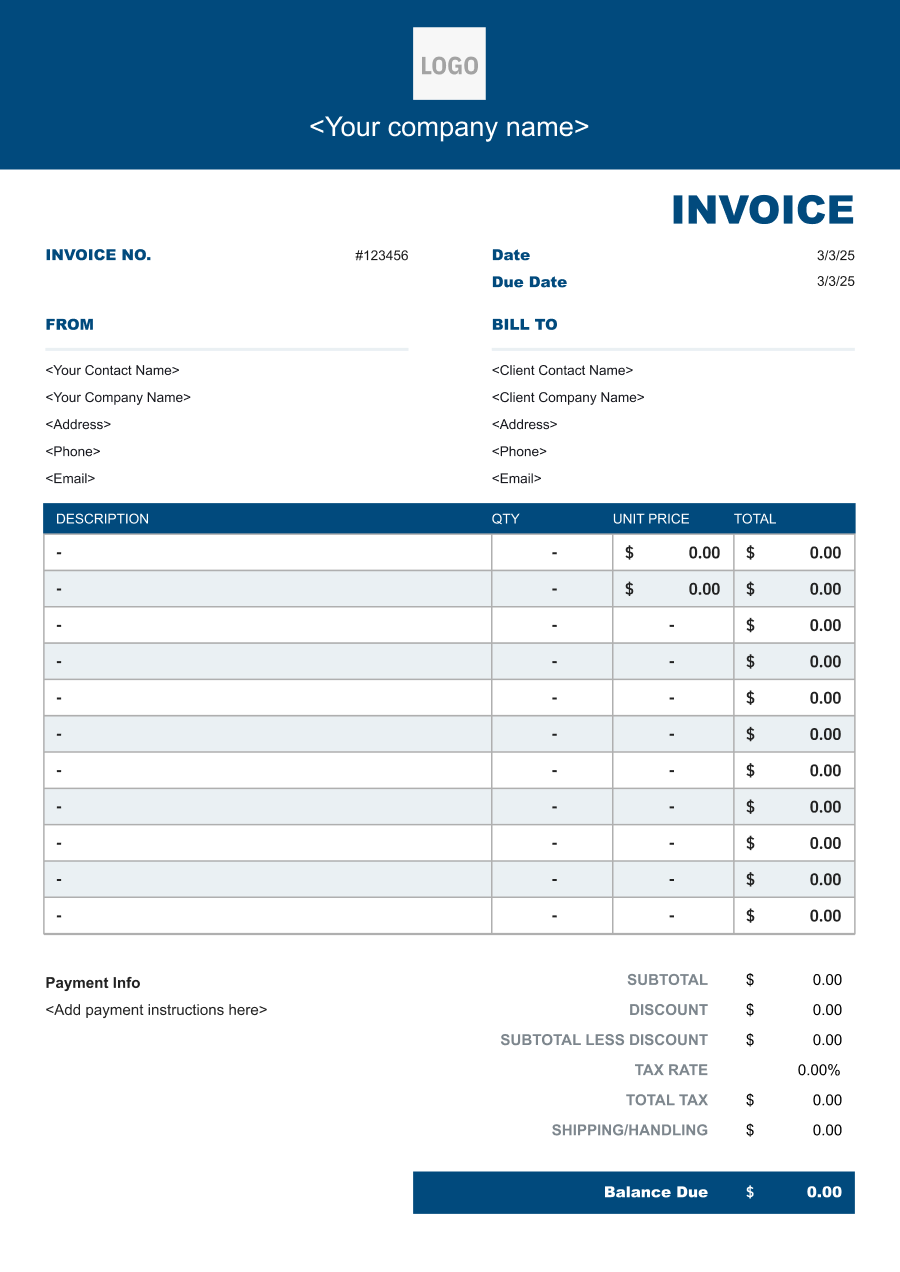
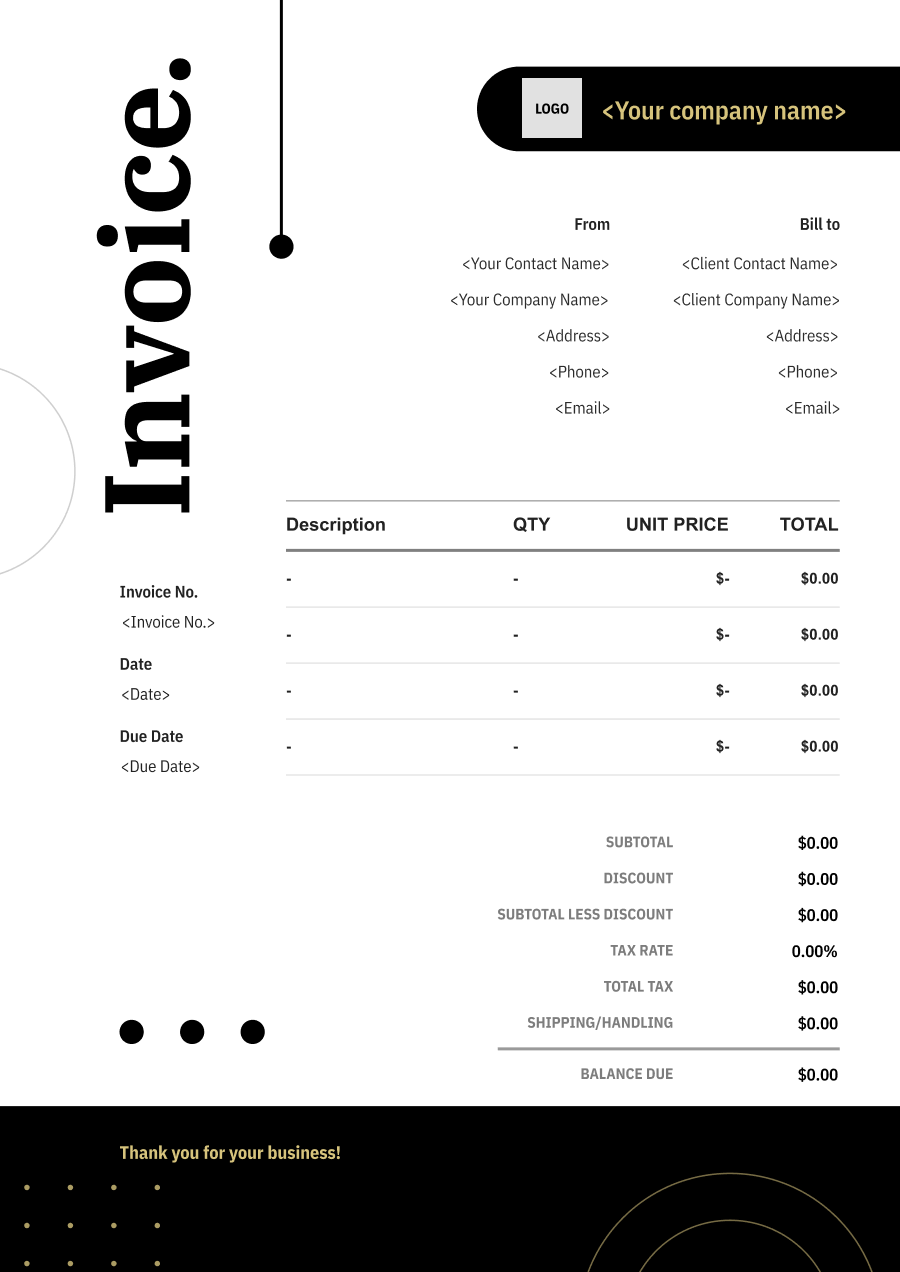
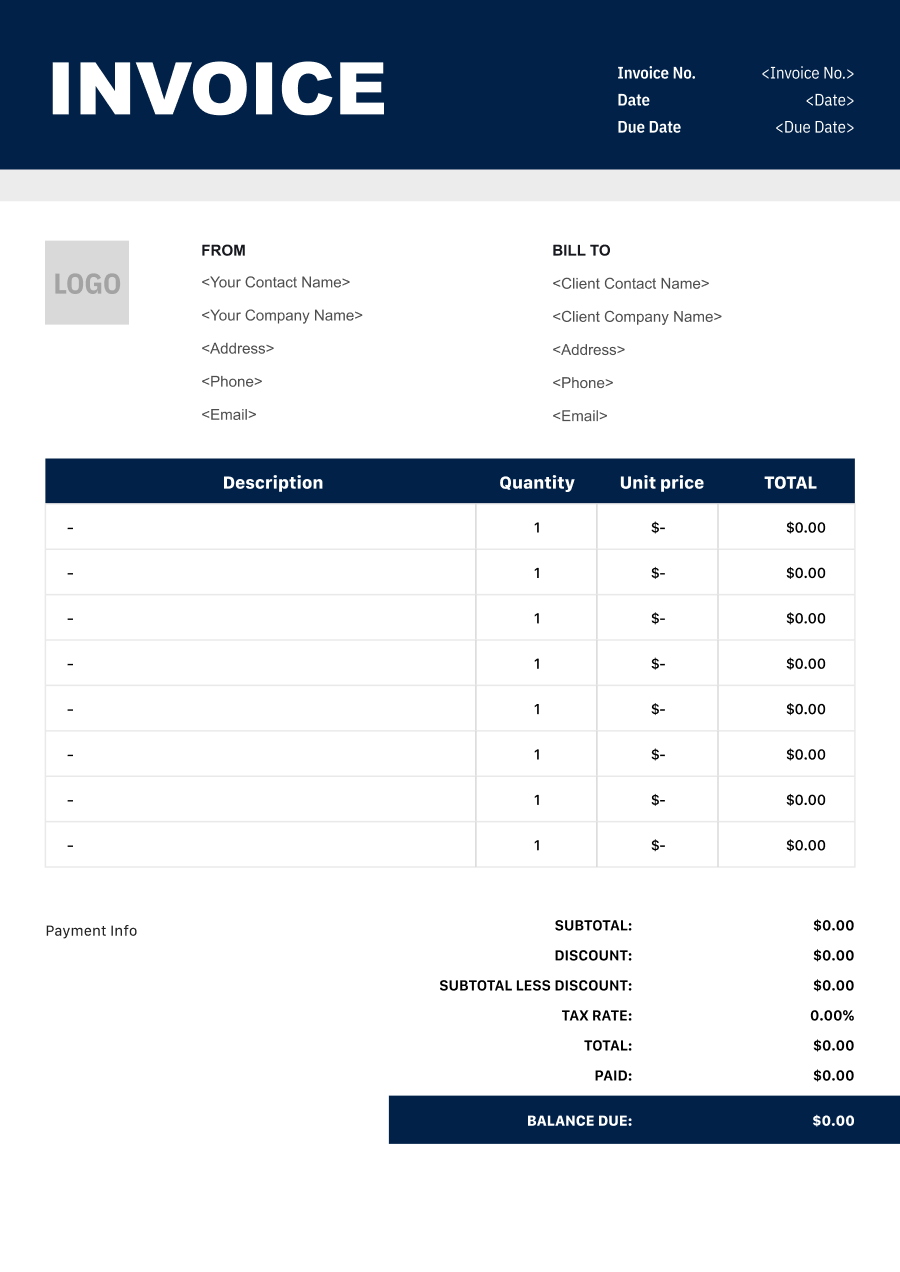
Create A Professional
Jewelry Invoice in Minutes
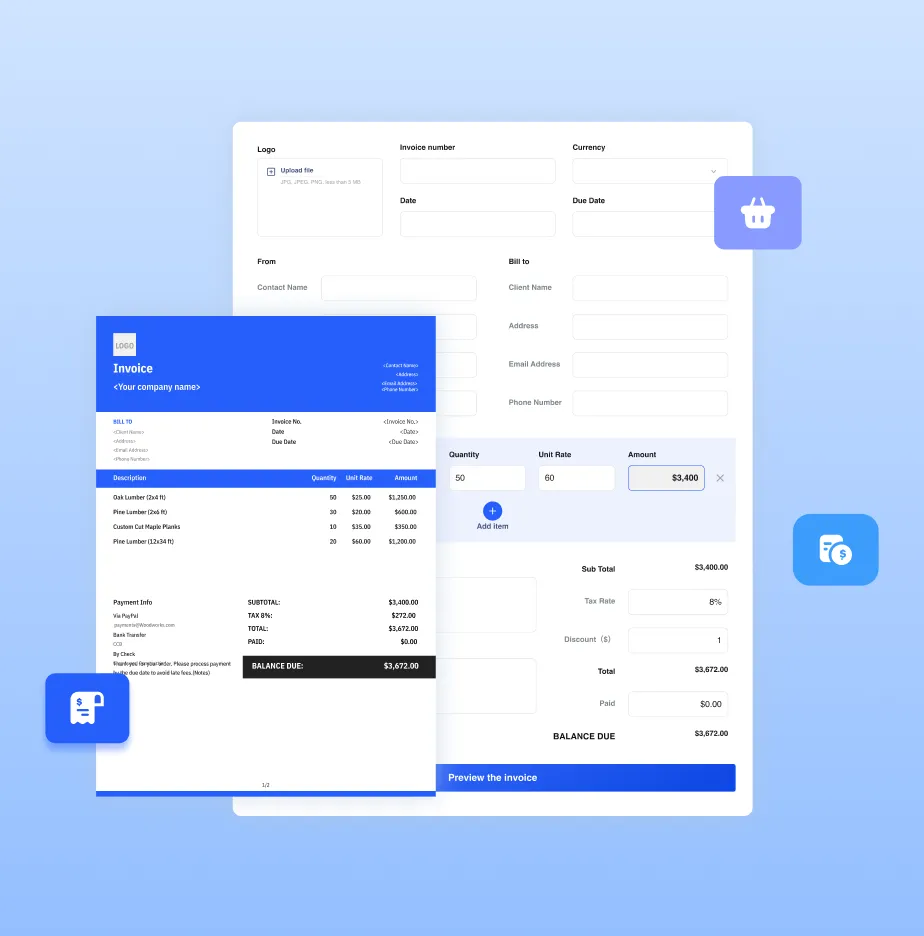
Add your jewelry business and client details, itemize the products or services provided, and generate a professional invoice when you are ready.
1
Invoice details
Set the document identity, dates and currency.
Logo

Upload file
JPG, JPEG, PNG, less than 5 MB
Invoice number
Currency
USD
Issue date
Due date
2
Business & client
Add the details your client needs to identify both parties
From
Company Name
Contact name
Address
Email Address
Phone Number
Bill To
Client name
Address
Email Address
Phone Number
3
Products & services
Itemize what you’re charging for. Totals update automatically.
4
Totals & payment
Apply adjustments and tell your client how to pay.
Payment instructions
Notes
Sub Total
$0.00
Tax Rate
%
Discount
$
Total
$0.00
Amount paid
$
Balance Due
$0.00
What to include in Jewelry Invoice
A clear jewelry invoice helps prevent disputes and ensures timely payment. Use this checklist to include the essential details.
- 1
Business Header & Contact
Company name, logo, phone number, email address, website, and physical store or business location.
- 2
Client Contact Information
Customer's full name or business name, billing address, phone number, and email address.
- 3
Invoice Metadata
Unique invoice number, invoice issue date, and payment due date or payment terms, such as Due upon Receipt or Net 15.
- 4
Cost Summary & Taxes
Subtotal for jewelry and related services, applicable sales tax, discounts, credits, and the final Total Due.
- 5
Deposit & Balance Tracking
Original order or project total, deposit or advance payment received, additional payments, and remaining balance due.
- 6
Payment Instructions
Accepted payment methods, including credit card, ACH, check, bank transfer, or approved online payment options.
- 7
Gemstone & Diamond Specifications
For jewelry containing diamonds or gemstones, document relevant specifications such as carat weight, stone type, color, clarity, cut, shape, and quantity when applicable. For significant stones, include the grading report or certificate number when one exists.
- 8
Custom Design & Work Details
For custom pieces, clearly describe the agreed design, materials, stone specifications, engraving, sizing, setting, and other production work. Separate design, fabrication, setting, engraving, resizing, or repair charges when they are billed independently.
- 9
Precious Metal Weight & Pricing
When pricing depends on precious metal content, record the metal type, purity, approximate or actual weight, and applicable material charge. For transactions where the metal price affects the final amount, retain the pricing basis used for the invoice.
- 10
Appraisal, Certification & Insurance Documentation
When applicable, reference appraisal documents, gemstone grading reports, authentication records, or insurance documentation associated with the jewelry. Keep the invoice description consistent with supporting documentation, particularly for high-value pieces.
Common Jewelry Services & Billing Items
How Jewelry charges are typically structured and billed.
Common Services
What's Included
Billing Items
Custom Jewelry Design
Jewelry or product description, Quantity or specifications, Crew size, Hours worked, and Project or deliverable name
Jewelry/Product ChargesLabor
Jewelry Repair
Jewelry or product description, Quantity or specifications, Component or material, Quantity, and Service location
Jewelry/Product ChargesMaterials & Components
Ring Resizing
Crew size, Hours worked, Component or material, Quantity, and Service date
LaborMaterials & Components
Jewelry Cleaning & Polishing
Jewelry or product description, Quantity or specifications, Crew size, Hours worked, Service type, and Service date
Jewelry/Product ChargesLaborService Fees
Gemstone Setting
Crew size, Hours worked, Service type, Service date, and Service location or project
LaborService Fees
Jewelry Appraisal
Jewelry or product description, Quantity or specifications, Component or material, Quantity, Service type, and Service date
Jewelry/Product ChargesMaterials & ComponentsService Fees
Engraving
Jewelry or product description, Quantity or specifications, Crew size, Hours worked, Component or material, and Quantity
Jewelry/Product ChargesLaborMaterials & Components
Jewelry/Product Charges: Charges for finished jewelry, custom pieces, or products supplied to the customer.
Labor: Charges for hands-on work, technician time, crew time, or professional service hours.
Materials & Components: Charges for metals, gemstones, replacement parts, findings, and other components used in the work.
Service Fees: Charges for guest or property services.
Jewelry Invoicing Tips
Jewelry costs vary by service scope, pricing method, and additional requirements. A detailed invoice helps customers understand every charge and reduces payment disputes.
1
Itemize the Jewelry Instead of Using Generic Descriptions
A description such as "Diamond Jewelry - $8,000" provides very little information if the customer later needs to verify the purchase. Best practice: identify each item with its type, metal, purity, stone details, SKU or inventory number, and other distinguishing characteristics. For example, use "18K White Gold Diamond Engagement Ring, Round Brilliant Cut, 1.02 ct" rather than simply "Engagement Ring."
2
Separate Product Price from Custom Work
Custom jewelry often combines the value of the finished piece with design and production services. A single lump-sum charge can make it difficult for the customer to understand what they are paying for. Best practice: separate the jewelry or material cost from design, fabrication, stone setting, engraving, resizing, or other custom services when these charges are independently priced.
3
Document Deposits Before Starting Custom Orders
Custom jewelry can require substantial upfront spending on gemstones, precious metals, and specialized labor before the piece is completed. Best practice: require an agreed deposit before purchasing materials or beginning substantial custom work. Show the deposit on the invoice and clearly state how it will be applied to the final balance, along with any cancellation or refund terms established in the sales agreement.
4
Match the Invoice to Certificates & Appraisals
Customers may use jewelry invoices together with appraisal reports, diamond grading certificates, or insurance records. Differences between these documents can create confusion when a customer seeks insurance coverage or verifies ownership. Best practice: keep item descriptions, stone characteristics, metal specifications, and identifying numbers consistent across the invoice and relevant supporting documents.


Reusable Billing Structure in Invoice Software
Use the items above to quickly create a Jewelry Invoice Template in Invoice Zip.
FAQs about Jewelry Invoicing
Q: How should gold, silver, platinum, and gemstone prices be shown on a jewelry invoice?
A: Separate the major components when appropriate, such as the metal, gemstones, craftsmanship, and other services. Including the metal type and weight can also help customers understand how the final price was determined.
Q: Should a jewelry invoice record a gemstone's carat weight, clarity, or certification number?
A: For valuable gemstones, including details such as carat weight, stone type, and certification information can make the transaction easier to document. A certificate number can also connect the invoice to the specific stone or finished piece.
Q: How should custom jewelry design and manufacturing fees be billed?
A: Custom design, CAD work, casting, setting, and finishing can be listed separately from the materials. This gives the customer a clearer view of how the price of a made-to-order piece was calculated.
Q: How should resizing, engraving, or repair work be listed on a jewelry invoice?
A: List each service separately, along with the applicable labor or service charge. For repairs, describe the work performed, such as stone replacement, prong repair, polishing, or ring resizing.
Q: How should a jewelry business document a trade-in, deposit, or balance due for a high-value order?
A: Show the full order value, any deposit or trade-in credit, and the remaining balance as separate amounts. This creates a clear payment trail for expensive custom or special-order jewelry.
Other Free Resources

Try Invoice Zip Today
Start Sending Invoices, Building Reports, Saving Office
Time and Get Paid Faster.