


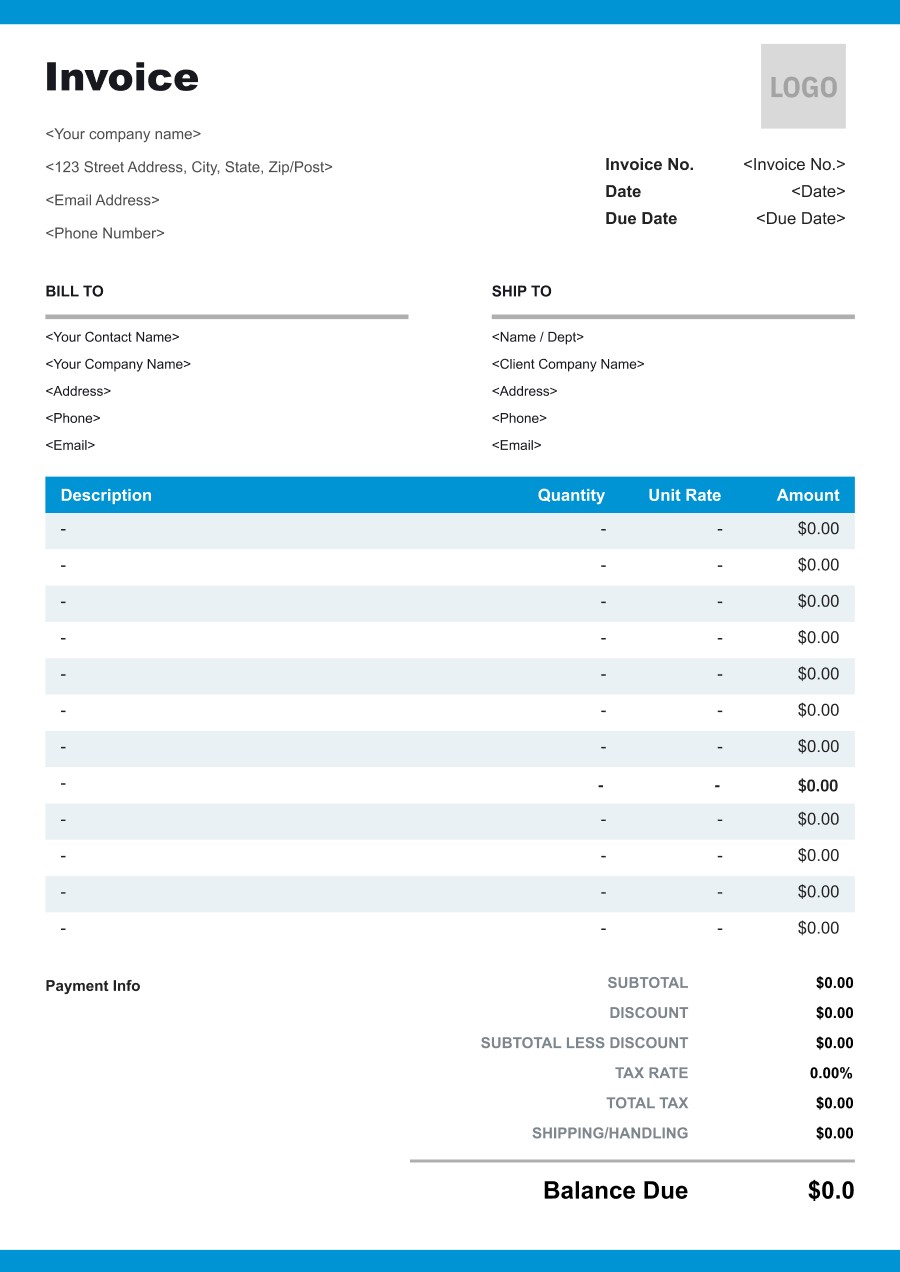
Musician Invoice Template
Create a professional musician invoice with editable invoice templates for performances, rehearsal time, travel, equipment, and additional event services.
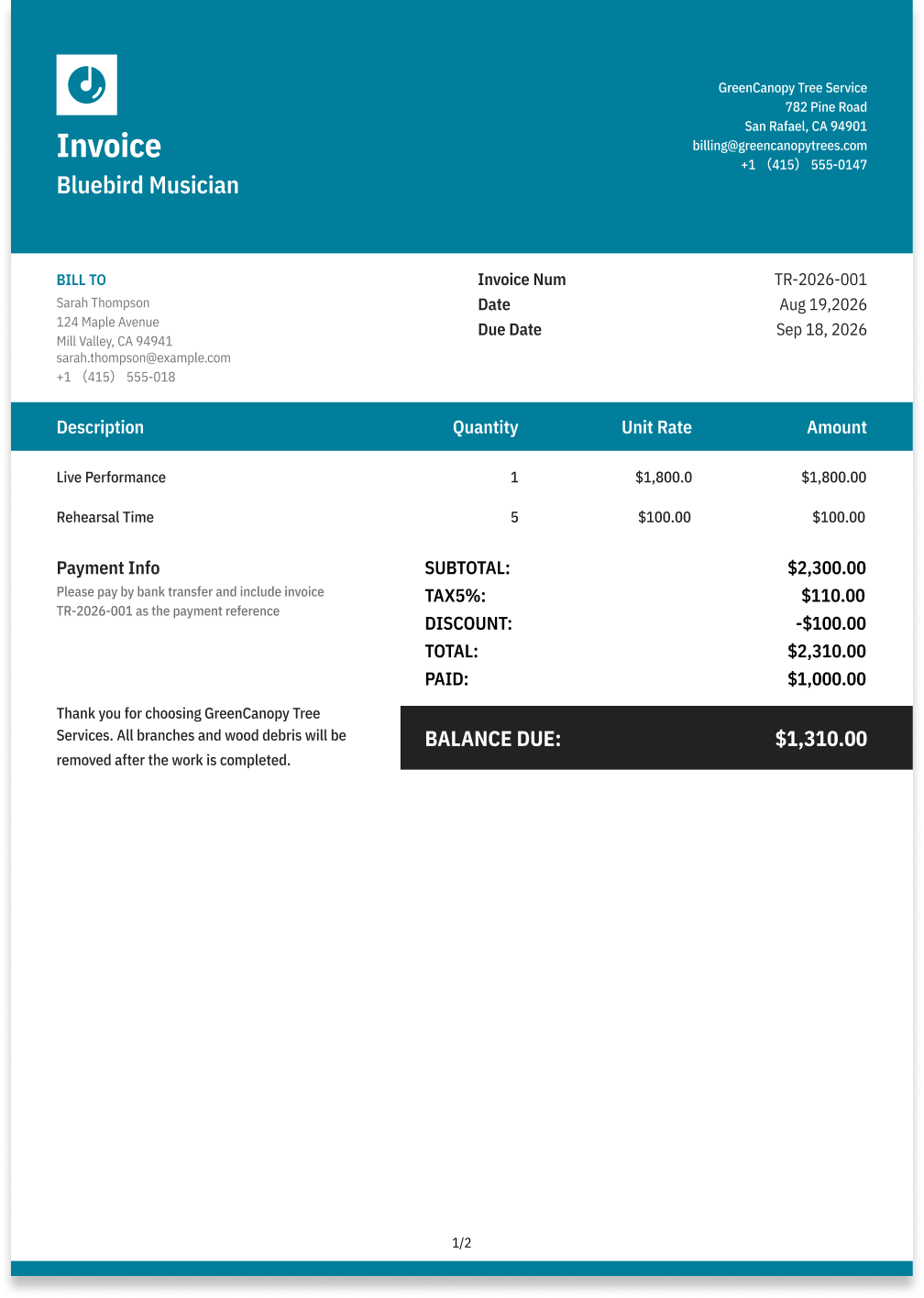
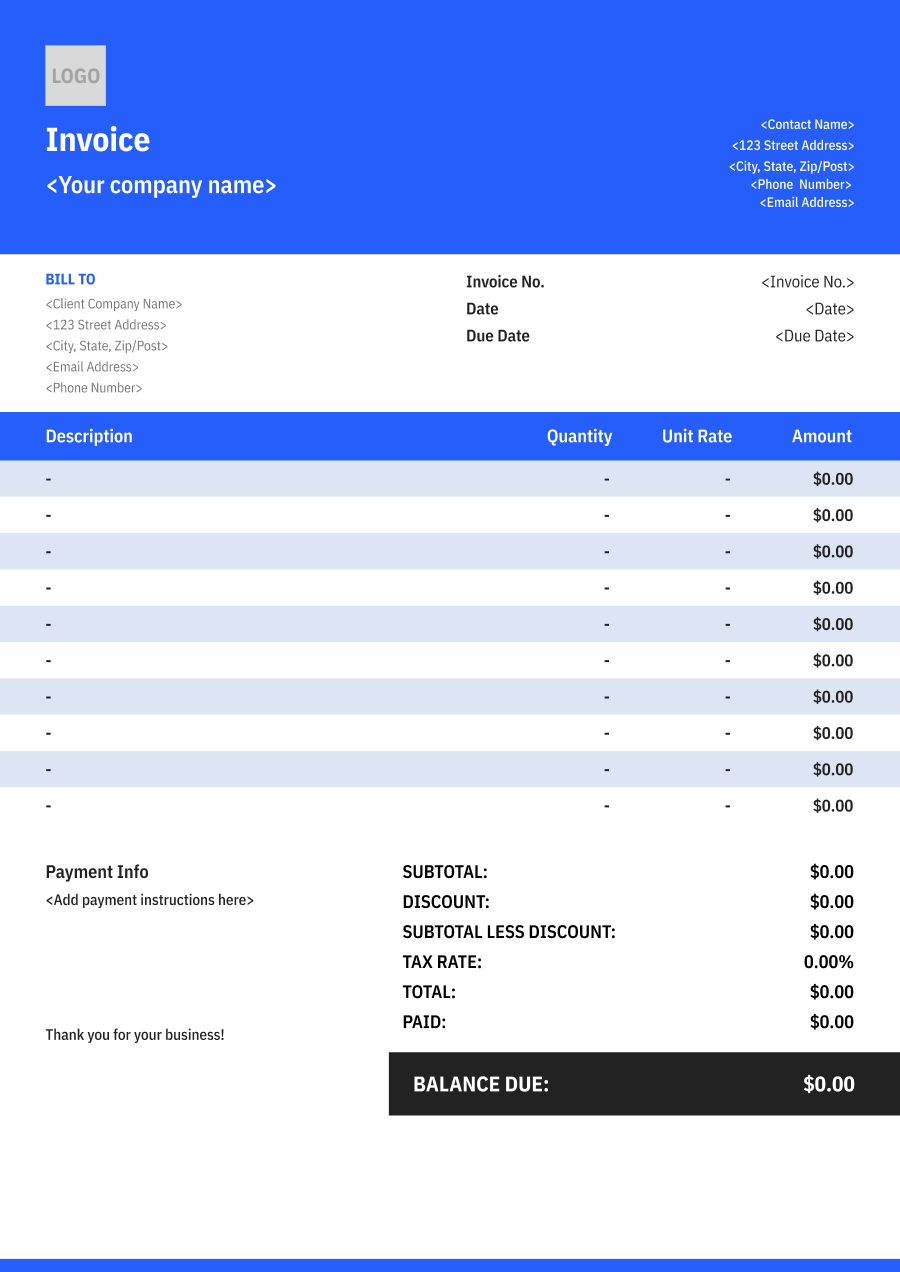
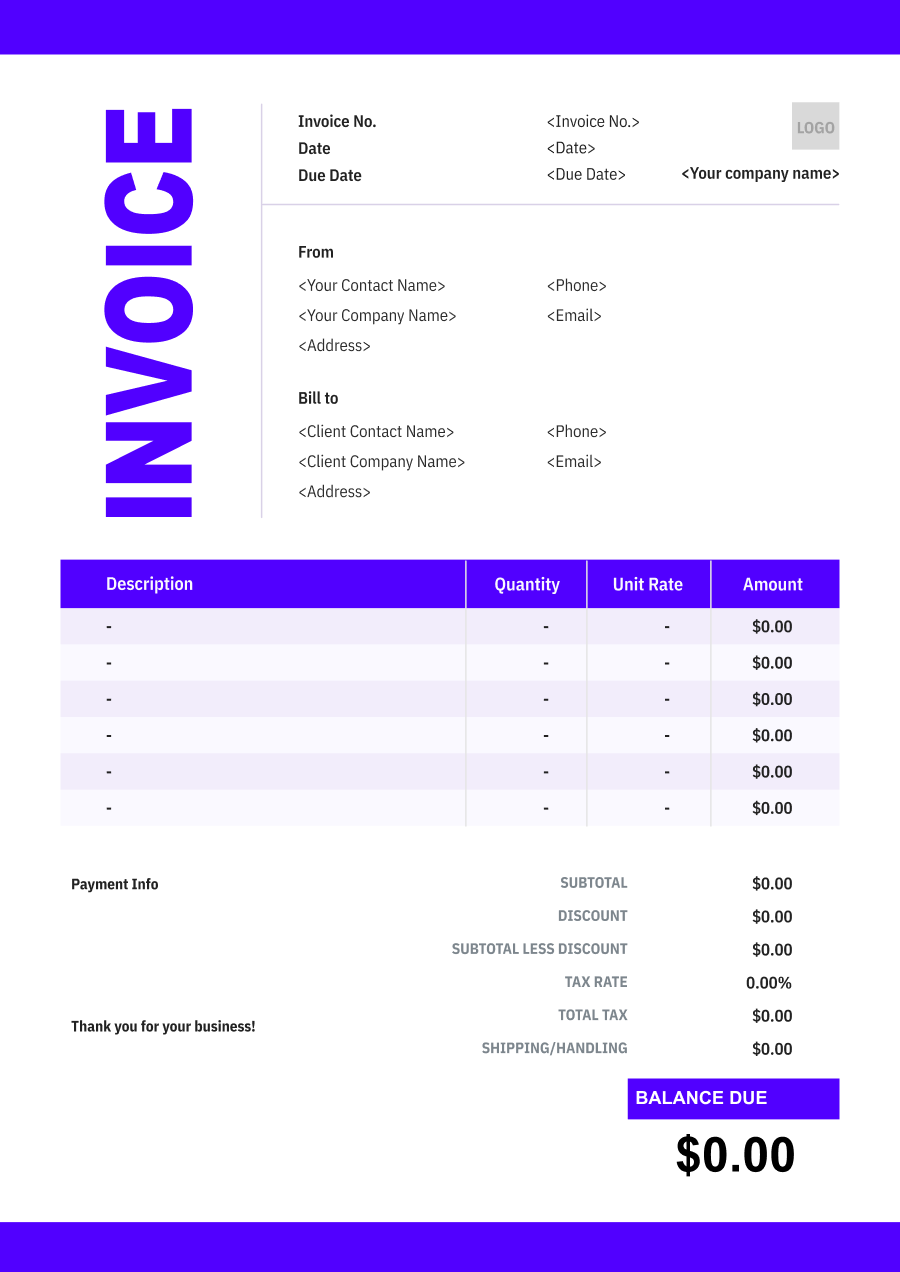
Choose the Best Invoice Template for Your Musician Business


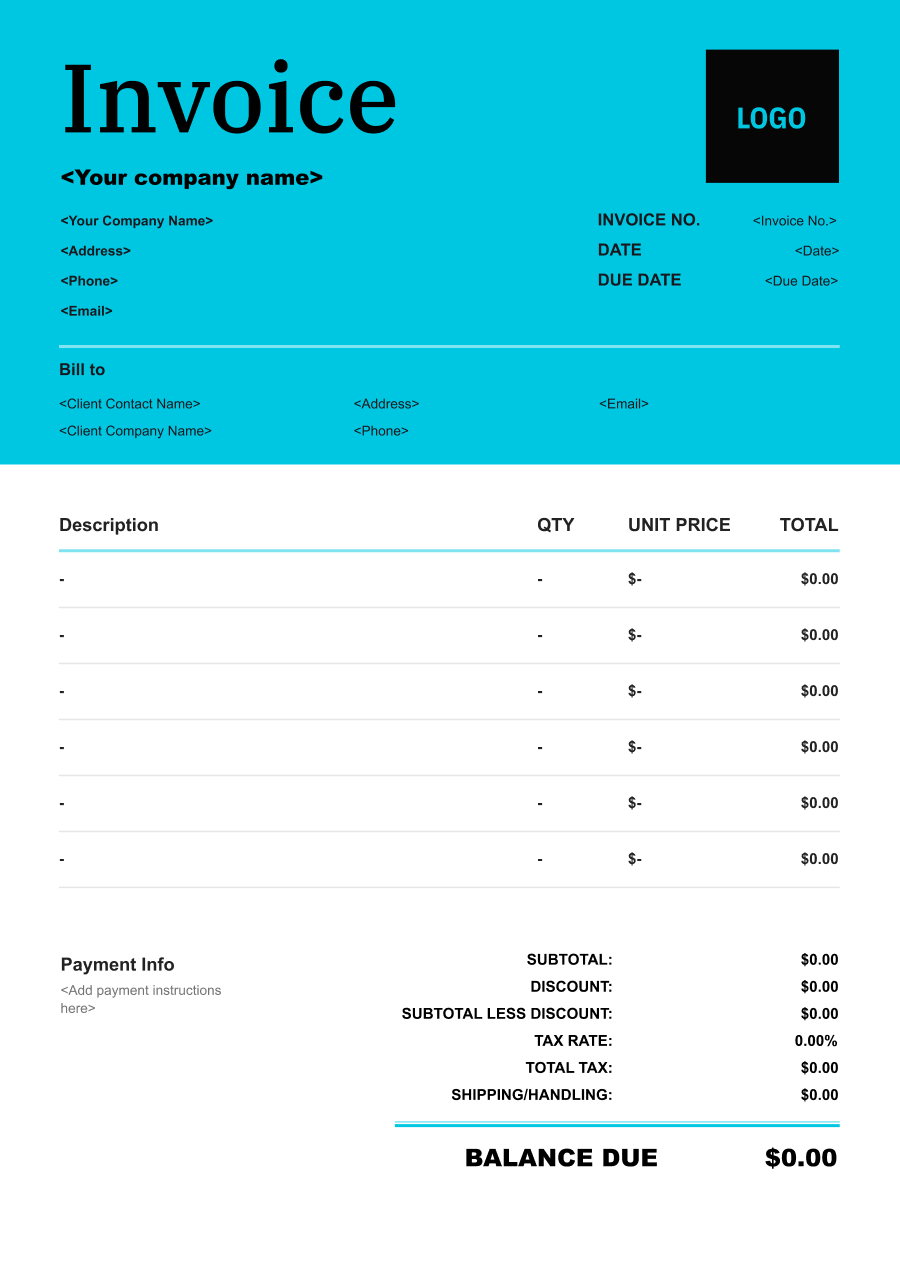
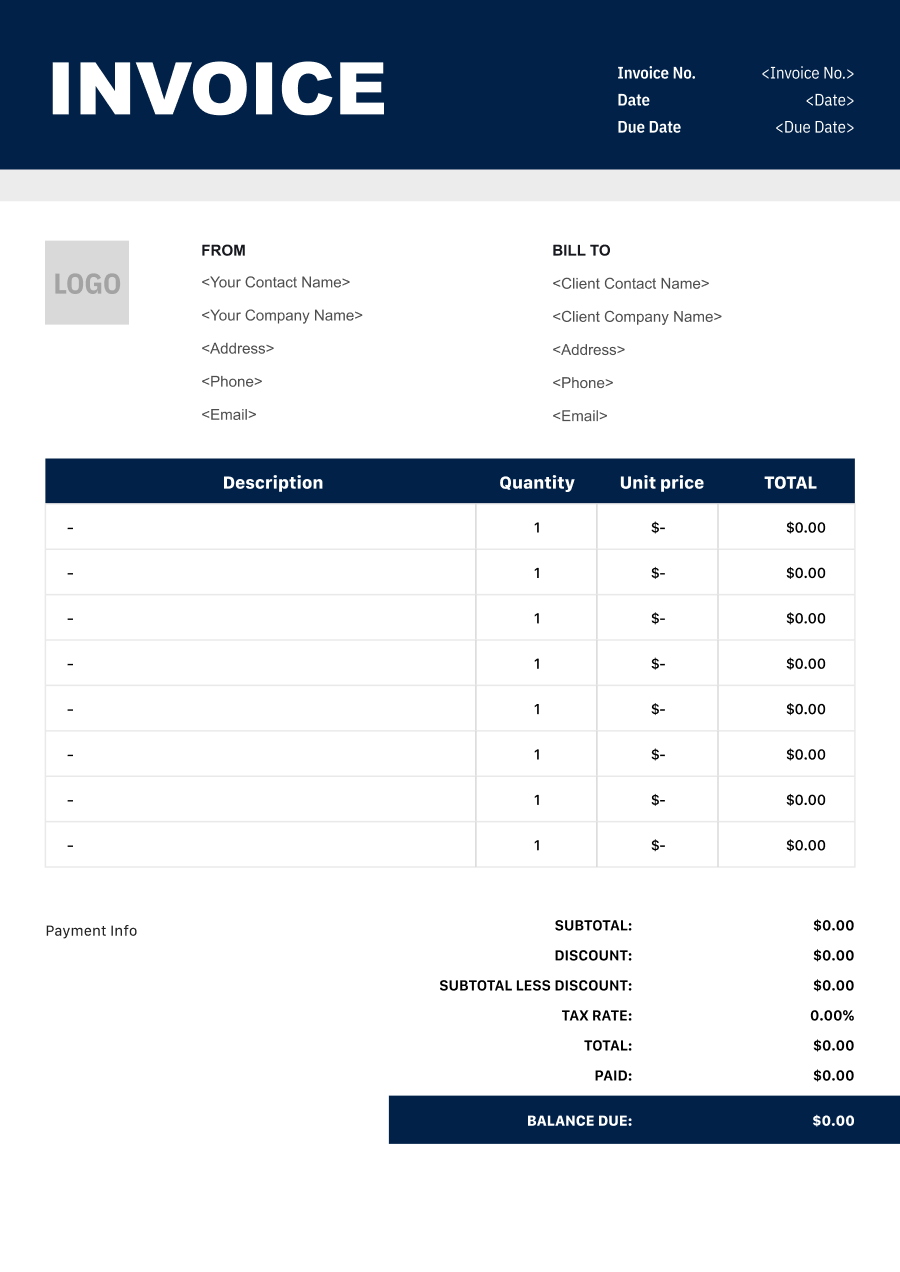
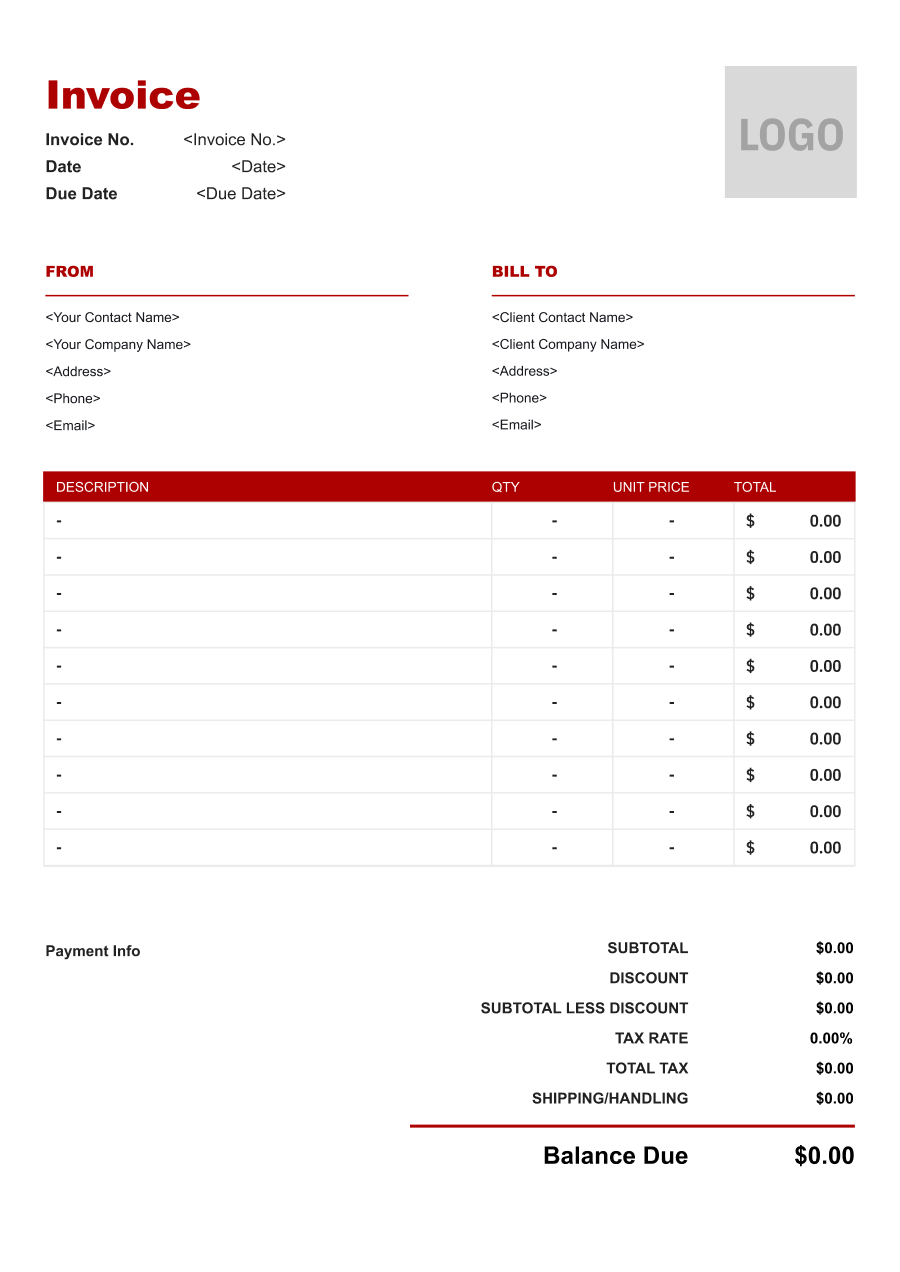
Create A Professional
Musician Invoice in Minutes
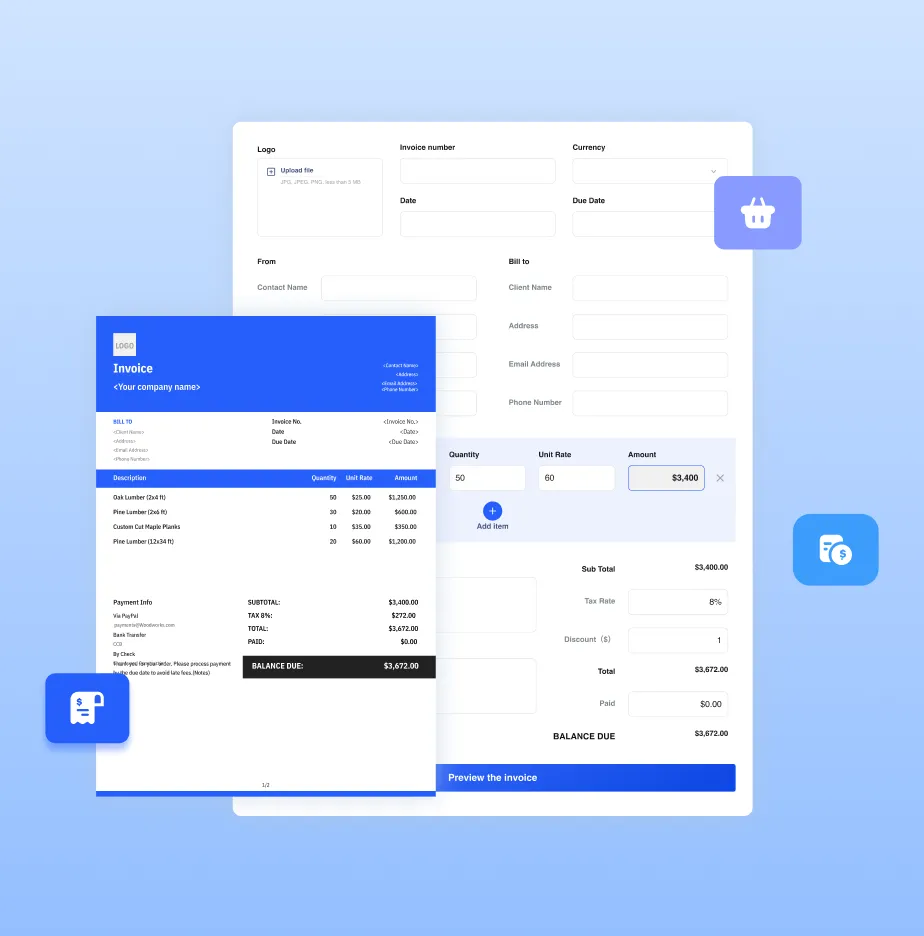
Add your musician business and client details, itemize the products or services provided, and generate a professional invoice when you are ready.
1
Invoice details
Set the document identity, dates and currency.
Logo

Upload file
JPG, JPEG, PNG, less than 5 MB
Invoice number
Currency
USD
Issue date
Due date
2
Business & client
Add the details your client needs to identify both parties
From
Company Name
Contact name
Address
Email Address
Phone Number
Bill To
Client name
Address
Email Address
Phone Number
3
Products & services
Itemize what you’re charging for. Totals update automatically.
4
Totals & payment
Apply adjustments and tell your client how to pay.
Payment instructions
Notes
Sub Total
$0.00
Tax Rate
%
Discount
$
Total
$0.00
Amount paid
$
Balance Due
$0.00
What to include in Musician Invoice
A clear musician invoice helps prevent disputes and ensures timely payment. Use this checklist to include the essential details.
- 1
Business Header & Contact
Company name, logo, phone number, email address, and physical business location.
- 2
Client Contact Information
Client's full name or business entity name, billing address, phone number, and email.
- 3
Invoice Metadata
Unique invoice number, invoice issue date, and payment due date (e.g., Net 15 / Due upon receipt).
- 4
Cost Summary & Taxes
Subtotal for services, local sales taxes (if applicable), applied discounts, and final bolded Total Due.
- 5
Deposit & Balance Tracking
Original estimate total, pre-paid deposit deductions (e.g., 'Less Deposit Received: -$500'), and remaining net balance due.
- 6
Payment Instructions
Accepted payment methods, including direct online payment links (Credit/ACH), check mailing address, or bank transfer details.
- 7
Performance & Event Details
Include the event date, venue, event type, performance time, and booking reference when applicable.
- 8
Performance Fee & Set Duration
State the agreed performance fee and the number or duration of sets covered by the booking.
- 9
Band Members & Additional Performers
When applicable, identify additional musicians, backup performers, session players, or other personnel whose fees are included in the engagement.
- 10
Equipment, Travel & Overtime
Separately identify sound equipment, instruments, setup, travel, mileage, parking, extended performance time, or other approved charges.
Common Musician Services & Billing Items
How Musician charges are typically structured and billed.
Common Services
What's Included
Billing Items
Live Performance
Performance date and location, Performer or act, Rehearsal or preparation hours, Date or event, and Event date and location
Performance FeesRehearsal/Preparation
Wedding Music
Performance date and location, Performer or act, Equipment type, Usage hours or rental period, and Event date and location
Performance FeesEquipment
Corporate Performance
Rehearsal or preparation hours, Date or event, Equipment type, Usage hours or rental period, and Event date and location
Rehearsal/PreparationEquipment
Private Event Performance
Performance date and location, Performer or act, Rehearsal or preparation hours, Date or event, Travel date, and Origin and destination
Performance FeesRehearsal/PreparationTravel
Studio Session
Rehearsal or preparation hours, Date or event, Travel date, Origin and destination, and Session date
Rehearsal/PreparationTravel
Music Equipment Rental
Performance date and location, Performer or act, Equipment type, Usage hours or rental period, Travel date, and Origin and destination
Performance FeesEquipmentTravel
Ceremony Music
Performance date and location, Performer or act, Rehearsal or preparation hours, Date or event, Equipment type, and Usage hours or rental period
Performance FeesRehearsal/PreparationEquipment
Performance Fees: Charges for the artist or performer's contracted performance.
Rehearsal/Preparation: Charges for rehearsal/preparation associated with the service or project.
Equipment: Charges for radios, monitoring devices, protective equipment, or other security equipment.
Travel: Charges for travel, mileage, transportation, or travel-related time.
Musician Invoicing Tips
Musician costs vary by service scope, pricing method, and additional requirements. A detailed invoice helps customers understand every charge and reduces payment disputes.
1
Separate Performance from Production Costs
A live music booking may include entertainment, sound, lighting, and setup. Best practice: distinguish the musician's performance fee from independently priced production services.
2
Specify Sets and Performance Hours
Event schedules can change during a performance. Best practice: state the contracted number of sets or performance hours and list approved overtime separately.
3
Track Deposits for Reserved Dates
Musicians may turn down other bookings after reserving an event date. Best practice: show the booking deposit, previous payments, and remaining balance clearly.
4
Itemize Additional Performers
Larger events may require additional musicians or vocalists. Best practice: identify these performers or groups separately when their fees affect the total.


Reusable Billing Structure in Invoice Software
Use the items above to quickly create a Musician Invoice Template in Invoice Zip.
FAQs about Musician Invoicing
Q: How should a musician invoice a live performance separately from equipment or production services?
A: The performance fee can be listed separately from equipment rental, sound support, lighting, or other production services. This makes the cost of the artist's performance distinct from technical services.
Q: How should a musician invoice for different performance sets at the same event?
A: Each set can be listed by duration or as part of an agreed performance package. Additional sets or extended playing time can be shown separately when they create additional charges.
Q: How should a musician charge for travel and accommodation for an out-of-town performance?
A: Travel, transportation, and accommodation expenses can be listed separately from the performance fee. This gives the event organizer a clear view of costs associated with bringing the musician to the venue.
Q: How should a musician invoice a deposit for a performance scheduled months in advance?
A: The invoice can show the total performance fee, deposit already received, and remaining balance. The event date and venue can also be included to connect the payment to the specific booking.
Q: How should a musician bill for custom songs or special arrangements requested for an event?
A: Custom songwriting, arrangements, rehearsals, or other special preparation can be listed separately from the standard performance fee. This reflects the additional creative work required before the event.
Other Free Resources

Try Invoice Zip Today
Start Sending Invoices, Building Reports, Saving Office
Time and Get Paid Faster.