

Courier Invoice Template
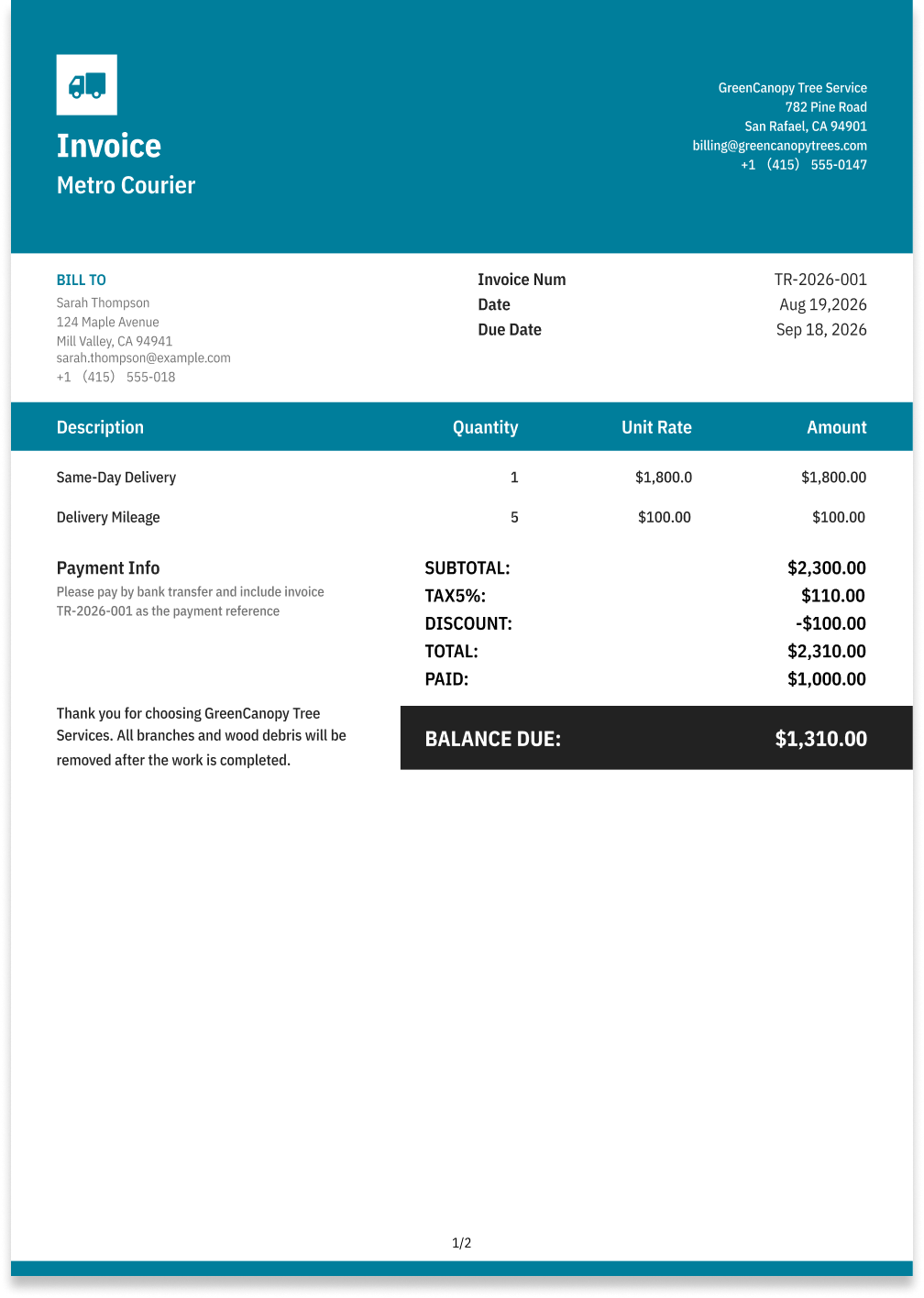
Create a professional courier invoice with editable invoice templates for deliveries, mileage, package handling, rush service, and other delivery charges.
Choose the Best Invoice Template for Your Courier Business


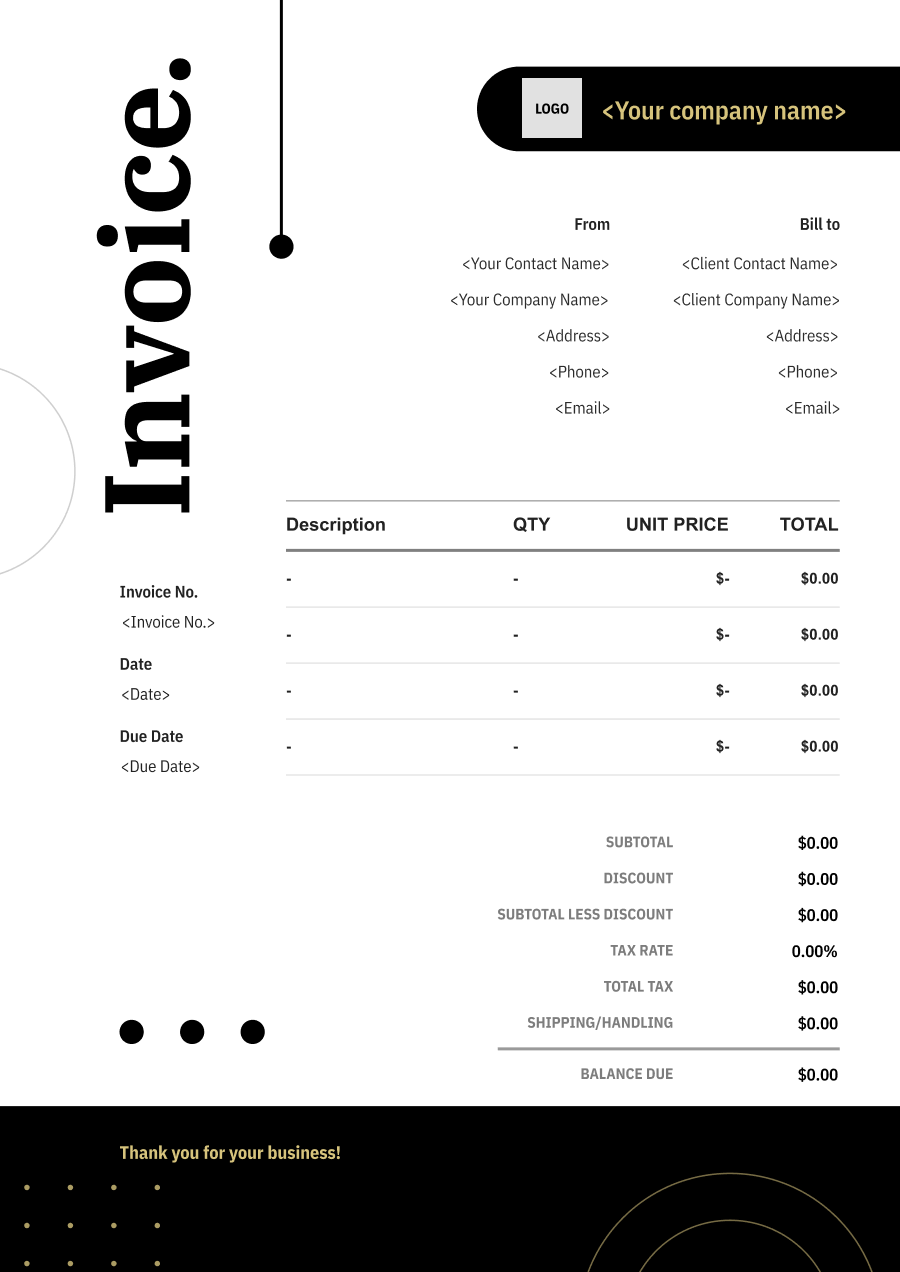
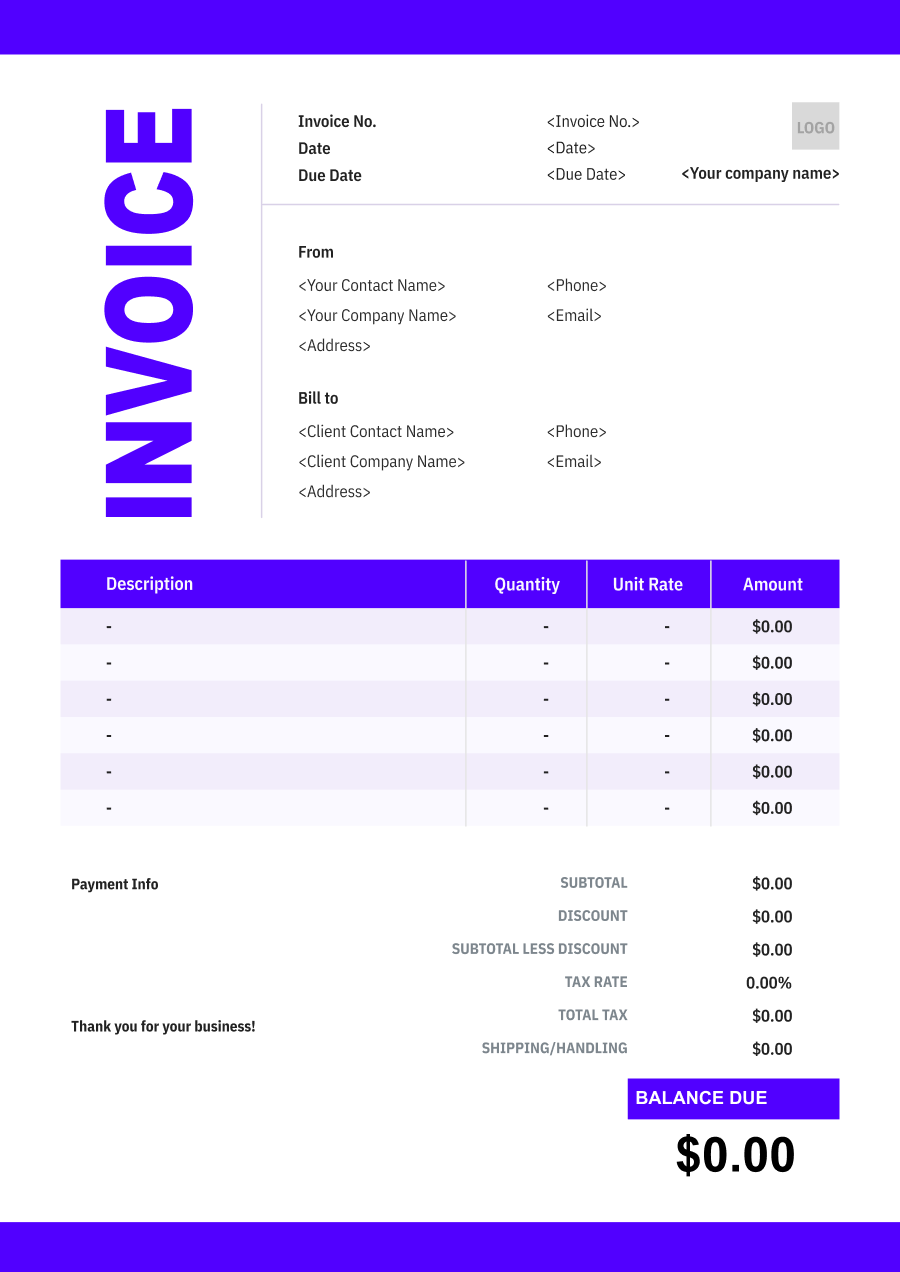
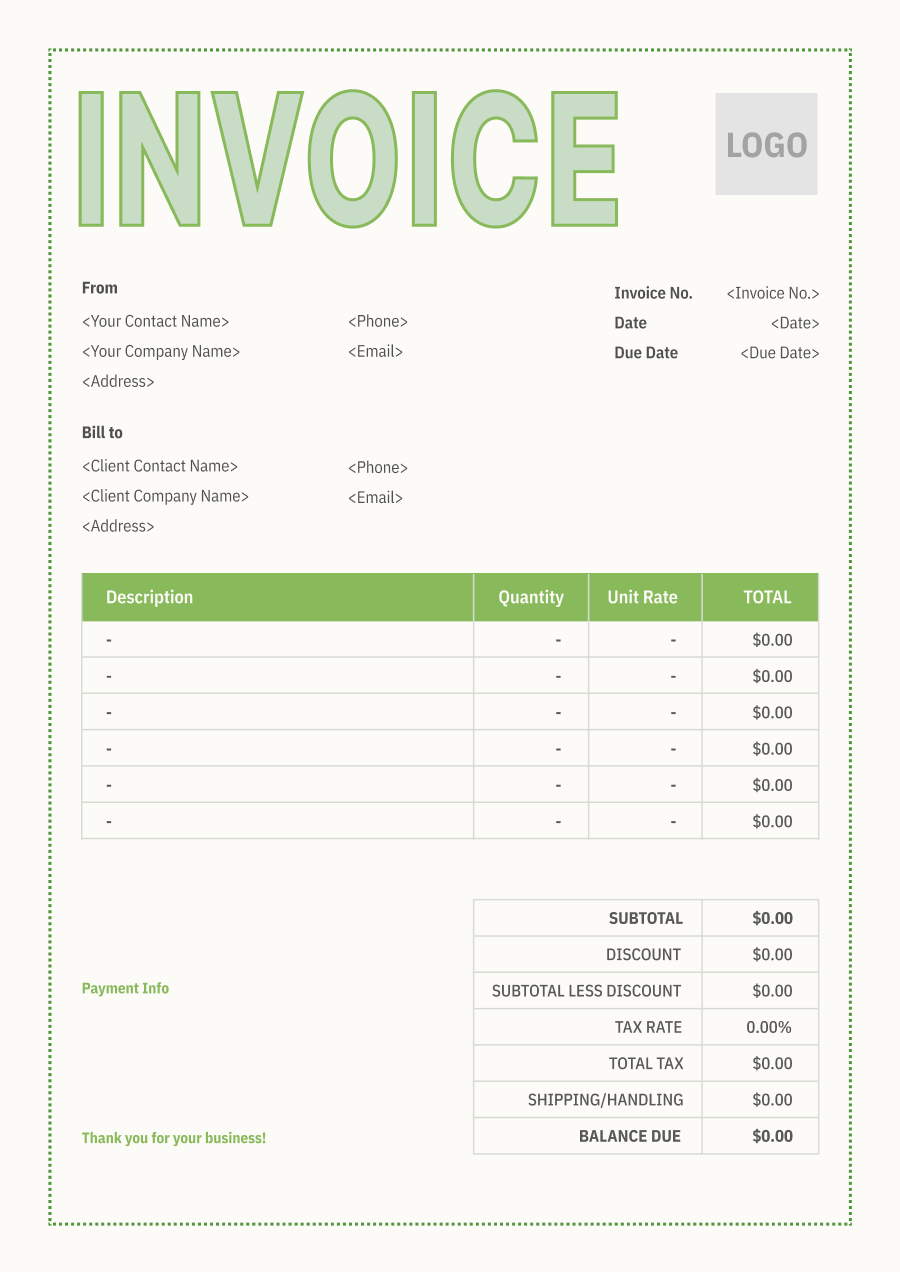
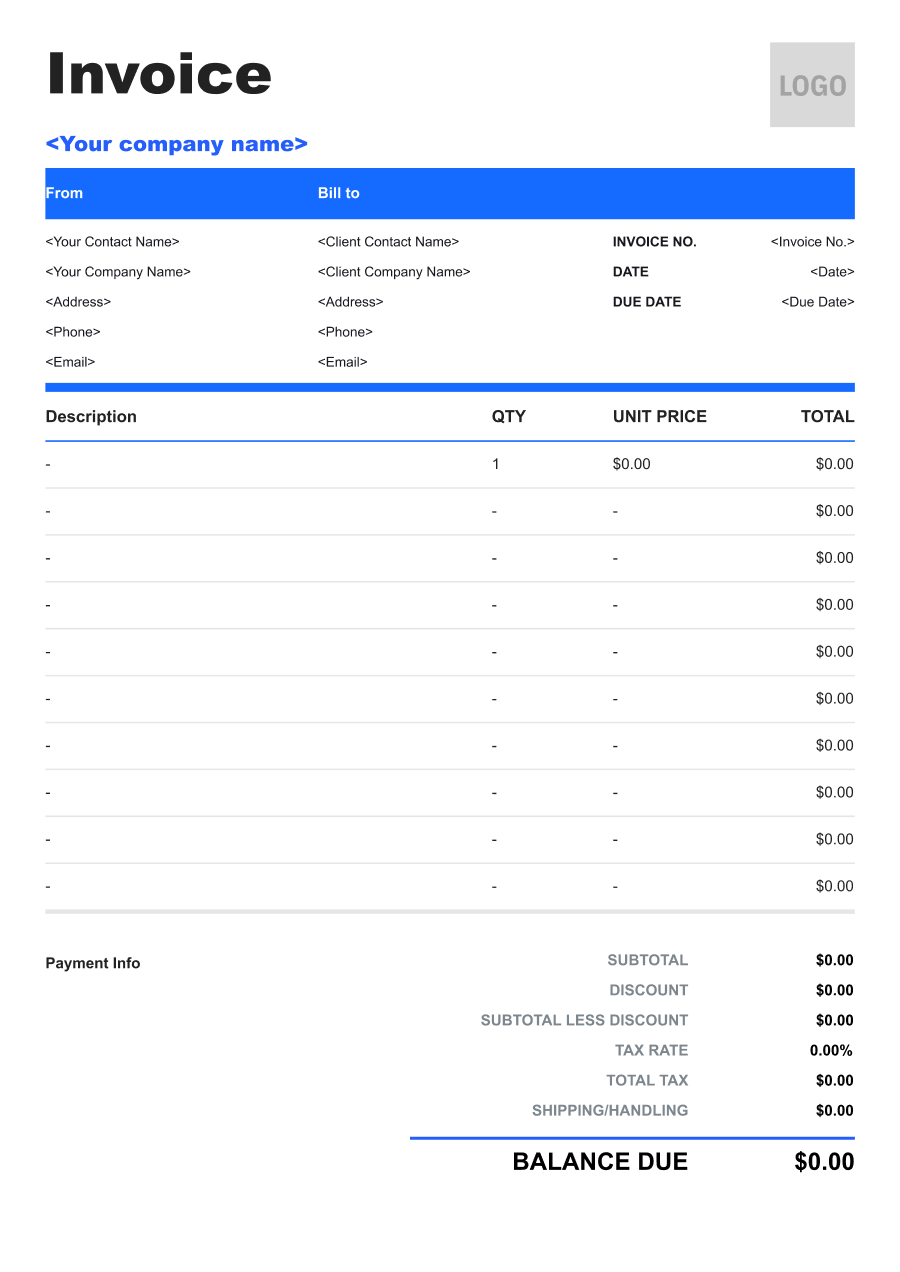
Create A Professional
Courier Invoice in Minutes
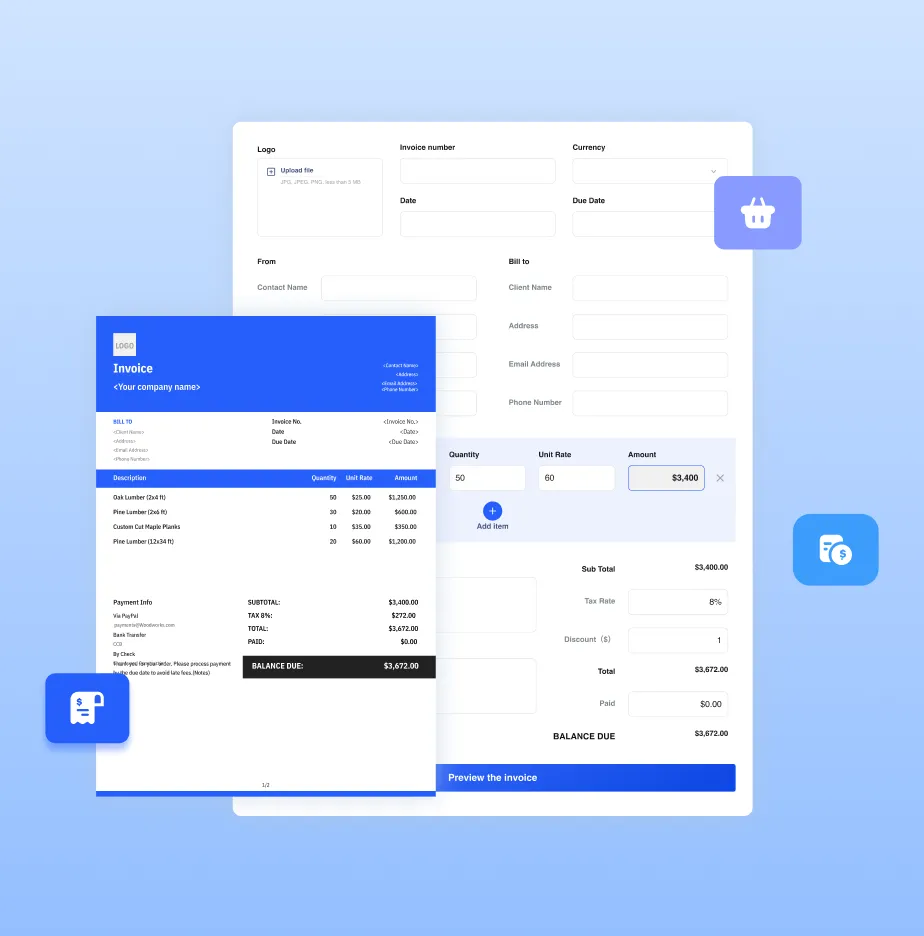
Add your courier business and client details, itemize the products or services provided, and generate a professional invoice when you are ready.
1
Invoice details
Set the document identity, dates and currency.
Logo

Upload file
JPG, JPEG, PNG, less than 5 MB
Invoice number
Currency
USD
Issue date
Due date
2
Business & client
Add the details your client needs to identify both parties
From
Company Name
Contact name
Address
Email Address
Phone Number
Bill To
Client name
Address
Email Address
Phone Number
3
Products & services
Itemize what you’re charging for. Totals update automatically.
4
Totals & payment
Apply adjustments and tell your client how to pay.
Payment instructions
Notes
Sub Total
$0.00
Tax Rate
%
Discount
$
Total
$0.00
Amount paid
$
Balance Due
$0.00
What to include in Courier Invoice
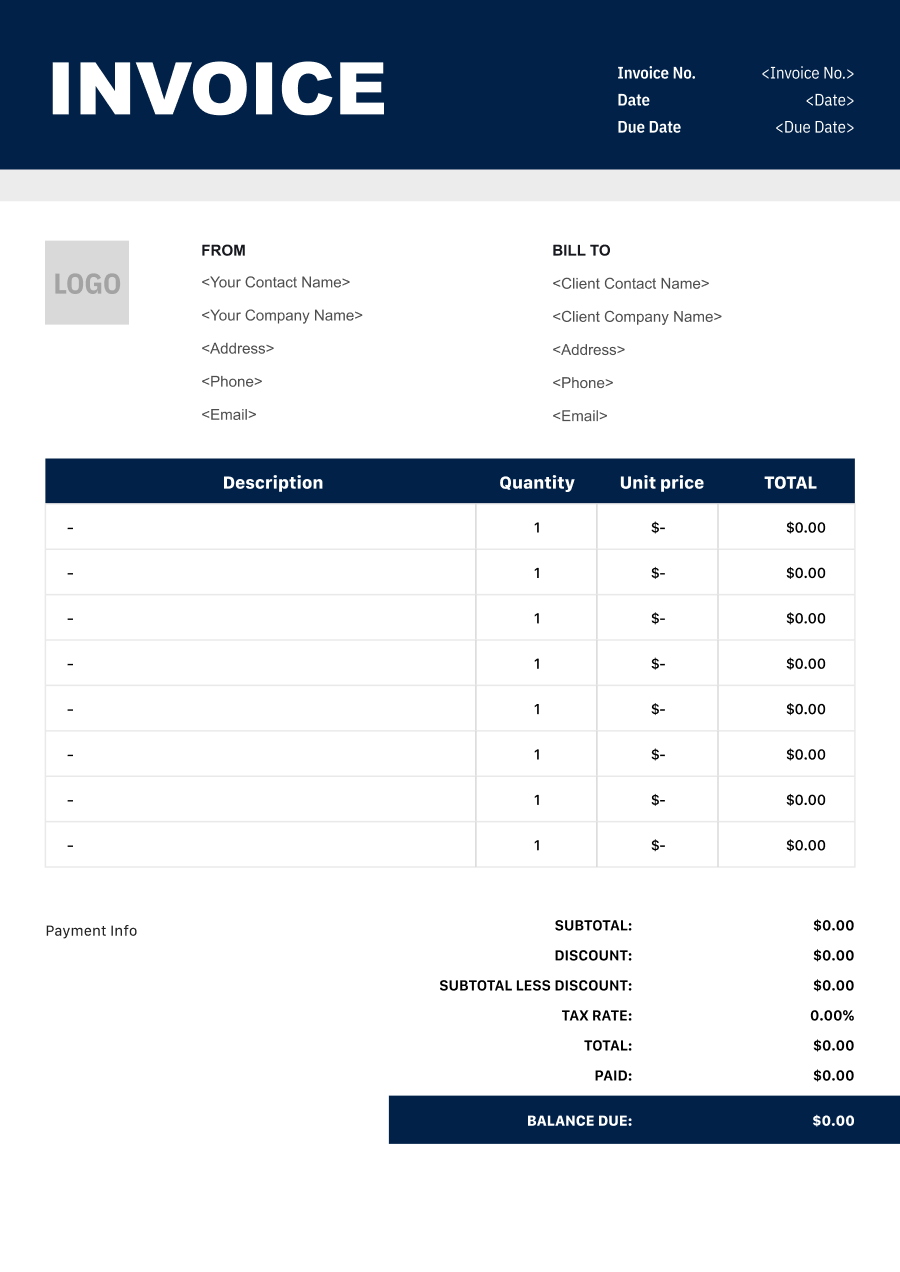
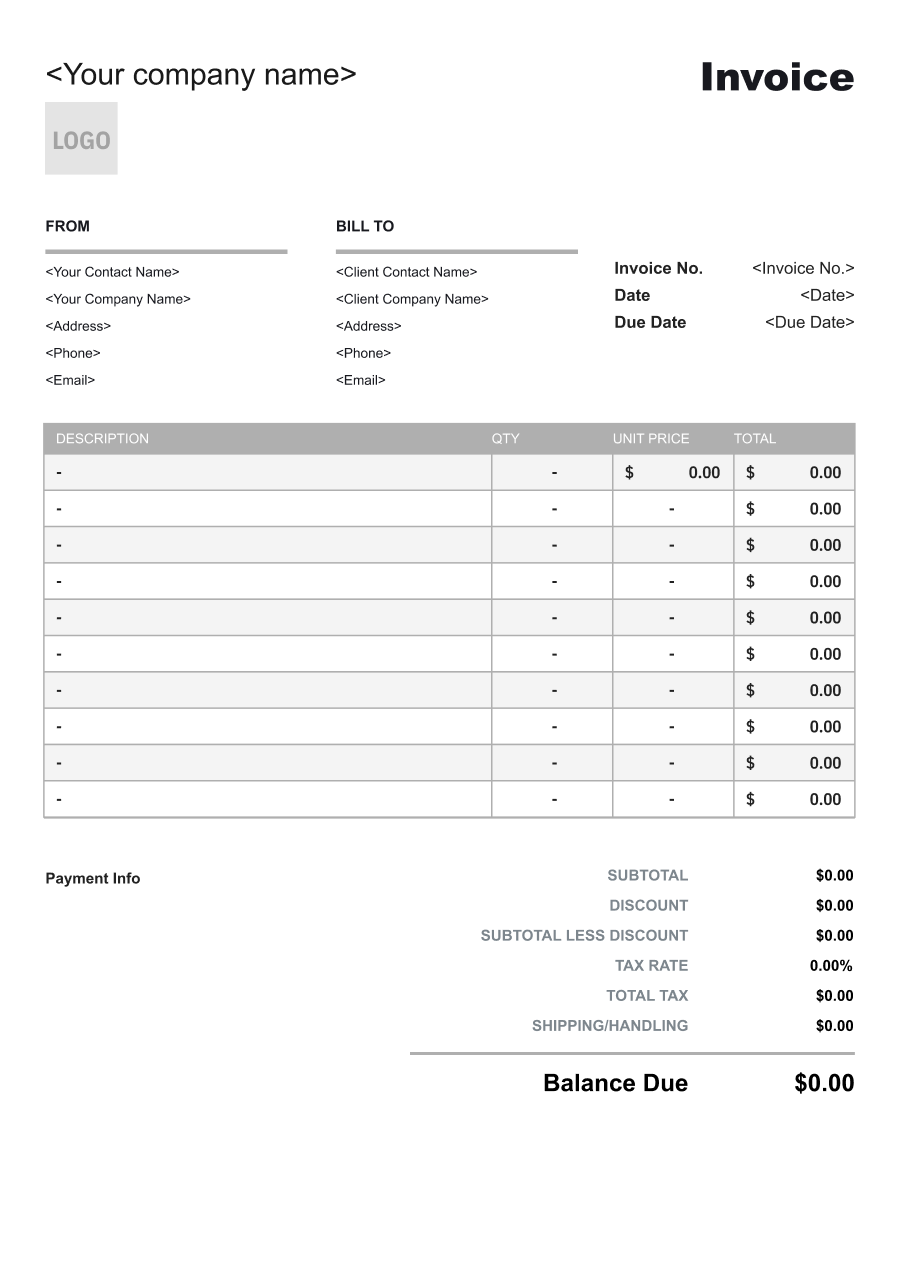
A clear courier invoice helps prevent disputes and ensures timely payment. Use this checklist to include the essential details.
- 1
Business Header & Contact
Company name, logo, phone number, email address, and physical business location.
- 2
Client Contact Information
Client's full name or business entity name, billing address, phone number, and email.
- 3
Invoice Metadata
Unique invoice number, invoice issue date, and payment due date (e.g., Net 15 / Due upon receipt).
- 4
Cost Summary & Taxes
Subtotal for services, local sales taxes (if applicable), applied discounts, and final bolded Total Due.
- 5
Deposit & Balance Tracking
Original estimate total, pre-paid deposit deductions (e.g., 'Less Deposit Received: -$500'), and remaining net balance due.
- 6
Payment Instructions
Accepted payment methods, including direct online payment links (Credit/ACH), check mailing address, or bank transfer details.
- 7
Shipment & Delivery Details
Include the pickup and delivery locations, shipment date, delivery date when completed, tracking number, and package or shipment reference. These details allow the customer to connect the invoice to a specific delivery.
- 8
Package Count & Weight
Record the number of packages, shipment weight, dimensions, or other pricing factors used to calculate the delivery charge.
- 9
Delivery Type & Service Level
Identify the service used, such as same-day, overnight, standard, express, scheduled, or local delivery. Include any agreed service-level requirements when relevant.
- 10
Surcharges & Additional Delivery Services
Itemize fuel surcharges, waiting time, residential delivery fees, extra stops, oversized-package fees, after-hours delivery, redelivery, or other additional charges separately.
Common Courier Services & Billing Items
How Courier charges are typically structured and billed.
Common Services
What's Included
Billing Items
Same-Day Delivery
Delivery date, Pickup and delivery locations, Miles traveled, Travel route or locations, and Items or quantity handled
Delivery FeesMileage
Scheduled Delivery
Delivery date, Pickup and delivery locations, Items handled, Handling method or scope, and Items or quantity handled
Delivery FeesHandling
Express Delivery
Miles traveled, Travel route or locations, Items handled, Handling method or scope, and Pickup and delivery locations
MileageHandling
Document Delivery
Delivery date, Pickup and delivery locations, Miles traveled, Travel route or locations, Charge reason, and Related service or item
Delivery FeesMileageAdditional Charges
Package Delivery
Miles traveled, Travel route or locations, Charge reason, Related service or item, and Pickup and delivery locations
MileageAdditional Charges
Multi-Stop Delivery
Delivery date, Pickup and delivery locations, Items handled, Handling method or scope, Charge reason, and Related service or item
Delivery FeesHandlingAdditional Charges
Oversized Delivery
Delivery date, Pickup and delivery locations, Miles traveled, Travel route or locations, Items handled, and Handling method or scope
Delivery FeesMileageHandling
Delivery Fees: Charges for transporting a shipment or package from pickup to delivery.
Mileage: Distance-based towing or transportation charges.
Handling: Charges for loading, unloading, packaging, or special handling.
Additional Charges: Charges for emergency service, after-hours work, special access, or unusual job conditions.
Courier Invoicing Tips
Courier costs vary by service scope, pricing method, and additional requirements. A detailed invoice helps customers understand every charge and reduces payment disputes.
1
Match Every Charge to a Shipment
Customers may have dozens or hundreds of deliveries on a single invoice. Best practice: include a tracking number, shipment reference, or delivery date with each charge so accounts payable can reconcile the invoice against shipping records.
2
Separate Base Delivery Fees from Surcharges
Fuel, waiting time, extra stops, and special handling can materially change the final delivery price. Best practice: show these charges separately rather than folding them into an unexplained delivery fee.
3
Consolidate High-Volume Deliveries by Billing Period
Business customers often prefer one invoice covering many deliveries. Best practice: state the billing period and provide a shipment-level breakdown so the invoice remains easy to reconcile without creating a separate invoice for every package.
4
Document Failed or Reattempted Deliveries
Delivery attempts may fail because of an unavailable recipient, incorrect address, or access issue. Best practice: record the original attempt and any reattempt or redelivery charge separately, with enough shipment information to explain the additional fee.


Reusable Billing Structure in Invoice Software
Use the items above to quickly create a Courier Invoice Template in Invoice Zip.
FAQs about Courier Invoicing
Q: How should a courier invoice calculate charges for multiple deliveries in one billing period?
A: List each delivery or group deliveries by route or service date, showing the applicable delivery fee. For regular business customers, the invoice can summarize all completed deliveries during the billing period.
Q: How should courier invoices handle additional charges for distance, waiting time, or special handling?
A: Additional charges should be listed separately from the standard delivery fee. Identifying the reason for each surcharge makes it easier for the customer to verify costs that were not part of the basic delivery rate.
Q: How should a courier company bill for same-day or rush deliveries?
A: Same-day or expedited deliveries can be identified as a premium service and billed at the agreed rush rate. The invoice should distinguish the expedited fee from the standard delivery charge.
Q: Should a courier invoice include pickup and delivery details?
A: Yes. Including the pickup date, delivery date, shipment reference, or other non-sensitive delivery details can help the customer match each charge to a completed shipment.
Q: How should a courier invoice handle failed deliveries or redelivery attempts?
A: If the service agreement allows additional charges, a failed delivery or redelivery can be listed as a separate service. The invoice should briefly identify the additional attempt rather than simply increasing the original delivery fee.
Other Free Resources

Try Invoice Zip Today
Start Sending Invoices, Building Reports, Saving Office
Time and Get Paid Faster.