

Event Planner Invoice Template
Create a professional event planner invoice with editable invoice templates for planning, coordination, vendors, setup, event staffing, and other event expenses.
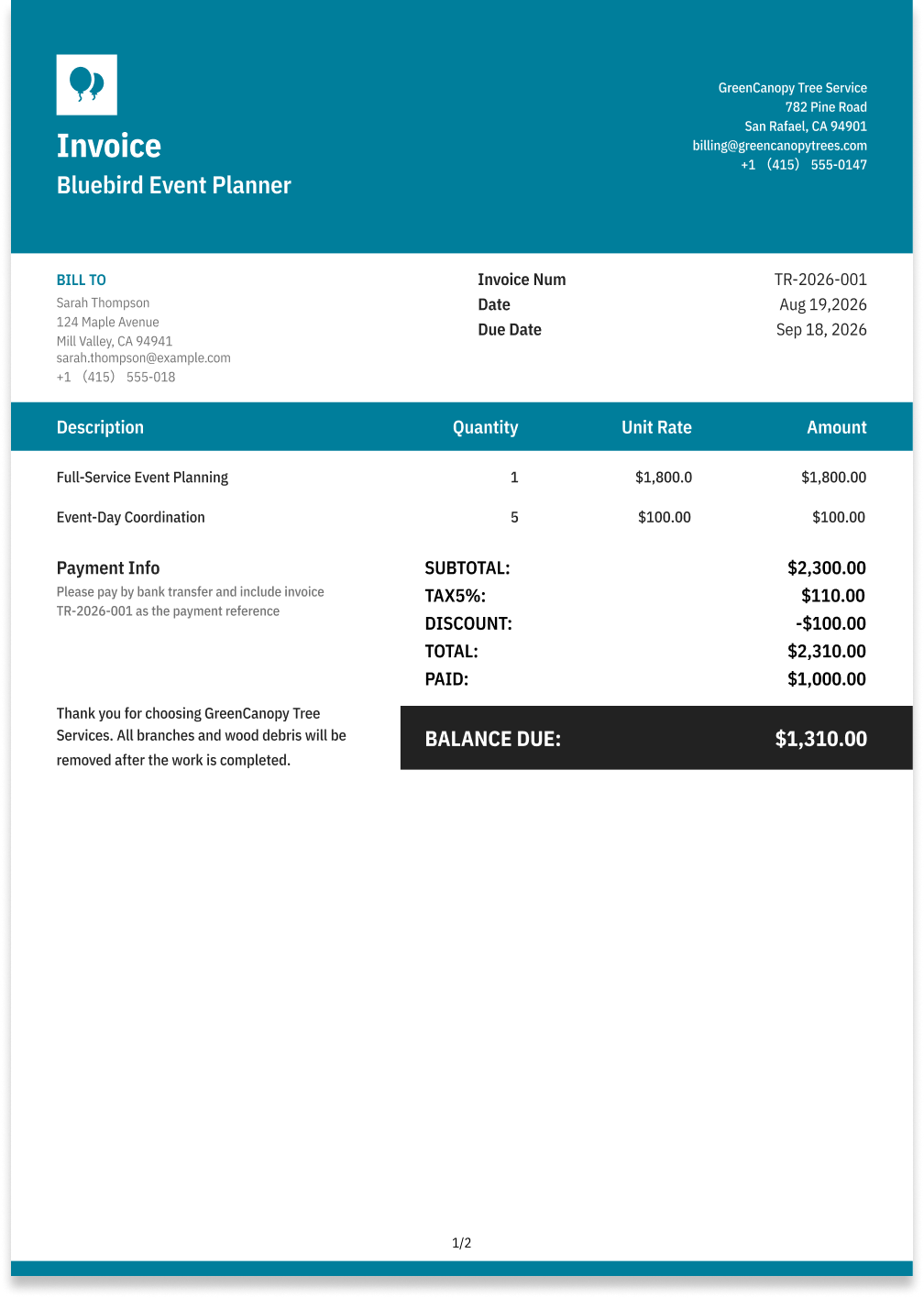
Choose the Best Invoice Template for Your Event Planner Business


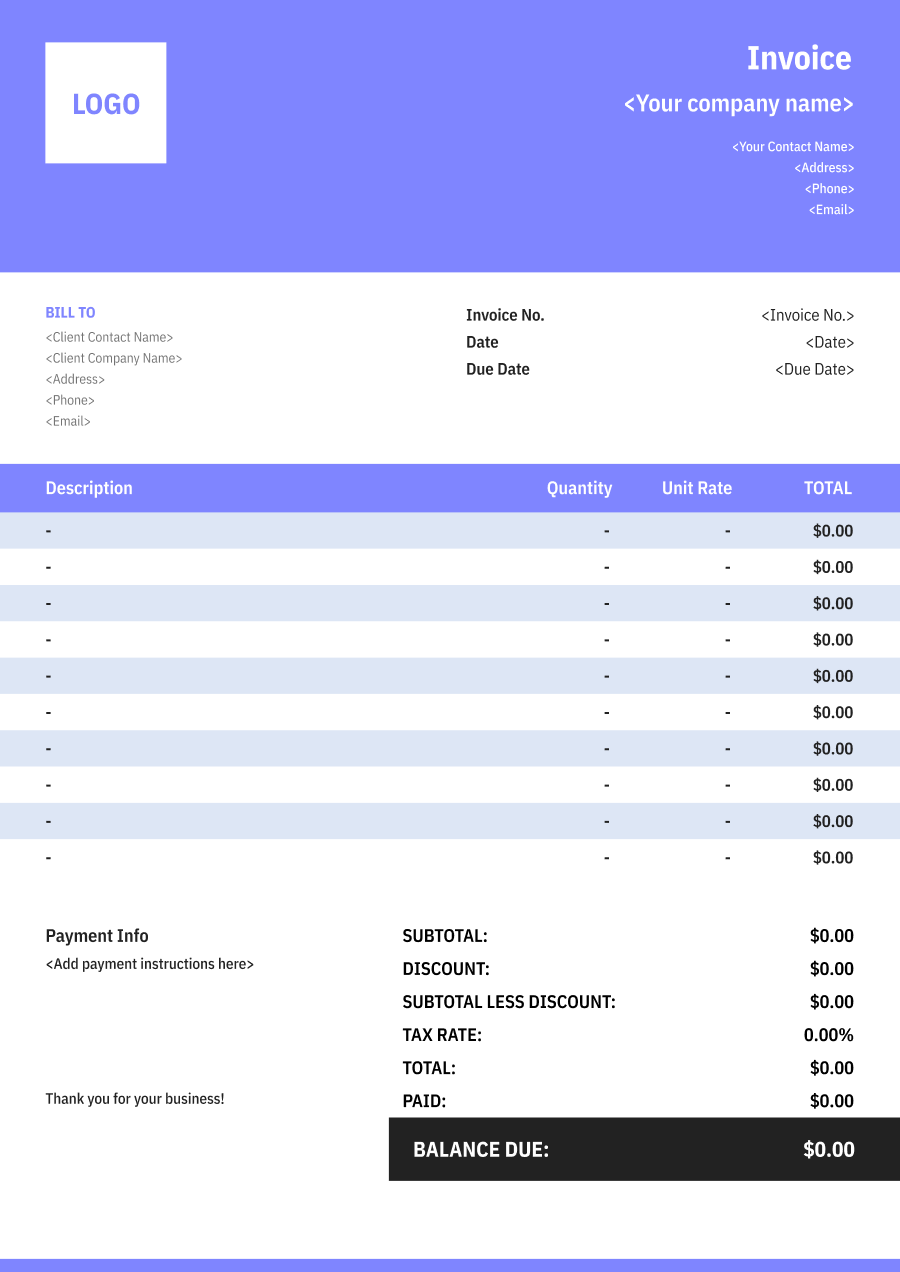
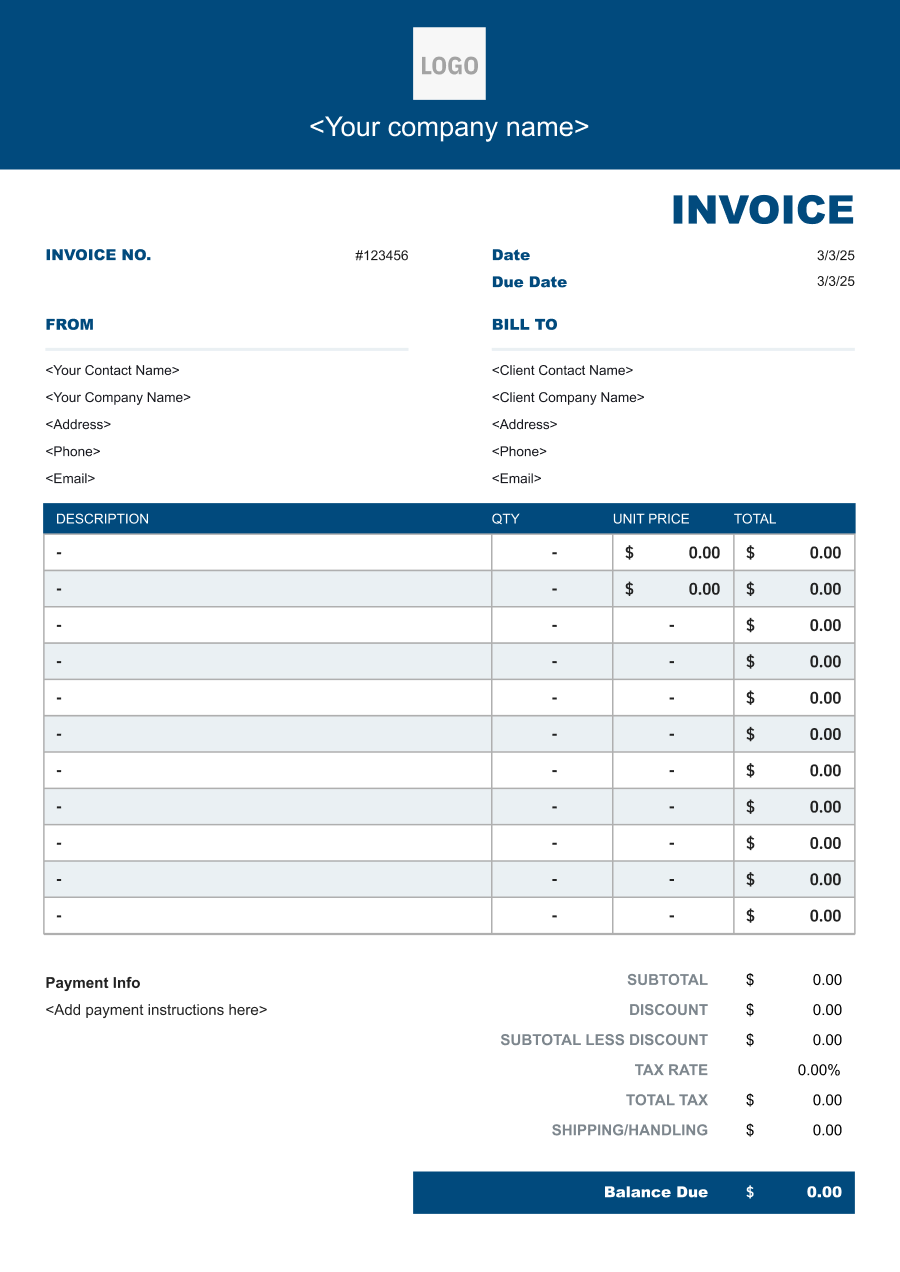
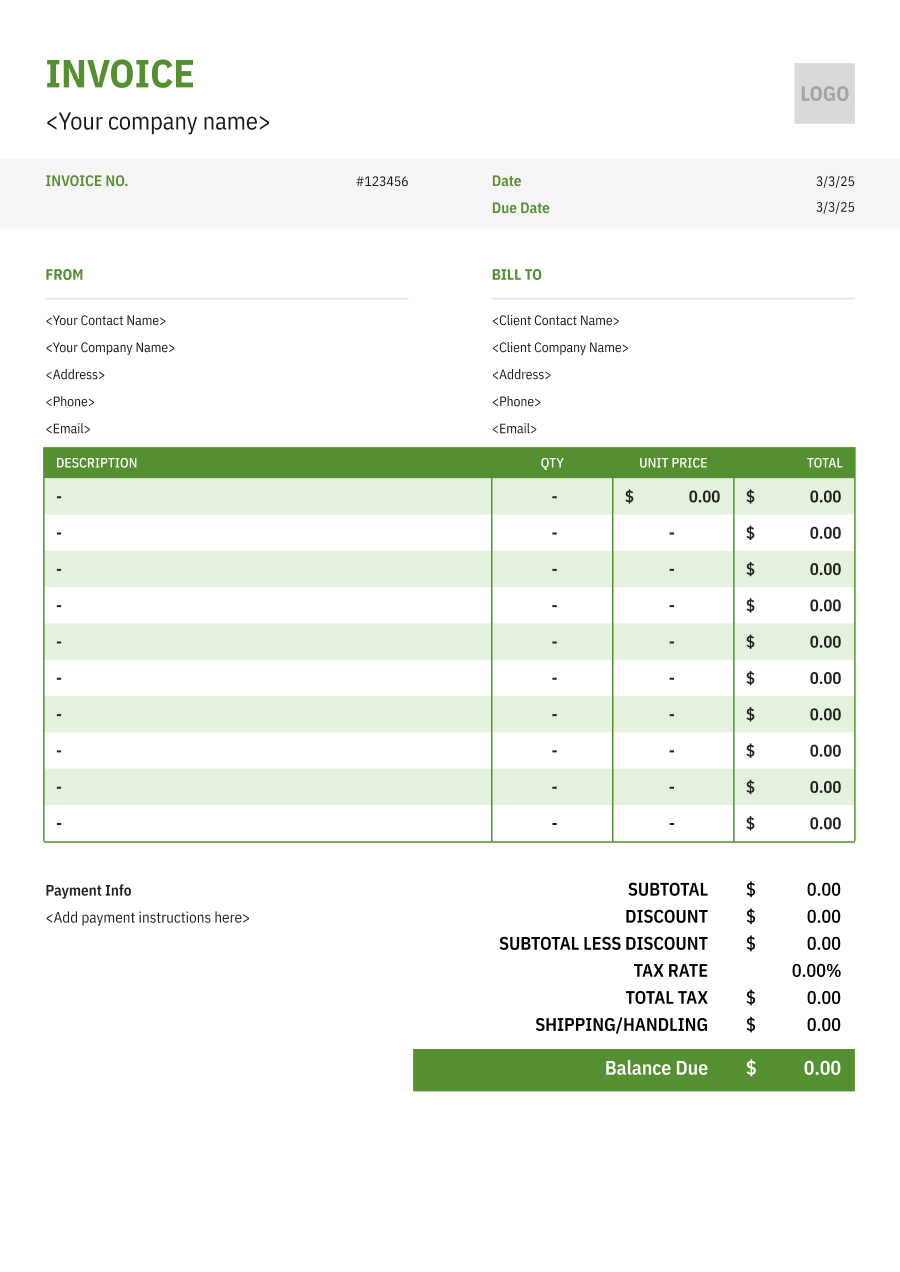
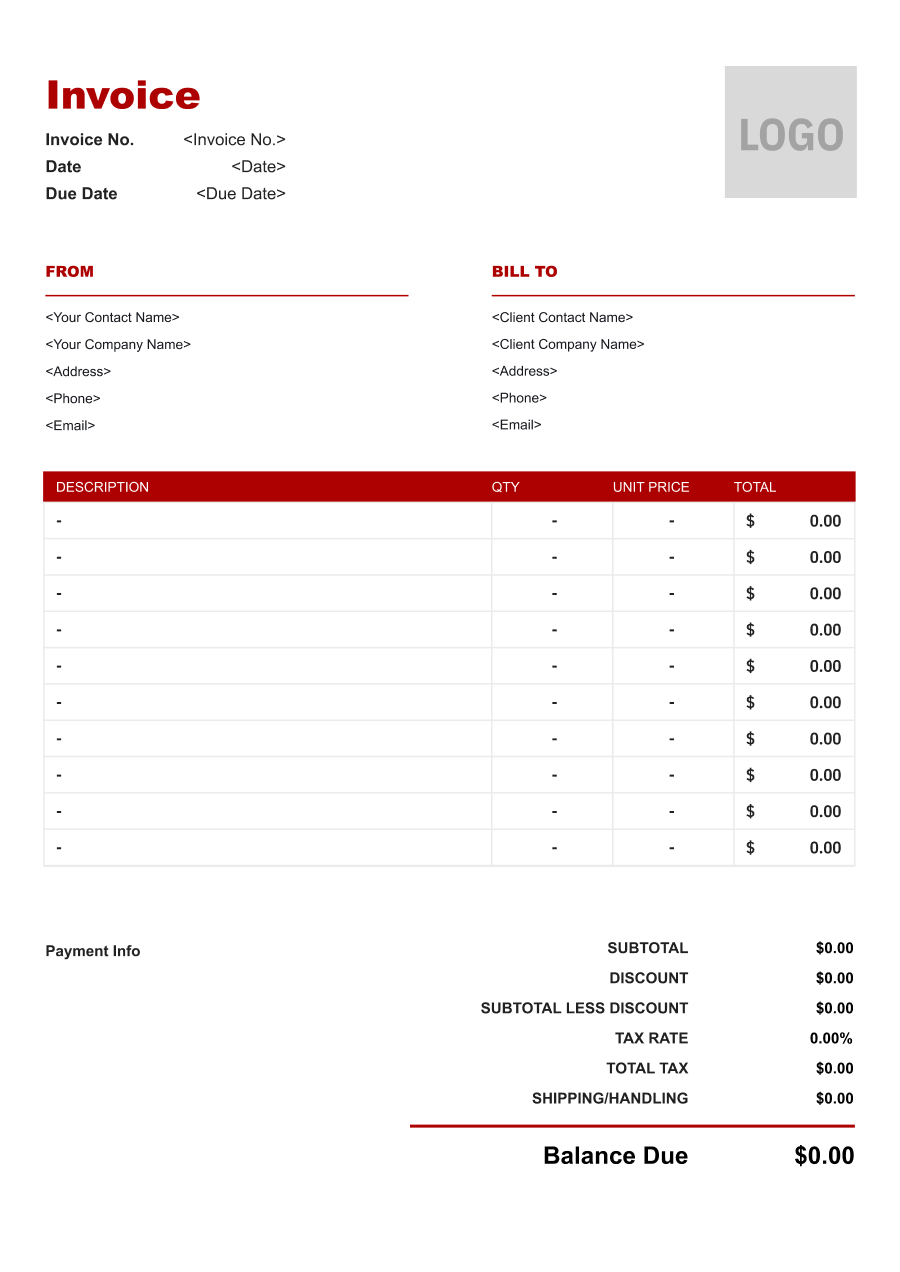
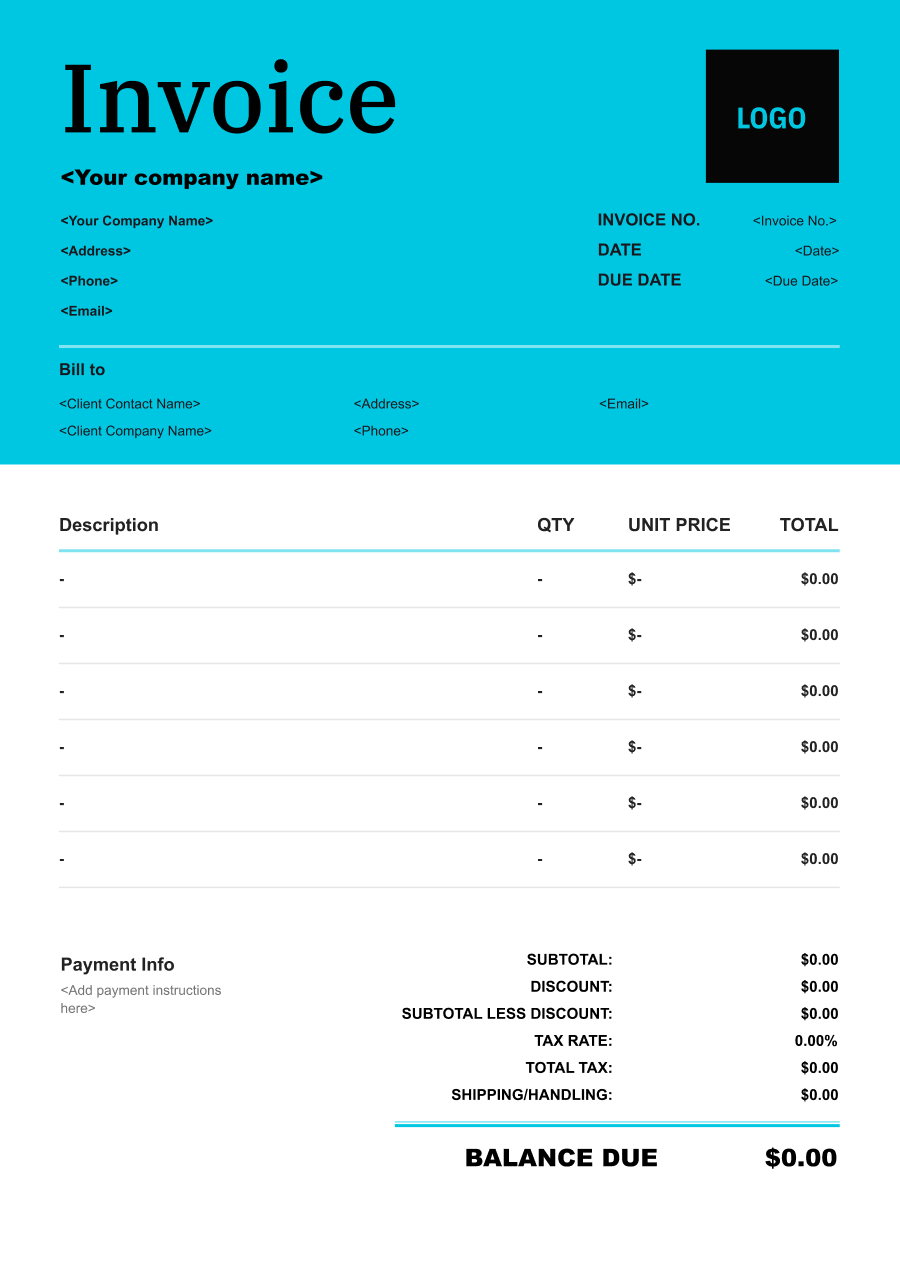
Create A Professional
Event Planner Invoice in Minutes
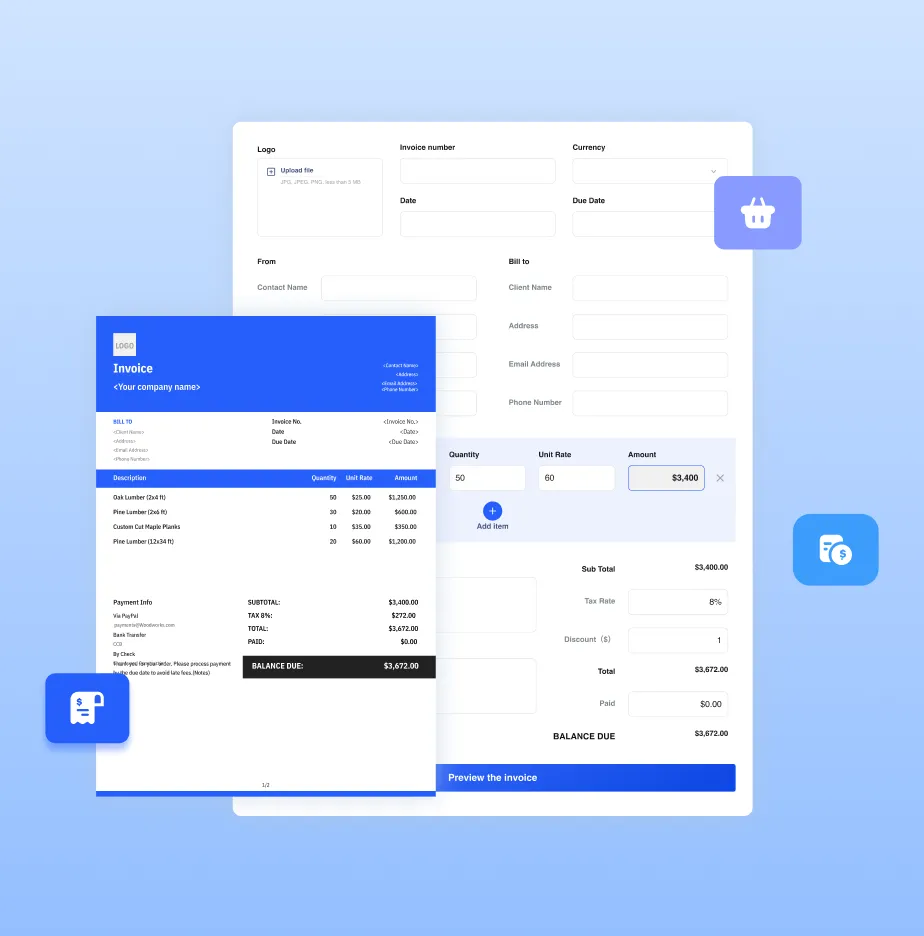
Add your event planner business and client details, itemize the products or services provided, and generate a professional invoice when you are ready.
1
Invoice details
Set the document identity, dates and currency.
Logo

Upload file
JPG, JPEG, PNG, less than 5 MB
Invoice number
Currency
USD
Issue date
Due date
2
Business & client
Add the details your client needs to identify both parties
From
Company Name
Contact name
Address
Email Address
Phone Number
Bill To
Client name
Address
Email Address
Phone Number
3
Products & services
Itemize what you’re charging for. Totals update automatically.
4
Totals & payment
Apply adjustments and tell your client how to pay.
Payment instructions
Notes
Sub Total
$0.00
Tax Rate
%
Discount
$
Total
$0.00
Amount paid
$
Balance Due
$0.00
What to include in Event Planner Invoice
A clear event planner invoice helps prevent disputes and ensures timely payment. Use this checklist to include the essential details.
- 1
Business Header & Contact
Company name, logo, phone number, email address, and physical business location.
- 2
Client Contact Information
Client's full name or business entity name, billing address, phone number, and email.
- 3
Invoice Metadata
Unique invoice number, invoice issue date, and payment due date (e.g., Net 15 / Due upon receipt).
- 4
Cost Summary & Taxes
Subtotal for services, local sales taxes (if applicable), applied discounts, and final bolded Total Due.
- 5
Deposit & Balance Tracking
Original estimate total, pre-paid deposit deductions (e.g., 'Less Deposit Received: -$500'), and remaining net balance due.
- 6
Payment Instructions
Accepted payment methods, including direct online payment links (Credit/ACH), check mailing address, or bank transfer details.
- 7
Event & Planning Scope
Include the event date, venue, event type, planning period, and main services provided for the engagement.
- 8
Planning & Coordination Fees
Identify planning, vendor coordination, timeline management, event-day coordination, guest management, or other professional services.
- 9
Vendor & Event Expenses
Separately identify venue, catering, entertainment, décor, rentals, transportation, printing, or other vendor costs paid or coordinated through the planner.
- 10
Deposits & Event Changes
Show deposits, previous payments, approved upgrades, additional guests, schedule changes, cancellations, or other adjustments affecting the final balance.
Common Event Planner Services & Billing Items
How Event Planner charges are typically structured and billed.
Common Services
What's Included
Billing Items
Event Planning
Planning scope, Project or event date, Coordination task, Hours or staff time, and Client or project name
Planning FeesCoordination Labor
Wedding Planning
Planning scope, Project or event date, Vendor or service, Date, and Client or project name
Planning FeesVendor Costs
Corporate Events
Coordination task, Hours or staff time, Vendor or service, Date, and Event date and location
Coordination LaborVendor Costs
Vendor Coordination
Planning scope, Project or event date, Coordination task, Hours or staff time, Travel date or route, and Expense type
Planning FeesCoordination LaborTravel/Additional Expenses
Day-of Coordination
Coordination task, Hours or staff time, Travel date or route, Expense type, and Service date
Coordination LaborTravel/Additional Expenses
Event Design
Planning scope, Project or event date, Vendor or service, Date, Travel date or route, and Expense type
Planning FeesVendor CostsTravel/Additional Expenses
Venue Coordination
Planning scope, Project or event date, Coordination task, Hours or staff time, Vendor or service, and Date
Planning FeesCoordination LaborVendor Costs
Planning Fees: Charges for event planning, coordination, and project management.
Coordination Labor: Charges for on-site coordination, scheduling, and vendor management.
Vendor Costs: Pass-through or managed costs for event vendors and suppliers.
Travel/Additional Expenses: Approved travel, lodging, delivery, or other event-related expenses.
Event Planner Invoicing Tips
Event Planner costs vary by service scope, pricing method, and additional requirements. A detailed invoice helps customers understand every charge and reduces payment disputes.
1
Separate Planning Fees from Vendor Costs
Event invoices can contain both planner compensation and large third-party expenses. Best practice: distinguish professional planning fees from vendor charges so clients know where their money is going.
2
Tie Billing to Planning Milestones
Events often require months of preparation. Best practice: use deposits and milestone payments tied to booking, planning progress, or final event coordination rather than waiting until after the event for the entire amount.
3
Track Guest-Count Changes
Catering, rentals, seating, and other costs can change when the guest count changes. Best practice: document the final guest count and separately identify charges caused by approved additions.
4
Itemize Vendor-Related Charges
Clients may ask the planner to coordinate many vendors. Best practice: show significant vendor expenses separately and retain supporting invoices or receipts when appropriate.


Reusable Billing Structure in Invoice Software
Use the items above to quickly create a Event Planner Invoice Template in Invoice Zip.
FAQs about Event Planner Invoicing
Q: How should an event planner separate planning fees from vendor and event expenses?
A: The event planning fee should be distinguished from venue, catering, entertainment, rentals, and other event expenses. This makes it clear which costs represent the planner's professional services.
Q: How should an event planner invoice a project with multiple planning milestones?
A: Milestones such as initial planning, vendor booking, final coordination, and event-day management can each be associated with a payment. This works well for events planned several months in advance.
Q: How should an event planner handle vendor deposits paid on behalf of a client?
A: Vendor deposits can be listed separately from the planner's service fee. The invoice can identify the vendor-related expense and any applicable coordination or management fee independently.
Q: How should an event planner invoice for additional guests added after the original agreement?
A: Additional guest-related costs can be added as separate charges based on the agreed per-person rates. This can include extra catering, seating, rentals, or other services affected by the increased guest count.
Q: How should an event planner charge for last-minute event changes or additional coordination?
A: Extra coordination or emergency planning work can be listed separately from the original planning fee. A brief description of the last-minute request helps explain the additional charge.
Other Free Resources

Try Invoice Zip Today
Start Sending Invoices, Building Reports, Saving Office
Time and Get Paid Faster.